Violence Erupts as Fans Clash in Glasgow Scottish Cup Derby
Post-match chaos mars Scottish Cup quarterfinal between Rangers and Celtic as fans invade pitch, prompting an official investigation.
International Relations Correspondent
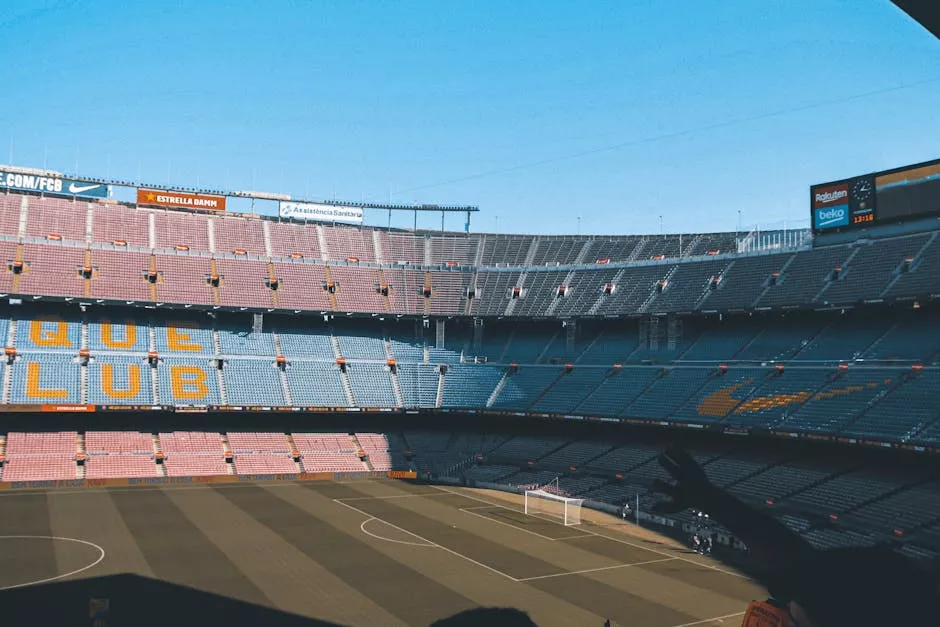
The longstanding rivalry between Rangers and Celtic, two of Scotland's most storied football clubs, reached a boiling point during the Scottish Cup quarterfinal in Glasgow, erupting into chaos as fans clashed on the pitch. What should have been a celebration of sporting prowess turned into a scene of violence and disorder, prompting the Scottish Football Association (SFA) to launch an immediate investigation into the events that transpired. This incident is the latest chapter in a fierce rivalry that extends far beyond the football field, with roots deeply embedded in the region's sociopolitical landscape.
A Storied Rivalry
The Rangers versus Celtic rivalry, commonly referred to as the 'Old Firm' derby, is one of the most intense in world football. It is more than just a clash for points or progression in tournaments; it embodies a century-old conflict marked by historical, cultural, and religious divides. These two clubs have been proxies for broader identity politics in Scotland, representing sectarian divides—a Protestant Rangers and a Catholic Celtic—with each match serving as a container for these deep-seated tensions.
The Incident on the Pitch
During the recent quarterfinal match, tensions among fans ran high. As the final whistle blew, marking a Celtic victory, emotions boiled over. Fans spilled onto the pitch, and what started as jubilant celebrations quickly turned into aggressive encounters. As rival fan groups faced off, the situation devolved into physical confrontations, necessitating intervention from security and police forces present at the stadium. This incident not only disrupted the sporting event but also posed serious safety concerns for the players, officials, and other attendees.
Response and Investigation
In response, the SFA has vowed to get to the bottom of how the disruption escalated to such levels despite the presence of security measures. A spokesperson for the SFA noted that the investigation would analyze security footage, interview witnesses, and review the protocols that were in place. Authorities have expressed their commitment to identifying the individuals involved to ensure accountability and are considering stricter measures for future matches to prevent similar situations.
Broader Geopolitical Implications
While this incident might appear as an isolated disruption within a sporting context, it has broader implications that resonate throughout Europe, particularly amidst the backdrop of heightened political tensions in the region. Sport often mirrors societal issues, and the fiercely contested matches between Rangers and Celtic can expose fractures within the community. Scotland, grappling with its identity in post-Brexit Britain and ongoing discussions around independence, sees these games as a continuation of a broader narrative of cultural expression and identity politics.
The unrest is a stark reminder for policymakers and community leaders of the underlying tensions that still prevail and the impact these sporting events can have on public order. With Scotland's international profile rising, especially regarding its independence discourse, managing such events diplomatically becomes ever more critical.
Regional Perspectives
The ripple effects of such disturbances extend beyond Glasgow, influencing both national sentiment and international perceptions of Scotland. Europe has seen similar instances where sport has been a flashpoint for cultural and political tensions, notably in countries like Spain with its own regional challenges. Scotland's issues with fan violence add another layer to the challenges facing European football authorities, who are striving to maintain the sport's integrity while addressing social problems reflected in these events.
Why It Matters
Why does this incident matter on a global scale? The disruption during the Rangers vs Celtic match serves as a microcosm of broader societal issues. The cultural and religious undertones of this historic rivalry reflect wider identity debates rippling through Europe. In an era where nationalism and identity politics rise, particularly post-Brexit, such incidents underscore the necessity for dialogue and reconciliation within and across communities. Moreover, as sports are universal and often a means to promote unity, disturbances like these highlight the duality of sport as both a unifying force and a mirror of division.
Geopolitically, it taps into the European discourse on identity and integration, echoing the discussions around EU unity and the challenges of regional autonomy within larger political entities. Observers should watch how local governance, Scottish political statements, and UEFA respond to these events, as their approaches may set precedents for handling similar situations across the continent.