Barcelona Triumphs in El Clasico to Secure 29th La Liga Title
With a 2-0 win against Real Madrid, Barcelona celebrates their 29th La Liga title, asserting dominance and marking consecutive victories.
Defense & Security Editor
Barcelona's Decisive Victory
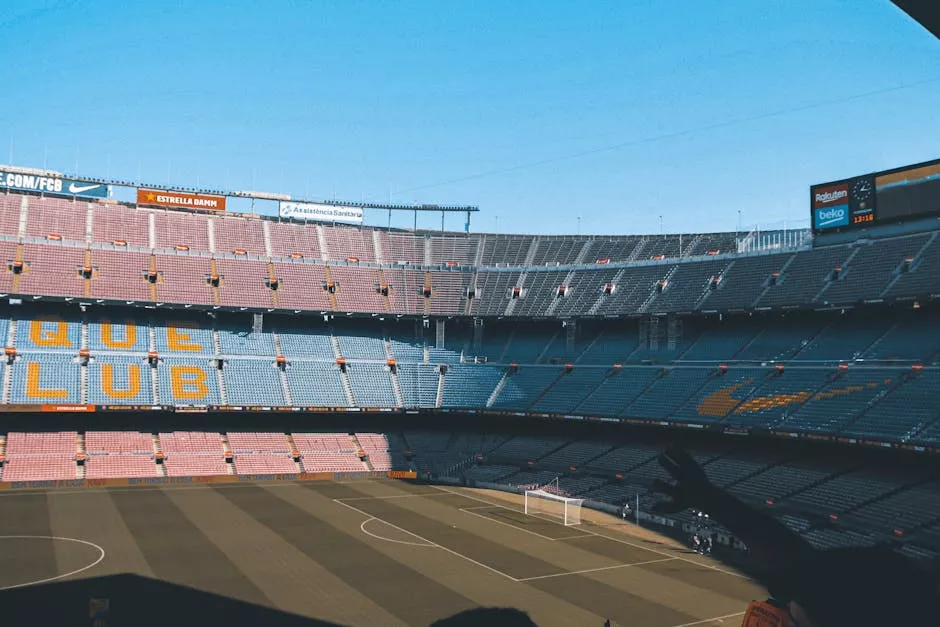
In a thrilling showdown at Camp Nou, Barcelona secured their 29th La Liga title with a commanding 2-0 win over their eternal rivals, Real Madrid. The victory was marked by first-half goals from Marcus Rashford and Ferran Torres, solidifying their dominance in Spanish football. Under the expert guidance of manager Hansi Flick, Barcelona clinched back-to-back league crowns, leaving their arch-nemesis Real Madrid facing another trophyless season.
Key Moments of the Match
The match kicked off with an electric atmosphere, and Barcelona wasted no time in taking control. Marcus Rashford opened the scoring with a sublime finish, capitalizing on Madrid's defensive lapse. Soon after, Ferran Torres doubled the lead, slotting home a well-crafted team effort. Real Madrid struggled to mount a comeback, overwhelmed by Barcelona's relentless press and fluid gameplay.
Historical Context
This victory adds to Barcelona's storied history, further cementing their status as one of Spain's football giants. The club's rich heritage in La Liga is a testament to its consistent excellence and strategic management. Barcelona and Real Madrid's rivalry dates back over a century, with each match serving as more than just a game, but a display of regional pride and historical competition.
Regional Impact and Perspectives
The triumph has broader implications beyond Spanish borders, influencing the dynamics of football fandom across Europe and the world. La Liga matches are watched globally, and the outcomes often reflect not just on the clubs but on national sentiments. In Spain, football is deeply intertwined with regional identity, with Barcelona representing Catalan aspirations and Real Madrid symbolizing a more centralized Spanish identity.
Geopolitical Implications
While the primary narrative is about sports, the implications of Barcelona's win extend into the geopolitical sphere. In the context of Catalonia's ongoing quest for greater autonomy, Barcelona's victories on the field are viewed as symbolic wins for the region. The club's success often fuels discussions about Catalonian pride and identity, reinforcing a sense of distinction from the rest of Spain.
Moreover, the financial health of football clubs like Barcelona and Real Madrid can have ripple effects on local economies, impacting employment, tourism, and international investment. These clubs' performance often affects their attractiveness to global sponsors and partnerships, further influencing economic landscapes.
The Road Ahead
With the title secured, Barcelona aims to build on their success, eyeing European competitions and further domestic triumphs. For Real Madrid, the focus will be on rebuilding and strategizing for future campaigns, avoiding a hat-trick of trophyless seasons. Both teams will inevitably invest in bolstering their squads, setting the stage for more thrilling encounters in the seasons to come.
Why It Matters
Why It Matters: Global Football and Cultural Influences
The outcome of El Clasico is significant not only for its sporting triumph but also for its cultural and economic impact globally. Football remains a powerful tool for diplomacy and cultural exchange, bridging divides and creating common narratives across borders. In this context, Barcelona's victory bolsters its international brand, fostering cultural influences and attracting global talent.
Observers should watch for how Barcelona capitalizes on this win to leverage global partnerships and expand its influence in international football precincts. The ongoing rivalry with Real Madrid will likely continue to captivate global audiences, serving as a barometer for the larger socio-political dialogues within Spain and across Europe.