US Cuts Diplomatic Staff as Iran Widens Regional Attacks
The U.S. evacuates nonessential embassy staff in response to Iran's escalating retaliatory attacks following recent military actions.
Defense & Security Editor
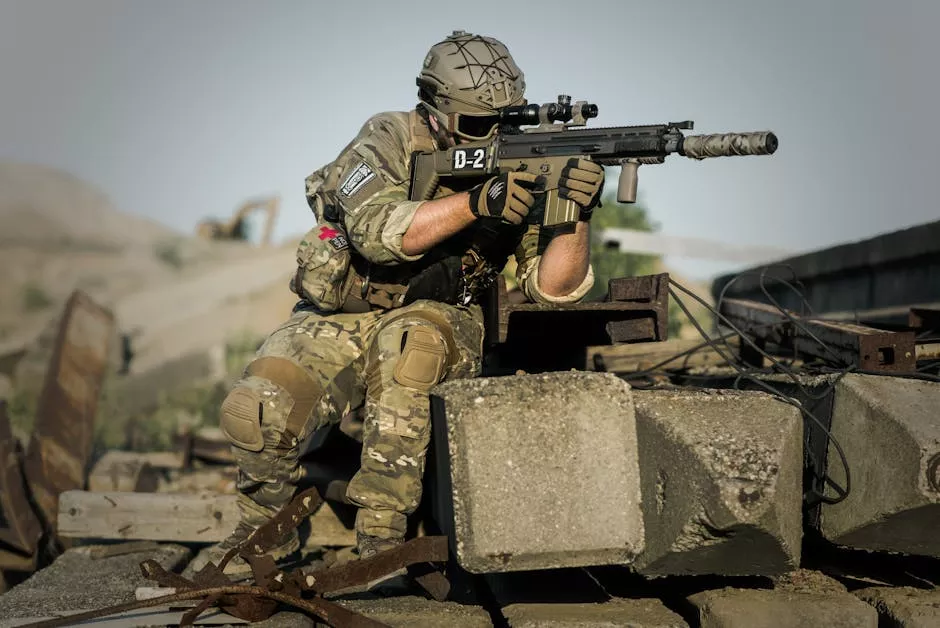
The escalating tensions in the Middle East have prompted the United States to withdraw nonessential diplomatic staff and their families from several embassies following a series of retaliatory attacks by Iran. This move comes in the wake of military strikes orchestrated by both the U.S. and Israel, targeting Iranian interests and allies in the region.
Background of Escalating Tensions
Over the past few weeks, the conflict in the Middle East has intensified significantly. Iran's aggressive military responses are seen as direct retaliation against American and Israeli operations aimed at curbing its influence in the region. The U.S. military strikes were perceived as a deterrent against Iran-backed militia groups that have increasingly asserted their presence near U.S. and allied assets.
Countries Affected by the U.S. Decision
The State Department's decision affects several countries in the Middle East known for being hotbeds of regional tension and conflict activity. Although the exact countries from where staff are being withdrawn have not been publicly detailed, analysts suggest regions with significant militia activity such as Iraq, Yemen, and parts of Syria and Lebanon.
These withdrawals have escalated concerns about the security of remaining diplomatic missions and local allies. Analysts note that such moves are standard protocol when the risk to American personnel is perceived to be heightened significantly.
Geopolitical Implications
This development is more than just a tactical reaction; it underscores a broader geopolitical struggle involving a multitude of players with varied interests. Iran has projected power across the region through proxies and direct interventions, becoming a thorn in the strategic plans of both the U.S. and its allies. From Lebanon to Yemen, Iranian-backed entities have influenced local conflicts, thereby altering regional balances of power.
Washington's strategy has largely revolved around sanctioning Iran and its associates, alongside targeted military actions designed to deter aggressive behaviors. However, escalating tensions might pivot these efforts towards more substantial diplomatic engagement, or alternatively, further military involvement.
Regional Perspectives
Each affected country faces its unique challenges in this complex milieu. Iraq, for instance, is plagued by political instability and is a fertile ground for militia influence, complicating the U.S.'s diplomatic maneuvers. Yemen, mired in a prolonged civil war with significant humanitarian ramifications, serves as a battleground for Iranian and Saudi interests, where the U.S. strategy has often oscillated between active involvement and cautious disengagement.
Syria and Lebanon, both with a significant Hezbollah presence, present their own sets of complexities. Syria remains a regional flashpoint with various international powers entangled in its reconstruction and political future. Meanwhile, Lebanon grapples with severe economic crises, with Hezbollah's influence central to its political landscape.
Conclusion
The withdrawal of U.S. diplomatic staff not only reflects immediate security concerns but also signals the need for potentially recalibrated regional strategies. As the U.S., Iran, and their respective allies navigate these tensions, the ramifications for global politics, regional stability, and bilateral relationships will continue to evolve.
Why It Matters
The situation involving Iran's retaliatory activities and the subsequent U.S. response holds significant geopolitical importance. With the withdrawal of diplomatic staff, there's a clear message about the volatile and unpredictable nature of current Middle Eastern politics. This development is likely to impact U.S. foreign policy priorities, especially concerning its stance on Iran and broader relationships with allies in the region. The possibility of increased conflict or diplomatic initiatives to de-escalate tensions remains high. Observers should watch for changes in military postures, negotiation efforts, and any realignment among Middle Eastern players that could alter long-standing geopolitical balances.