US Military Preparedness Hints at Possible Ground Operations in Iran
US military movements in the Middle East suggest the Trump administration may be considering a ground operation in Iran.
Senior Geopolitical Analyst
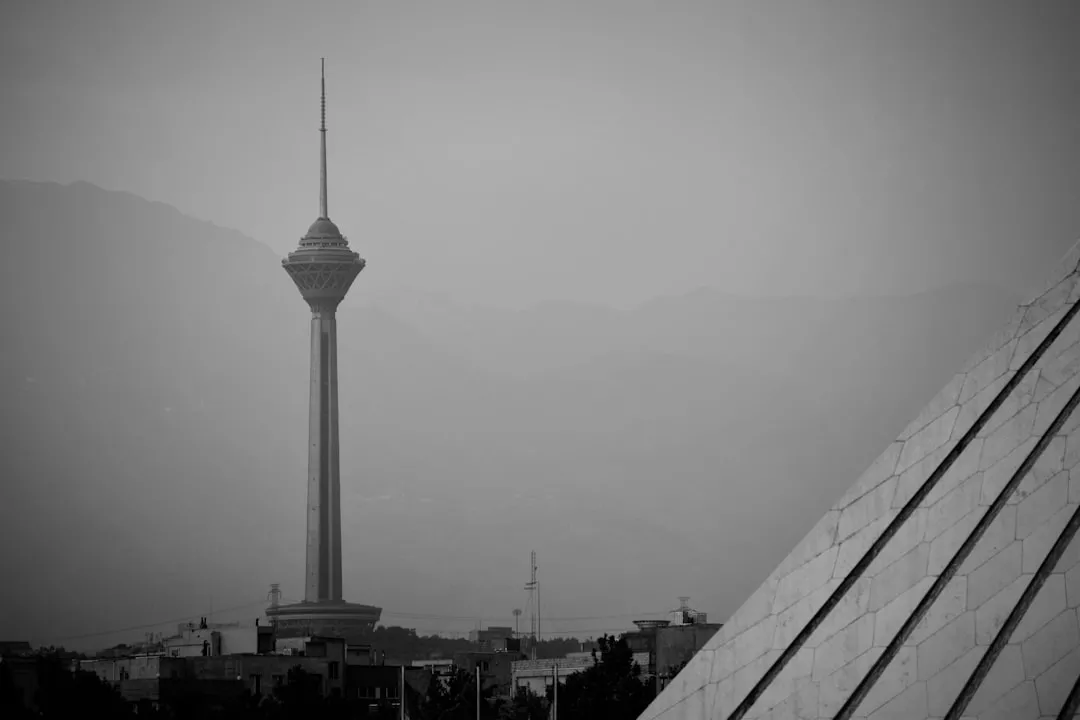
The recent deployment of military assets to the Middle East by the United States is raising alarms about the possibility of a ground operation in Iran. This development, reported by Al Jazeera, comes amid heightened tensions between the U.S. and Iran and suggests that the Trump administration might be contemplating a significant escalation in the region.
Background of U.S.-Iran Tensions
The relationship between the United States and Iran has been fraught with tension for decades, stemming back to the Iranian Revolution in 1979 and the subsequent hostage crisis. More recently, the U.S.'s withdrawal from the Joint Comprehensive Plan of Action (JCPOA) in 2018 and the re-imposition of sanctions have exacerbated hostilities. Iran's ballistic missile program and its influence in regional conflicts have further deteriorated relations.
Military Movements and Their Implications
The movement of military assets such as aircraft, troops, and naval forces to the Middle East region indicates preparation for a potential conflict. These assets are crucial for providing air cover, logistics, and intelligence support for ground operations. The presence of U.S. military in proximity to Iran serves not only as a deterrent but also as a preparatory measure should diplomatic efforts fail.
Such military readiness can act as a pressure mechanism, aiming to coerce Iran into negotiations over its nuclear program and regional policies. However, it also raises the stakes and the potential for misunderstandings or miscalculations that could lead to open conflict.
Regional Reactions and Implications
Countries in the Middle East are closely watching these developments. Allies such as Israel and Saudi Arabia, who view Iran as a significant threat, may support U.S. military actions. Meanwhile, other regional players and European allies that favor diplomatic solutions express concerns over the potential for war.
Iran, on its part, has vowed to resist any form of aggression and has allies in Iraq, Lebanon, and Syria that could further complicate a military campaign. The geopolitical landscape in the Middle East is already volatile with the ongoing conflicts in Syria and Yemen, and an engagement with Iran could have disastrous consequences for regional stability.
Historical Context and Previous Operations
The U.S. engagement in the Middle East has a long history, with military operations in Iraq and Afghanistan bearing heavily on current strategic decisions. Lessons from these engagements underscore the complexities of military interventions and the importance of clear objectives and exit strategies. Any operation in Iran would necessitate massive military and economic resources and could lead to unforeseeable regional dynamics.
Geopolitical Implications
The global ramifications of a potential U.S. ground operation in Iran are significant. Energy markets could face disruption, given the strategic importance of the Strait of Hormuz, through which a significant portion of the world's oil passes. Global diplomatic relations could experience shifts, especially concerning U.S.-Russia and U.S.-China relations, both of which have vested interests in Iran.
Why It Matters
Why It Matters: The movement of U.S. military assets to the Middle East points to a possible preparation for ground operations in Iran, a move that could have far-reaching geopolitical consequences. If undertaken, it may lead to significant destabilization in the Middle East, affecting global oil markets and possibly dragging other nations into the conflict. The stakes are high, given Iran's influence in the region and the complex alliances in play. Observers should watch for further military deployments or diplomatic engagements that might indicate the U.S.'s next move, as these could have profound implications for global stability and international relations.