U.S. Military Strike in Ecuador: Misfire on a Dairy Farm?
A U.S. military operation in Ecuador intended for a drug camp inadvertently struck a dairy farm, igniting questions about intelligence precision.
International Relations Correspondent
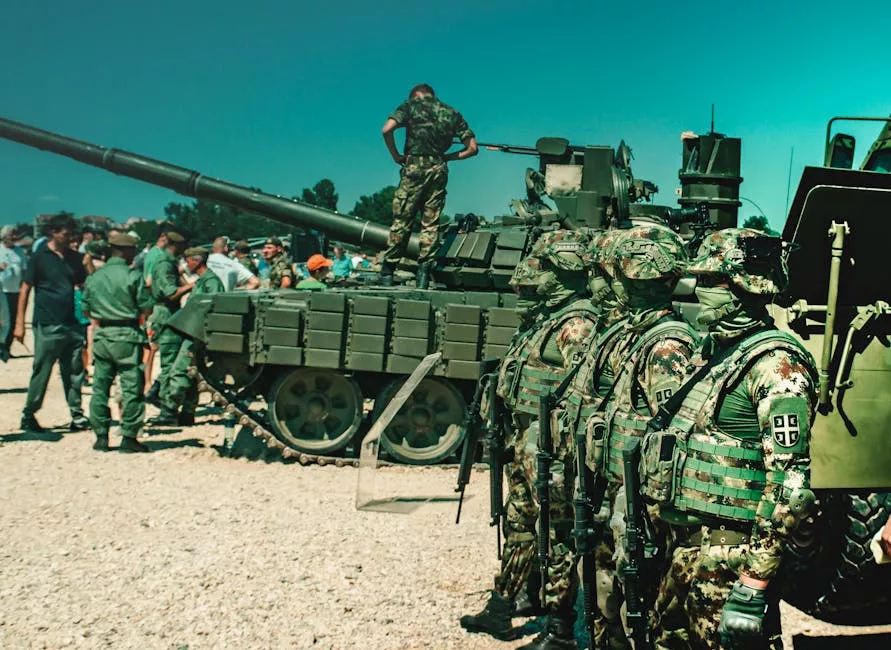
In a recent development that has stirred both local and international communities, the United States military in collaboration with Ecuadorian forces was reported to have targeted a supposed drug trafficking training camp in a rural region of Ecuador. However, what transpired raised eyebrows globally — it turned out that the targeted location was, in fact, a peaceful dairy farm.
Operation Mishap
The operation was launched based on intelligence that suggested the existence of an armed group’s training camp. This intelligence prompted a military action aligned with efforts to dismantle drug cartels in South America, a region that remains one of the world’s largest producers of narcotics. However, the discrepancy between the intelligence and the on-ground reality has led to significant controversy.
On visiting the affected village, journalists from various media outlets, including The New York Times, verified that the bombed site was indeed a dairy farm, not a training camp. The operation, initially hailed as a bold stance against narcotics networks, now appears to be a grave error, putting the credibility of the involved forces under scrutiny.
Community Impact and Reactions
The local community has been left in a state of disbelief and anger. Farmers who relied on this farm for their livelihood are now facing an uncertain future, grappling with the immediate economic impact and broader repercussions. Community leaders have called for accountability and reparations, emphasizing the importance of precise intelligence in conducting such operations.
Meanwhile, U.S. and Ecuadorian officials have launched investigations to understand the intelligence failure and prevent future mishaps. The U.S. Embassy in Ecuador has issued a statement expressing regret over the unintended consequences and reaffirmed its commitment to aiding the community's recovery.
Historical and Regional Context
This event is set against a backdrop of decades-long U.S. involvement in South America's drug wars. The tactic of conducting preemptive strikes based on intelligence has been a double-edged sword, achieving notable successes while also leading to occasional misfires. South America, particularly Colombia and Peru, has witnessed heavy U.S. military involvement in counter-drug operations.
Ecuador, a country that borders major drug-producing nations, has become an integral ally in the war against drugs. The bilateral objectives have been clear: to curtail drug trafficking routes and dismantle the infrastructure supporting these illegal operations. However, such incidents can strain partnerships and raise questions about operational transparency and efficacy.
Geopolitical Implications
The incident carries significant implications for U.S.-Ecuador relations as well as broader regional cooperation in anti-narcotics efforts. It underscores the complexities involved in executing cross-border military actions based on intelligence sharing. Additionally, it invites debate over the broader strategic approaches employed by the U.S. in combating the drug menace in South America.
There is a tangible risk that such missteps could erode trust and affect ongoing collaborations not only with Ecuador but potentially with other Latin American nations. Trust and cooperation are the bedrock of such international operations, and any damage to these could undermine progress made in the fight against drug cartels.
Why It Matters
Why It Matters
This incident is emblematic of the broader challenges faced in international military operations where intelligence forms the basis of action. It underscores the critical need for precise and reliable intelligence before launching operations that can have unintended and far-reaching humanitarian impacts. The event also risks straining diplomatic ties between the U.S. and its partners if perceived as recklessness or disregard for local sovereignty. Moving forward, nations involved in such operations will have to bolster their intelligence-sharing mechanisms and reassess operational strategies to prevent similar occurrences. This includes enhancing ground-level intelligence and ensuring proper verification pipelines to avoid adverse outcomes. Such reforms are indispensable not only for maintaining international partnerships but also for the ethical conduct of military strategies in the global effort against drug trafficking.