The Mysterious Death of WW2 Spy Jacques Vaillant de Guélis
Discover the enigma of Jacques Vaillant de Guélis, a WWII French spy from Cardiff, whose death remains a mystery.
Middle East & Diplomacy Specialist
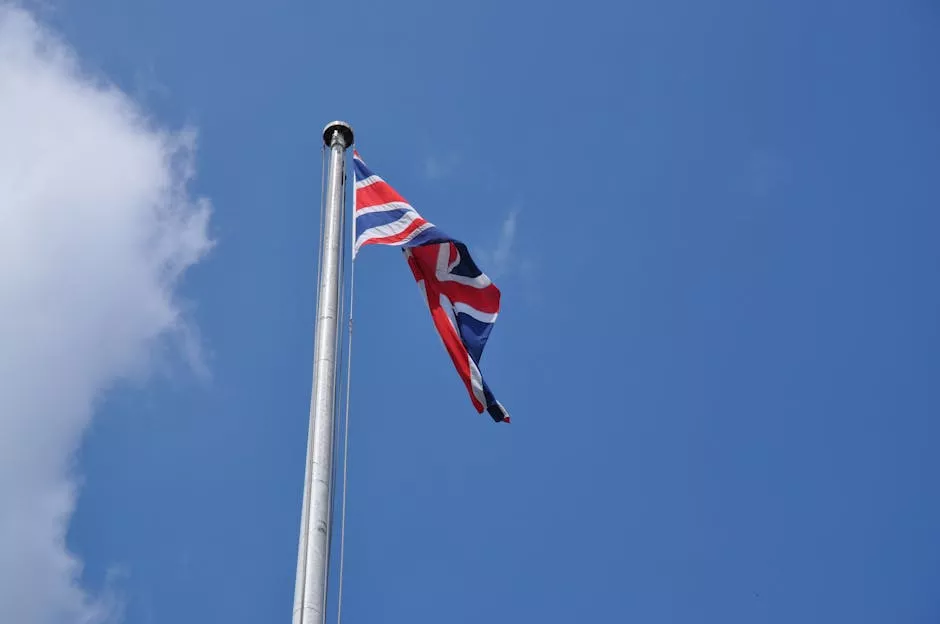
Jacques Vaillant de Guélis, a name etched in the intricate tapestry of World War II espionage, led a life cloaked in shadows and secrecy. Born in the Welsh city of Cardiff and serving as a French operative during the harrowing years of World War II, his mysterious death shortly after the end of the conflict remains a puzzle that intrigues historians and espionage enthusiasts alike.
Early Life and Entry into Espionage
Jacques Vaillant de Guélis was born in 1900, at a time when Europe was on the brink of monumental change. Growing up in Cardiff, he was exposed to a diverse cultural milieu that later influenced his decisive entry into the complex world of espionage. With a bilingual advantage and an innate aptitude for intelligence work, he joined the Special Operations Executive (SOE), an organization tasked with conducting espionage and sabotage behind enemy lines.
Espionage During World War II
De Guélis soon became a pivotal player in clandestine operations across occupied France. The SOE's mission was perilous, focusing on collecting intelligence and facilitating communication with the French Resistance. As one of its agents, Jacques Vaillant de Guélis orchestrated numerous successful operations that disrupted Nazi efforts, a testament to his strategic acumen and audacious spirit.
The risks were immense. Captured agents faced torture or execution, yet de Guélis's resolve never wavered. His work alongside the French resistance was instrumental in the wider Allied efforts to undermine German control in France, highlighting his indelible contribution to the war effort.
The Enigma of His Death
As the echoes of war subsided in 1945, Jacques's life was cut short under mysterious circumstances. His death in a car crash, occurring shortly after Europe's liberation, has triggered numerous theories. Was it an accident, a targeted assassination, or perhaps a consequence of unresolved wartime loyalties?
French and British archives remain tantalizingly silent on crucial details, fueling conspiracies and further confounding historians. Some suggest connections with high-ranking Nazi officials who may have sought revenge. Others speculate on internal SOE politics, which were notoriously complex and fraught with suspicion.
The Geopolitical Implications of Wartime Espionage
The mysterious death of Jacques Vaillant de Guélis underscores the volatile nature of wartime espionage. Spies like de Guélis operated in a fragile geopolitical landscape, where alliances shifted, and national interests often overshadowed individual safety. Their work had direct implications on military strategies and, by extension, international relations during the war and the nascent Cold War era that followed.
The circumstances surrounding his demise continue to be a subject of intrigue, not only because of the personal sacrifice it underscores but also due to the wider implications it poses on the covert operations conducted during World War II. These operations have paved the way for modern espionage, influencing international intelligence protocols and covert operations even today.
Legacy
The legacy of Jacques Vaillant de Guélis serves as a poignant reminder of the countless unnamed heroes whose lives were enmeshed with the fate of nations. As historians and intelligence agencies piece together fragments of the past, Jacques's story remains a symbol of the bravery, complexity, and enigma inherent in the world of espionage.
The events surrounding his life and death provide invaluable insights into the operational profanities of wartime intelligence and the often-overlooked narratives of those who operate in the shadows. Understanding these nuances enhances our comprehension of global geopolitics and the ever-present specter of espionage.
Why It Matters
Why does the story of Jacques Vaillant de Guélis matter in today’s geopolitical landscape? Firstly, it highlights the critical role espionage played in shaping key military and political outcomes during World War II, a lesson that remains pertinent as nations navigate modern security challenges. The mysterious components of his death epitomize the enduring enigma of espionage, reminding us of the stealthy maneuvers that often determine geopolitical strategies.
The intrigue surrounding wartime espionage continues to inform present-day intelligence operations. It illustrates the fine line between heroism and danger, national security and risk, ultimately flagging the importance of transparency and investigation into historical truths. As countries eternally engage in a game of intelligence-gathering and counter-intelligence, Jacques's story underscores the cost and ambiguity inherent in such high-stakes fields.