US Military Enhancements Near Iran Stir Regional Tensions
The increased US military presence near Iran raises fears of conflict, impacting Middle Eastern geopolitical dynamics.
International Relations Correspondent
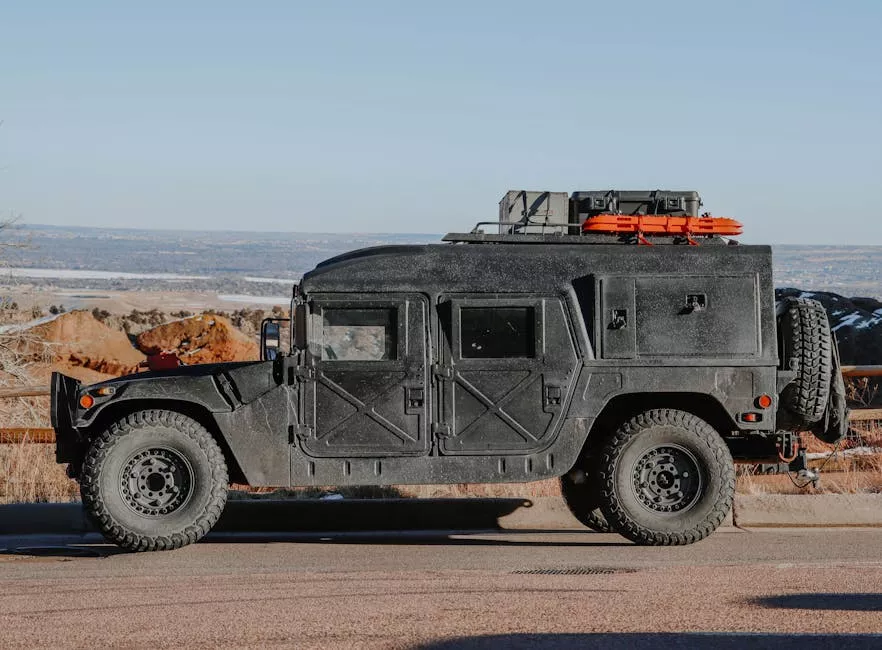
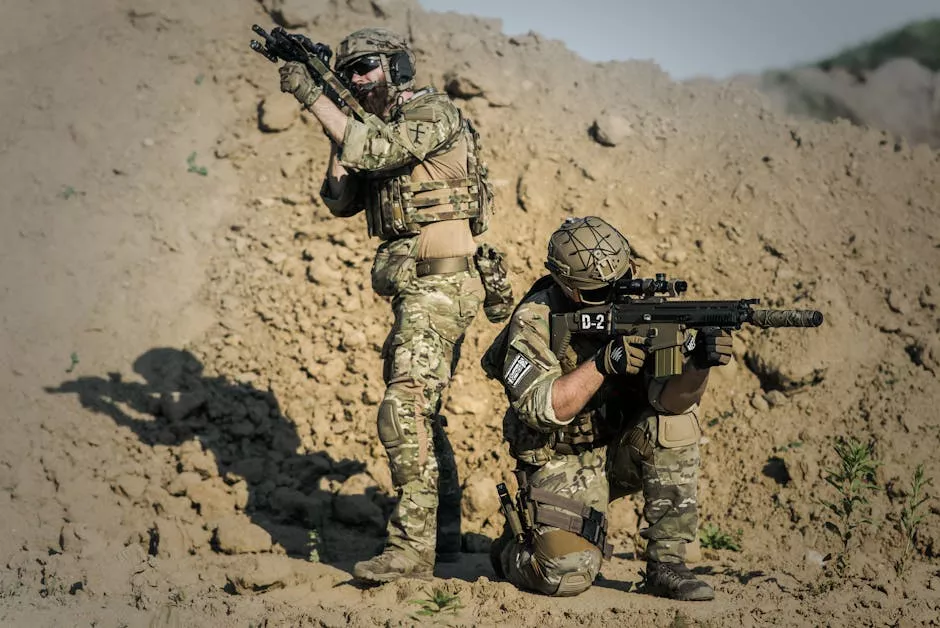
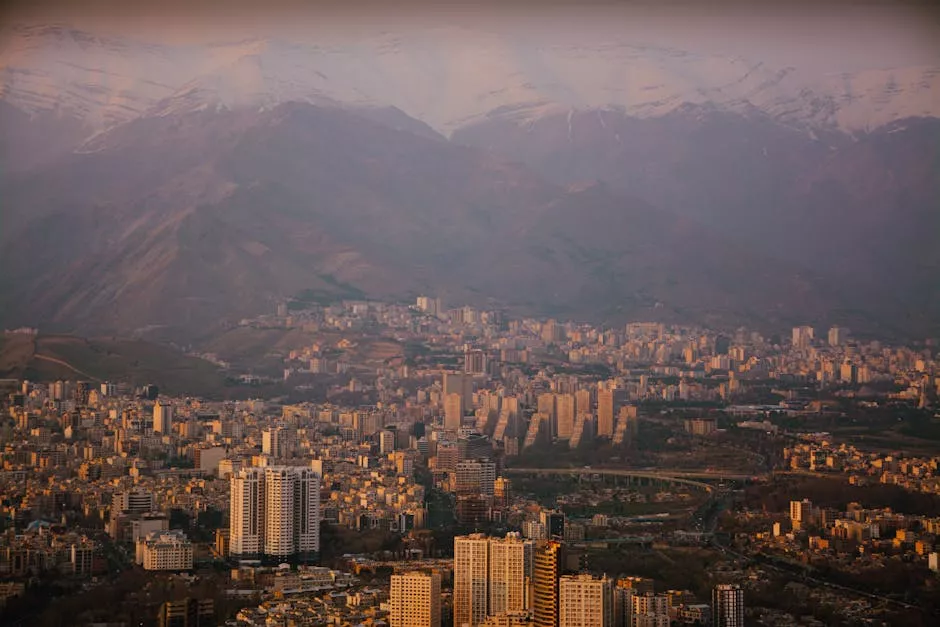
The United States has recently bolstered its military presence in the vicinity of Iran, positioning advanced weaponry and reinforcements in a strategic move that underscores escalating tensions in the Middle East. The increase in military assets near Iranian borders has prompted widespread apprehensions about potential regional conflict.
Historical Context and U.S. Strategy
Historically, the U.S. has maintained a significant military foothold in the Middle East, often as a counterbalance to perceived threats from Iran. The roots of these tensions date back to the 1979 Iranian Revolution and the subsequent hostage crisis. Over the decades, U.S. foreign policy in the region has pivoted on both deterrence and engagement, often swinging between hardline stances and diplomatic overtures.
In recent years, particularly following the U.S. withdrawal from the Joint Comprehensive Plan of Action (JCPOA) in 2018, relations between the two nations have deteriorated, leading to a series of confrontational incidents, including maritime skirmishes and cyberattacks. The current military build-up echoes past deployments, signifying an attempt to project power and deter potential Iranian aggression.
Regional Perspectives and Reactions
The response to the U.S. military augmentation has been mixed across the Middle East. Key U.S. allies, including Israel and Saudi Arabia, have expressed support, viewing it as a necessary step in curbing Iranian influence and deterring its nuclear ambitions. Both nations have historically advocated for a robust U.S. presence in the region to counter Iran’s activities.
Conversely, nations like Iraq and Lebanon, where both U.S. and Iranian influences are keenly felt, warn against further militarization which could destabilize already volatile environments. Iraqi leaders, in particular, have expressed concerns that increased tensions between the U.S. and Iran could spill over into their country, igniting sectarian violence and emboldening militant factions.
Geopolitical Implications
The repercussions of the enhanced U.S. military presence are both immediate and long-term. In the short term, it risks escalating an already volatile situation. Any miscalculation or unintended confrontation could trigger a widescale conflict, disrupting global oil supplies and impacting international markets.
In the long term, the move can influence the geopolitical landscape by strengthening alliances while intensifying rivalries. The U.S. military’s positioning can be perceived as a show of force meant to reassure allies while deterring adversaries, potentially setting the stage for future diplomatic negotiations or, conversely, an arms race in the region.
Conclusion
As tensions mount, the world watches closely. The international community, including the United Nations, European Union, and various peace advocates, calls for de-escalation and urges dialogue as the primary path forward to avoid catastrophic outcomes.