US Military Buildup Near Iran Escalates Regional Tensions
A second US aircraft carrier heads toward the Middle East, escalating tensions amid a strained Washington-Tehran relationship.
Senior Geopolitical Analyst
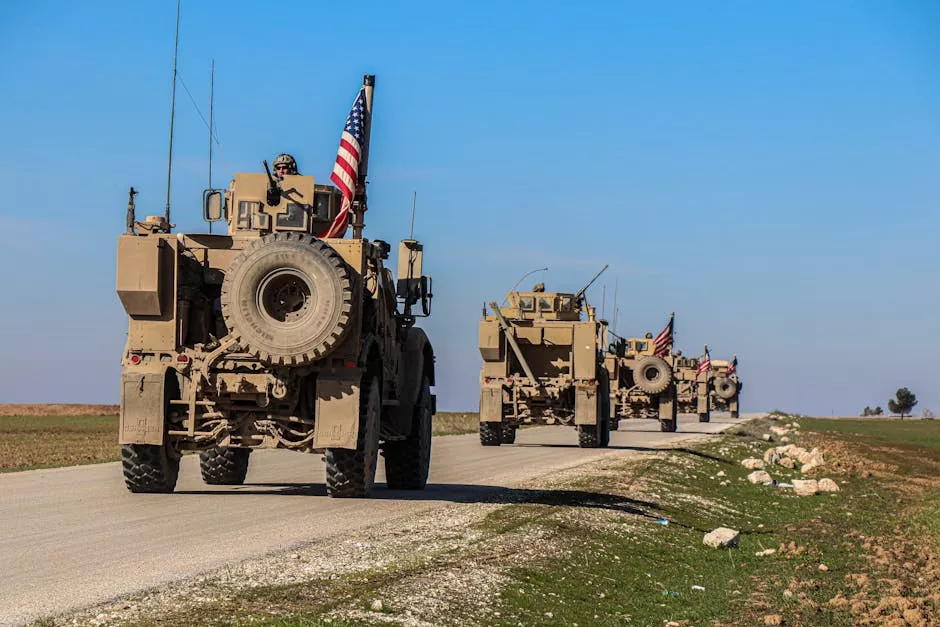
The United States has intensified its military presence in the Middle East with the deployment of a second aircraft carrier, underscoring escalating tensions with Iran. This strategic move aims to pressure Tehran amid ongoing concerns over its nuclear program and regional influence. U.S. officials confirm the deployment is a precautionary step aimed at deterring potential threats and securing key maritime routes.
The Context Behind Rising Tensions
The deployment of American warships in the Persian Gulf is not unprecedented, but the current buildup is notable against the backdrop of deteriorating U.S.-Iran relations. Following the U.S.'s withdrawal from the Iran nuclear deal in 2018, suspicions have risen regarding Iran's nuclear ambitions. Reports indicate Tehran continues to enrich uranium, raising alarms within Washington and its allies.
Historically, the Strait of Hormuz, through which a significant portion of the world's oil supply is transported, has been a flashpoint in U.S.-Iran tensions. Control over this strategic waterway holds immense geopolitical importance, where freedom of navigation is paramount to global energy security.
Regional Perspectives
Within the Middle East, this military buildup might be seen as a dual-edged sword. On one hand, regional allies such as Saudi Arabia and the UAE may view the U.S.’s actions as a reassuring commitment to countering Iranian influence. On the other hand, it risks destabilizing the already fragile security environment.
Iran, predictably, perceives the U.S. military presence as a provocative act reflective of hostile intentions. The Iranian government often voices concerns of a looming threat to its sovereignty and regional autonomy. In response, Tehran could bolster its own military posturing, further escalating tensions.
Geopolitical Implications
Globally, the United States' actions send a powerful message regarding its strategic interests in the Middle East. By enhancing its military readiness, Washington signals its resolve to counteract perceived threats not only from Iran, but also in the broader context of challenging global rivals. Moreover, this move aims to strengthen alliances with countries relying on U.S. support to maintain security balances in the volatile region.
However, this heightened military presence could have unintended consequences, potentially leading to confrontations that might trigger wider conflict. In a region characterized by complex alliances and historical rivalries, a miscalculation could have cascading effects beyond the Middle East.
Conclusion
As the U.S. increases its military footprint near Iran, global stakeholders must weigh the potential benefits against the risks of exacerbating instability. For policymakers, the challenge lies in navigating this delicate balance to prevent escalation while maintaining pressure on Iran to adhere to international agreements. As tensions simmer, the world watches closely, aware that the stakes extend far beyond regional boundaries.
Why It Matters
The heightened U.S. military deployment near Iran is a crucial development in international relations, reflecting broader geopolitical dynamics. This deployment is significant as it underscores Washington's commitment to maintaining its influence in the Middle East despite shifting global power distributions. Such military maneuvers are not just a show of strength but also an essential strategy to reassure regional allies of American support against potential threats from Iran.
However, the implications of this strategy are profound. Increased military presence could increase instability in an already volatile area, with potential ripple effects impacting global oil markets and international shipping lanes. Furthermore, these actions may deepen the divide in U.S.-Iran relations, complicating future diplomatic efforts aimed at reviving talks or agreements such as the nuclear deal.
A key takeaway for readers is to monitor the diplomatic dialogues, if any, that follow this buildup, as well as Iran's responses and strategic adjustments. Understanding these developments will be critical in assessing future stability in the Middle East and its global repercussions.