US Military Buildup in Mideast: Tensions Rise Amid Iran Talks
As US-Iran nuclear talks continue, the US bolsters its military in the Middle East, highlighting escalating tensions.
Defense & Security Editor
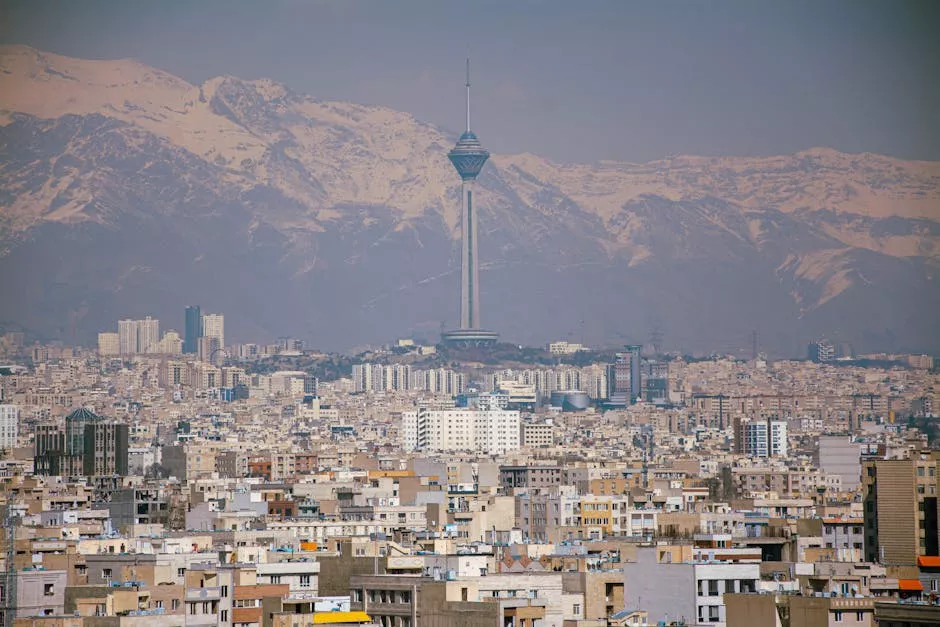
The United States has significantly increased its military presence in the Middle East amidst ongoing negotiations with Iran over its nuclear program. This development marks a critical point in US-Iran relations, as President Donald Trump suggested that limited strikes against Iran remain a possibility. At the same time, Iranian officials indicate progress in talks, expecting a potential agreement in the coming days.
Background to the Tensions
The relationship between the US and Iran has long been fraught, marked by periods of intense hostility and cautious diplomacy. The 2015 Joint Comprehensive Plan of Action (JCPOA), commonly known as the Iran nuclear deal, marked a rare period of cooperation, offering Iran sanction relief in exchange for curbs on its nuclear program. However, tensions reignited when President Trump withdrew the US from the JCPOA in 2018, citing Iranian non-compliance and regional aggression.
Current Developments
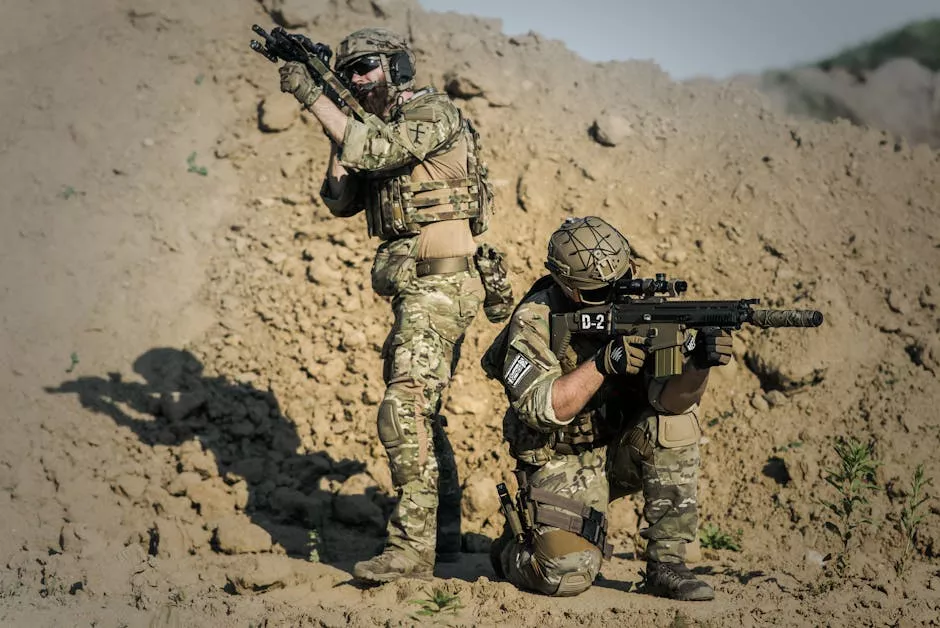
The deployment of the USS Gerald R. Ford carrier strike group into the Mediterranean Sea signifies a strategic move by the US to demonstrate military readiness. The show of force aims to bolster US diplomatic leverage, reassuring regional allies of American commitment to their security amidst nuclear negotiations.
For Iran, this military buildup presents a complex challenge. Internally, Iranian leaders maintain a defiant stance, underscoring national sovereignty against perceived foreign threats. Externally, they must navigate international diplomatic waters, seeking relief from crippling economic sanctions while safeguarding national pride.
Regional Perspectives
Neighboring countries in the Middle East are keenly observing these developments, with implications for their own security and political dynamics. Israel, a staunch opponent of Iran's nuclear ambitions, may view the US military maneuvers as an implicit assurance. Conversely, Gulf countries maintain a delicate balance of countering Iranian influence while managing domestic and economic stability.
European nations, having played a mediating role in the Iran nuclear negotiations, express cautious optimism for a diplomatic breakthrough while advocating for deterrence to prevent an arms race in the volatile region.
Historical Context
The historical context of US-Iran relations is pivotal to understanding the current situation. The 1979 Iranian Revolution marked the beginning of a protracted period of US-Iranian antagonism, punctuated by events such as the Hostage Crisis and Iran-Contra affair. These events fostered a legacy of mistrust, complicating contemporary negotiations.
Geopolitical Implications
The US military buildup poses significant geopolitical implications. It highlights the complexities of balance-of-power politics in the region, underlining the US commitment to maintaining its influence while curbing Iranian ambitions. Furthermore, the sustained presence of US forces serves as a deterrent against potential Iranian aggression, impacting regional stability.
Moreover, the outcome of the US-Iran talks could redefine regional alliances, affecting global oil markets and international diplomatic engagements. Any military escalation poses risks not only to regional security but also to global economic stability, with potential disruptions impacting energy supplies worldwide.
Why It Matters
Why It Matters
The US military buildup in the Middle East amidst nuclear talks with Iran encapsulates the delicate balance of diplomacy and deterrence in international relations. For global stakeholders, this situation underscores the inherent volatility of Middle Eastern geopolitics. A breakthrough in talks could lead to significant de-escalation, alleviating both regional and global tensions.
However, the military posturing also serves as a stark reminder of the potential for rapid escalation into conflict, which could have widespread repercussions. Global observers should closely monitor the outcome of these negotiations, as they represent a potential turning point in US-Iran relations and the broader quest for regional stability.