Venezuelan Amnesty Bill Stirs Controversy Amid Global Tensions
Venezuela's amnesty bill could release political prisoners, yet sparks international debate over its fairness and geopolitical motives.
Middle East & Diplomacy Specialist
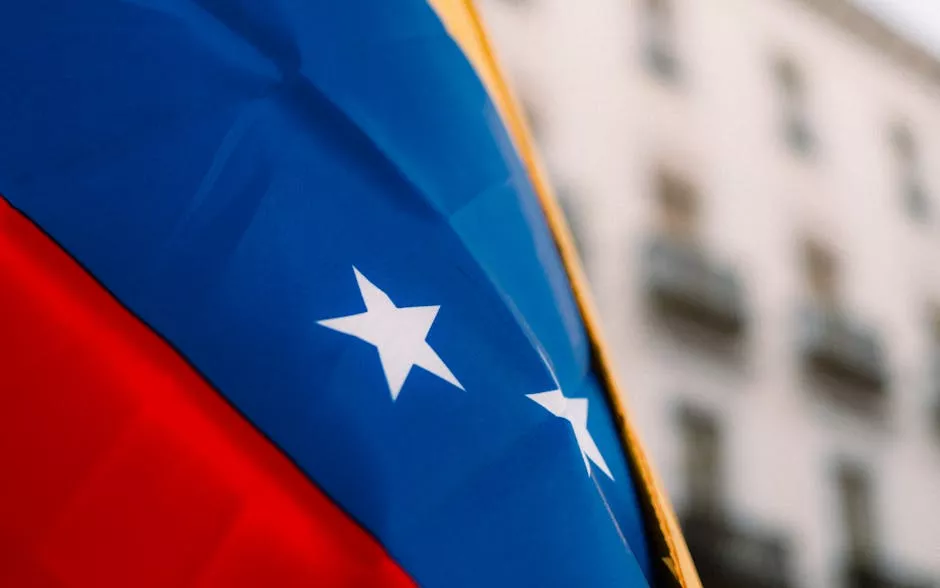
Venezuela has passed a contentious amnesty bill aimed at freeing hundreds of political prisoners—a move that has been hailed as a significant step toward national reconciliation but sharply criticized by some factions as an 'unjust' concession. The bill's passage is widely seen as a response to intense diplomatic pressure from the Trump administration, which had continually advocated for greater democratic reforms in Venezuela. As the debate over its implications unfolds, questions about Venezuela's future political landscape and international standing continue to resonate.
Background and Political Context
For years, Venezuela's political turmoil has been marked by economic collapse, mass protests, and severe political polarization. The government of Nicolás Maduro has faced international condemnation, especially from the United States and European Union, for alleged human rights abuses and authoritarian practices, including the imprisonment of political dissidents. The new amnesty bill is perceived by some as an effort to placate international critics while attempting to heal deep-seated domestic divisions.
The Trump administration played a pivotal role in orchestrating this political concession. Through sanctions and diplomatic isolation, the U.S. aimed to pressure the Venezuelan government into adopting more democratic practices. The amnesty bill could potentially release high-profile political prisoners, including opposition leaders who have been imprisoned on charges of inciting violence or attempting coups.
Opposition and Criticism
Critics of the bill assert that it unfairly absolves individuals accused of political crimes without holding them accountable for their actions. Human rights organizations have expressed concern that the legislation could create a precedent for impunity, undermining efforts to seek justice for past human rights violations. Moreover, many Venezuelan citizens remain skeptical of the government's intentions, viewing the bill as a strategic maneuver to diffuse political pressure rather than a genuine step toward reconciliation.
Opposition leader Juan Guaidó, who has been recognized by several countries as Venezuela's legitimate president, has called for a more comprehensive approach to national dialogue and reform. He argues that amnesty should not replace genuine accountability and efforts to rebuild democratic institutions.
Geopolitical Implications
The passage of the amnesty bill has significant geopolitical ramifications. Regionally, it could signal a shift in Venezuela's relations with its neighbors. Countries in Latin America, many of which have also experienced political unrest, are watching the developments closely. The potential stabilization of Venezuela could impact migration patterns and economic ties in the region.
Globally, the bill may alter Venezuela's strained relationships with countries that have sanctioned the Maduro government. Analysts suggest that the move could open doors to diplomatic engagement and possibly ease international sanctions, provided Venezuela demonstrates a commitment to broader democratic reforms.
However, substantial challenges remain. The international community, particularly the United States, the European Union, and key Latin American countries, will be keenly observing subsequent steps taken by Venezuela. The success of the amnesty bill as a reconciliatory measure hinges on the Venezuelan government's ability to foster inclusive dialogue that includes all political stakeholders.
Conclusion
As Venezuela attempts to navigate this political crossroad, the international community remains cautiously optimistic about prospects for peace and stability. The amnesty bill's true test will be its implementation and whether it catalyzes tangible democratic progress in a nation beleaguered by years of strife.
Why It Matters
Why It Matters
The approval of Venezuela's amnesty bill holds critical global significance as it could either pave the way for democratic renewal or cement further political divisions. As a country rich in oil but severely economically marginalized, Venezuela's political trajectory will influence regional stability and economic development in Latin America. The bill's enactment, under U.S. duress, highlights Washington's influence but also tests its diplomatic strategies in addressing authoritarian regimes. Observers should monitor Venezuela's compliance with international human rights standards and readiness for free and fair elections. Should Venezuela falter, this could prompt a reevaluation of international strategies in addressing similar regimes worldwide.