US Judge Blocks Deportation of Palestinian Activist Mahdawi
A US judge dismisses deportation proceedings against Mohsen Mahdawi, a notable Palestinian student activist at Columbia University.
Senior Geopolitical Analyst
In a significant legal victory, a US immigration judge has rejected the deportation proceedings against Mohsen Mahdawi, a Palestinian student activist from Columbia University. The case has drawn significant attention due to the political climate and policies under the administration of former President Donald Trump, which were characterized by stringent measures against immigrants and a heavy-handed approach towards protests and activism.
Background of the Case
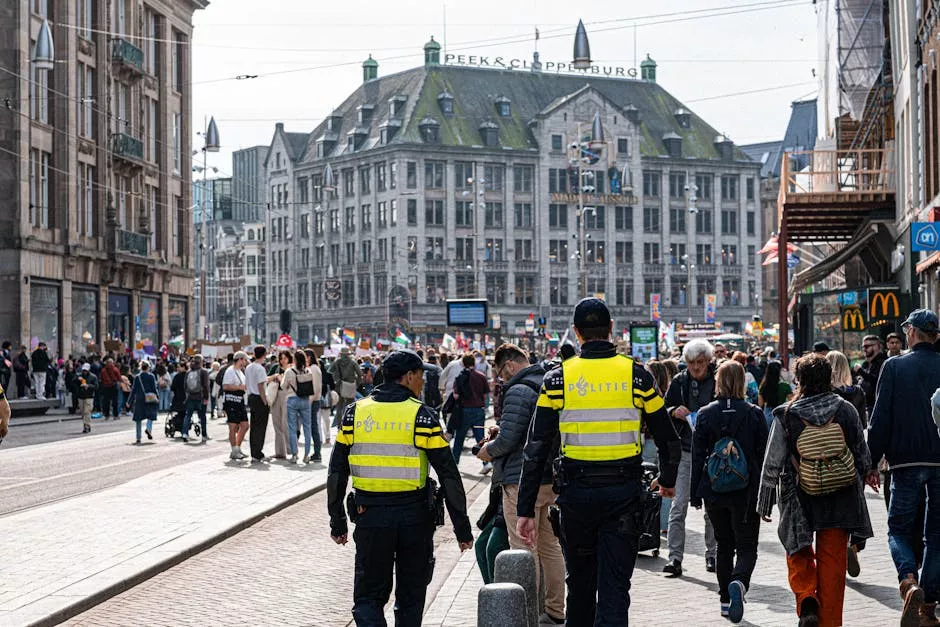
Mohsen Mahdawi, a bright and passionate advocate for Palestinian rights, has been pursuing higher education at Columbia University. Notably involved in various protests and advocacy efforts, Mahdawi's activism captured the attention of both supporters and those opposed to his cause. During the Trump administration, there was a marked increase in deportation proceedings against activists and immigrants, sparking widespread concern among human rights organizations.
Mahdawi's case was initiated amid this crackdown, with accusations stemming primarily from his participation in protests and activities deemed as potentially threatening by authorities. The charges were heavily criticized by legal experts and rights advocates, who argued that the motivations behind many of these proceedings were deeply rooted in political bias rather than legitimate legal concerns.
Implications of the Ruling
The judge's decision to dismiss the deportation case against Mahdawi is a remarkable development, not just for him personally but also for international human rights advocacy. This ruling underscores the significant legal challenges faced by activists in environments characterized by political oppression. Legal analysts have noted that such decisions could shape the discourse around freedom of speech and judicial integrity in the United States.
The decision also highlights a shift in the broader political environment following the end of Trump's administration. It aligns with President Joe Biden's campaign promises to restore more humane immigration policies, although the pace and scope of these changes have been the subject of debate and scrutiny.
Historical Perspective
Historically, the United States has been perceived as a nation of immigrants, a sanctuary for those seeking freedom and opportunities. However, immigration policy has often been swayed by the political milieu of different eras. The Trump administration's policies marked a period of intense scrutiny and enforcement, sometimes sparking clashes with states and cities upholding sanctuary policies.
Moreover, the focus on activists and individuals involved in protest activities brought to the forefront the contentious debate about the boundaries of free speech and lawful anti-government sentiment. Mahdawi's case, in particular, became emblematic of the challenges faced by international students and immigrants who are often caught in the crossfire of domestic policy shifts.
Geopolitical Repercussions
The judge's ruling has implications beyond US borders, particularly in relations with Middle Eastern entities. The Palestinian cause remains a polarizing issue internationally, with supporters continuing to advocate against perceived biases in the global political framework. Mahdawi's case and its resolution may influence perceptions among Palestinian communities and advocates worldwide.
As the world watches how the US handles its complex immigration landscape, this instance could catalyze broader discussions on civil liberties, legal justice, and the role of activism in shaping political discourse.
Why It Matters
The dismissal of deportation proceedings against Mohsen Mahdawi is a potent indicator of changing tides in US immigration policy, with broader significance in global geopolitics. The move potentially strengthens international perceptions of the US as a defender of human rights and judicial fairness, especially in contrast to previous years marked by immigration struggles and policy clashes. For stakeholders involved in international relations and human rights, the case underscores the power of legal processes in protecting individual rights against political agendas. Further attention will be required to assess how current policy directions will influence activist movements and advocacy efforts worldwide, as well as their subsequent impact on global human rights dialogues.