U.S.-Israeli Strikes Spare Key Iranian Nuclear Facility Temporarily
A key Iranian nuclear site remains intact after a series of airstrikes by the U.S. and Israel, highlighting ongoing tensions in the region.
Africa & Global Economy Correspondent
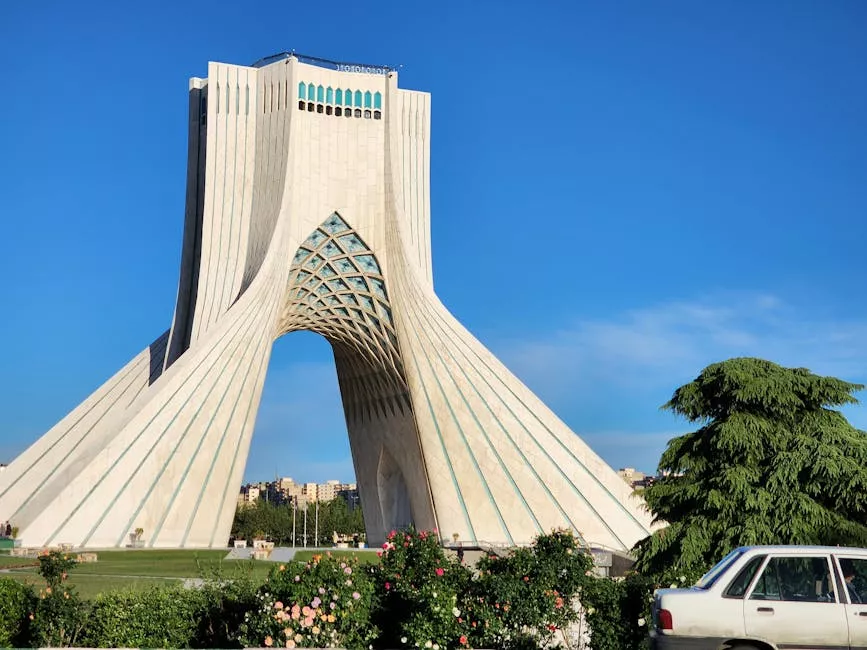
The geopolitical landscape of the Middle East was once again thrust into the spotlight as a critical Iranian nuclear facility escaped destruction during a series of U.S.-Israeli airstrikes last June. The Isfahan facility, long suspected by Western intelligence agencies of harboring a significant cache of enriched uranium, survived the 12-day aerial assault largely unscathed. This revelation underscores persistent global anxieties regarding Iran's nuclear ambitions and the international efforts aimed at containing them.
Historical Context
The Isfahan facility represents a cornerstone of Iran’s nuclear infrastructure. Historically, Iran’s nuclear program has been at the center of international scrutiny and controversy, dating back to the early 2000s when its uranium enrichment activities were first revealed. Despite Iran’s assertions that its nuclear ambitions are purely peaceful, fears of weaponization have led to a protracted standoff with Western powers. The Joint Comprehensive Plan of Action (JCPOA), brokered in 2015, offered a temporary reprieve; however, its efficacy was severely undermined following the U.S. withdrawal in 2018 under then-President Donald Trump.
The Current Landscape
Last June's airstrikes can be seen as a continuation of the high-stakes chess game being played between Iran and its regional adversaries, notably Israel. Israel has consistently articulated its willingness to take unilateral military action to prevent Iran from developing a nuclear weapon—a stance that aligns with its broader regional security philosophy. For its part, the United States maintains a delicate balance between diplomatic engagement and military preparedness, aiming to deter Iran while keeping doors open for dialogue.
Regional and Global Reactions
The failure to neutralize Isfahan has reverberated across the region and beyond. Allies of the U.S. and Israel have expressed support for their right to defend themselves against perceived Iranian threats. However, some leaders in Europe and the broader international community continue to advocate for renewed diplomatic initiatives over military escalation. Meanwhile, Iran has denounced the strikes as acts of aggression, vowing to fortify its defenses and continue its nuclear activities.
Implications for the Future
The survival of Isfahan indicates a potential escalation in military operations or intelligence efforts by concerned nations. As diplomatic avenues continue to falter, the specter of a broader conflict looms large, with severe implications for regional stability. In this volatile environment, any miscalculation could have catastrophic consequences, underscoring the urgency of finding a sustainable solution to the Iranian nuclear issue.
Potential Scenarios
In the short term, increased sanctions or further airstrikes could lead to an escalation of hostilities. Conversely, a shift back to diplomatic table discussions might mitigate tensions but requires substantial political will and compromise from both Tehran and Washington. The stakes remain high, with the outcome potentially reshaping the geopolitical landscape of the Middle East.
Why It Matters
The sparing of the Isfahan nuclear facility during recent airstrikes is significant on multiple levels. First, it highlights the complex operational challenges inherent in dismantling Iran's nuclear capabilities through military means. Moreover, this development could embolden Iran, potentially accelerating its nuclear advancements in defiance of international pressure. For global policymakers, the event serves as a stark reminder of the precariousness of the current geopolitical climate and the risks associated with military brinksmanship. Observers should closely monitor Iran's next moves, as well as any shifts in U.S.-Iranian diplomatic discourse, which could signal changes in strategy from confrontation to negotiation.