Escalating Tensions: US-Israeli Conflict with Iran Roils the Region
Recent US-Israeli military actions against Iran are intensifying regional instability, affecting Tehran and Beirut with retaliatory strikes from Iran.
Defense & Security Editor
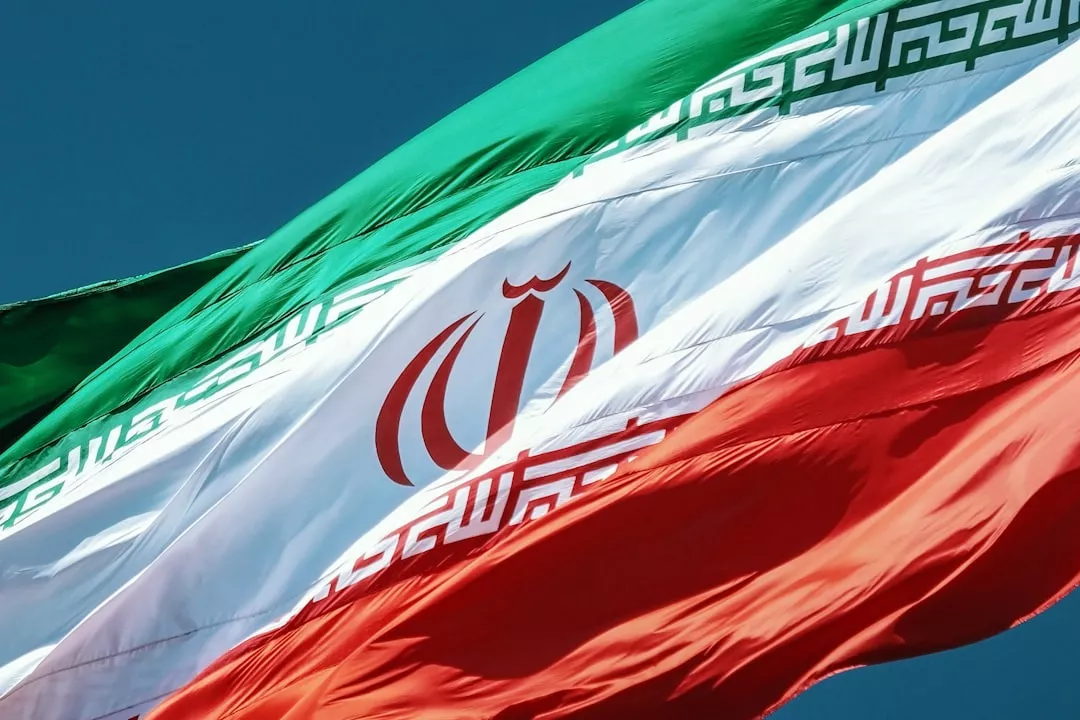
The geopolitical landscape of the Middle East is currently witnessing a volatile escalation as recent military confrontations between the US-Israeli alliance and Iran amplify tensions across the region. Violent clashes erupted following a series of provocative actions that have rooted themselves in the longstanding rivalries and geopolitical calculations.
Background of the Conflict
Historically, the tenuous relationship between Iran and the US-Israeli nexus has stemmed from both enduring strategic confrontations and ideological disagreements. The roots of these recent hostilities can be traced back to longstanding grievances, including nuclear ambitions and regional power dynamics.
Tehran and Beirut Under Attack
As hostilities intensified, Tehran and Beirut became the epicenters of relentless strikes. US-Israeli forces have launched a series of precise assaults targeting strategic locations in Iran, aiming to cripple its military capabilities. Beirut, home to the Iran-backed Hezbollah, has not been immune, suffering collateral impacts from the heightened tensions.
Retaliation and Regional Ripple Effects
Iran's response was swift and multifaceted, employing both conventional military responses and asymmetric tactics through its regional allies. The reverberations of Iran's retaliatory actions are being intensely felt in Israel, triggering heightened states of alert and emergency preparedness among its civilian population.
Alongside, Gulf states have expressed increasing concerns over the instability impacting oil outputs and shipping routes, all vital to the global economy. Calls for restraint from regional leaders underscore the precarious nature of these developments.
Geopolitical Dimensions and Implications
The deep-seated geopolitical ambitions of the participating countries play a pivotal role in this conflict expansion. While Israel seeks to maintain its regional security buffer, Iran is determined to assert its sovereignty and influence.
The implications of this conflict fand as this escalates, a potential military confrontation looms large, threatening an expansion of hostilities involving broader multinational involvement.
Global Diplomacy: Possible Resolutions
Efforts have been underway by global diplomats to de-escalate the cacophony of conflict. International organizations and key western allies are attempting to mediate and inject diplomatic overtures to avoid a full-scale military escalation.
The outcome of these efforts remains uncertain, as entrenched ideological divides prove to be formidable obstacles to lasting peace or ceasefire arrangements.
Why It Matters
The escalating conflict between the US-Israeli forces and Iran has significant ramifications for global security and diplomacy. This crisis is a critical flashpoint that underscores the volatile balance of power in the Middle East, with far-reaching implications for international stability. The involvement of key global players underscores the need for diplomatic interventions to forestall a larger, potentially devastating conflict. Observers should closely monitor jet movements, troop deployments, and international diplomatic dialogues as key indicators of potential tensions or resolutions. The potential impacts on global oil supply and economic stability further heighten the necessity of resolving these disputes.