Economic Strain and War Threats Cloud Tehran's Daily Life
Tehran faces economic struggles as the threat of war looms, casting uncertainty over Iran's future.
Africa & Global Economy Correspondent
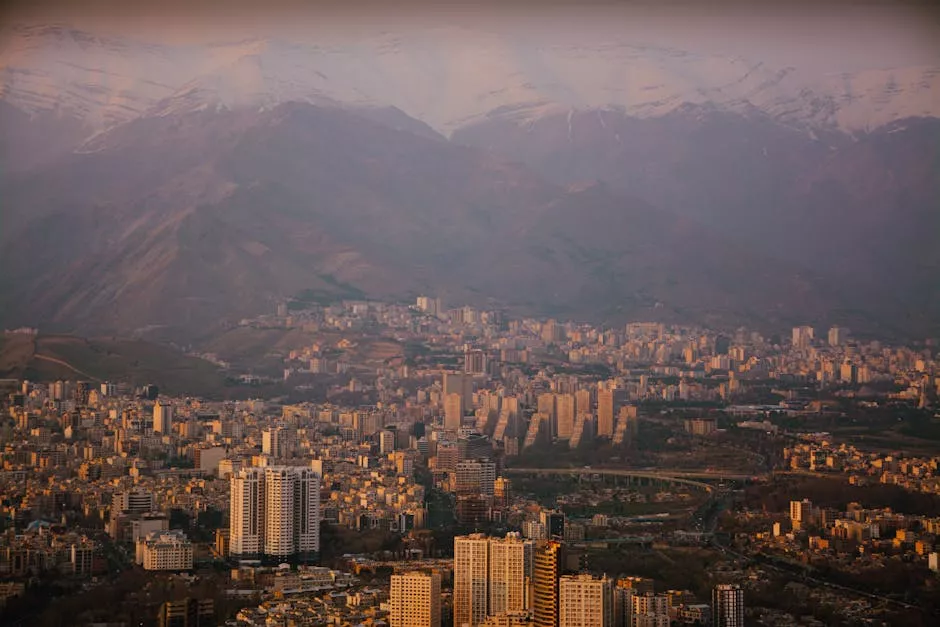
The bustling streets of Tehran are filled with the usual buzz of economic activity, yet beneath the surface, a significant tension permeates the lives of its citizens. Despite the appearance of normalcy, a pervasive uncertainty surrounds Iran’s economic and geopolitical future. The combination of economic challenges and potential conflict presents a complex scenario for which both the domestic population and international observers must cautiously prepare.
Historical Context
Iran has long been at the center of geopolitical conflicts, its strategic location making it a focal point in Middle Eastern dynamics. Since the 1979 Iranian Revolution, the nation has frequently been at odds with the West, particularly with the United States. This historical tension was exacerbated by the nuclear program dispute, which has been a point of contention leading to numerous sanctions aimed at pressuring Iran to abandon its alleged pursuit of nuclear weapons.
Economic Challenges
The economic situation in Iran is fraught with difficulties that trace back to both domestic policy inefficiencies and international sanctions, particularly those reimposed by the United States after the withdrawal from the Joint Comprehensive Plan of Action (JCPOA) in 2018. The sanctions have restricted Iran’s oil exports, a vital part of its economy, crippling its ability to generate revenue and leading to inflation and unemployment.
Residents of Tehran face high costs of living and shortages of essential goods, issues only compounded by the government's tight control over the market and currency exchanges. Many Iranians find themselves struggling to make ends meet as the national currency, the rial, continues to lose value against foreign currencies.
Geopolitical Implications
The possibility of conflict further complicates Iran's standing in the region. Tensions in the Strait of Hormuz — a crucial corridor for global oil shipments — often rise as Iran's relationship with its regional rivals, such as Saudi Arabia, remains strained. Moreover, the volatile state of affairs threatens to destabilize the broader Middle East, which has witnessed proxy wars and conflicts influenced by Iranian interests in states like Syria, Iraq, and Yemen.
The international community watches closely, as any escalation in tension could disrupt global oil supplies, precipitate military confrontations, and exacerbate refugee crises, impacting countries far beyond the region.
Domestic Repercussions
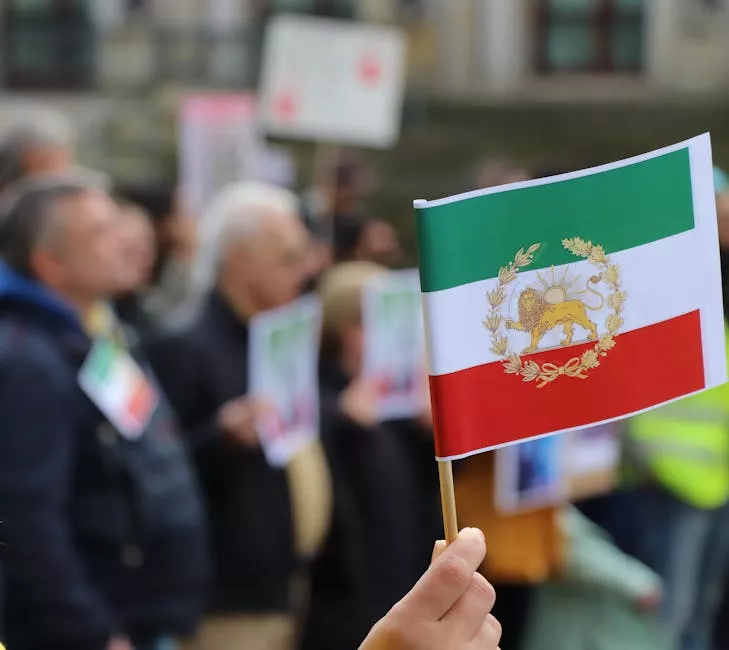
Internally, the Iranian government faces dissent from a population tired of economic woes and international isolation. Protests have sporadically erupted as citizens demand better economic conditions and more political freedom. The threat of war or further sanctions only adds to the sense of urgency among the populace, who are acutely aware of the repercussions that could follow aggressive international stances.
The Iranian leadership must weigh its actions carefully to prevent internal discontent from escalating into widespread unrest, a scenario that could further weaken its grip on power and complicate its diplomatic efforts.
Why It Matters
The situation in Tehran is a vital barometer of the larger Middle East dynamics. With Iran at the nexus of several critical geopolitical tensions, the international community must monitor developments closely. Economic pressures and the threat of war not only affect regional stability but also pose risks to global markets, particularly concerning energy supplies. As Iran navigates these challenges, its strategies will influence relations with global powers and regional neighbors. Observers should watch for shifts in Iran's foreign policy and any changes in its economic posture as indicators of possible resolutions or escalations.