UAE Prepares for Iran 'Threats' Amid Rising Tensions
UAE pledges to confront Iran's threats, as Tehran's judiciary warns of attacks amid escalating regional tensions.
Defense & Security Editor

UAE Poised to Address Iranian Threats
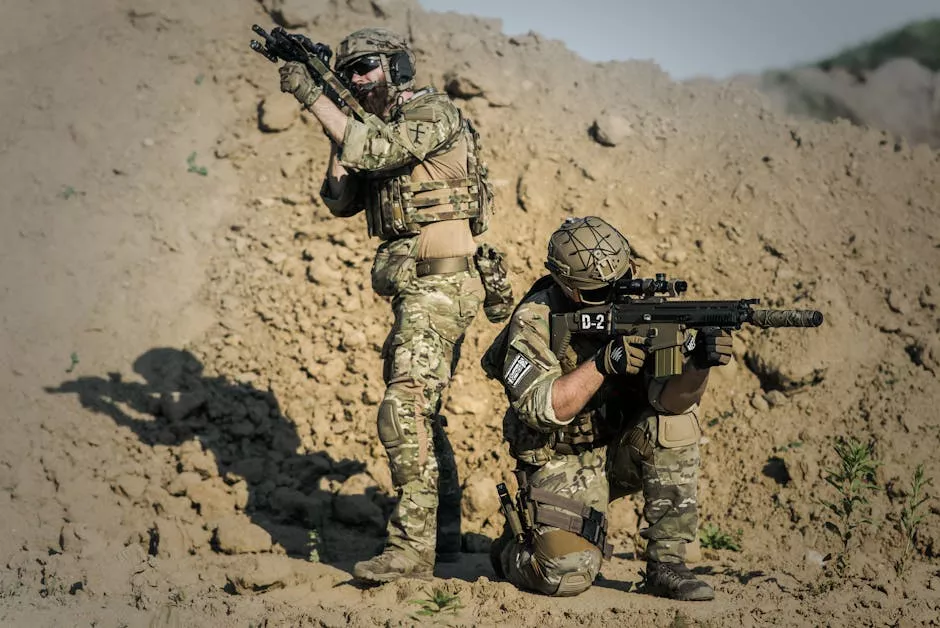
In a clear signal of readiness, the United Arab Emirates (UAE) President addressed the rising geopolitical tension with Iran, declaring the nation’s preparedness to tackle any imminent threats. This announcement comes as Iran's judiciary chief issued a staunch warning of 'heavy attacks' on areas deemed to be under the influence of adversaries. The ongoing strain in the Gulf region underscores a long-standing rivalry replete with historical disputes and geopolitical complexities.
Historical Context of UAE-Iran Relations
The relationship between the UAE and Iran has been historically fraught, characterized by territorial disputes and differing ideological stances. The conflict over the strategically significant islands of Abu Musa and the Greater and Lesser Tunbs in the Strait of Hormuz has been a point of contention since the early 1970s. Despite sporadic diplomatic efforts, a resolution for these disputes remains elusive, contributing to the current climate of distrust.
Regional Perspectives and Reactions
Gulf neighbors, including Saudi Arabia and Bahrain, watch apprehensively as the UAE navigates these tensions. Iran’s recent threats emphasize ongoing power dynamics in the region, where alliances and partnerships play crucial roles. UAE's military preparedness resonates with its recent strengthening of ties with Western allies, particularly the United States and European nations. The Gulf Cooperation Council's reaction remains critical, as collective regional security mechanisms are debated in light of potential Iranian aggression.
Geopolitical Implications
Iran’s assertive posture and the UAE’s robust response signify broader geopolitical ramifications that extend beyond the Gulf. With Iran's strategic military power and influence across proxy groups in Yemen, Syria, and Iraq, the implications for regional stability are profound. The potential for an escalated conflict involves not merely the direct actors but impacts global oil supply routes and international maritime security. The strategic Strait of Hormuz, a vital conduit for global oil shipments, remains a crucial focal point.
Furthermore, the situation reflects wider Middle Eastern alignments, where the UAE's diplomatic normalization with Israel could add a layer of complexity to the regional geopolitical chessboard. The Abraham Accords symbolize shifting alliances that could recalibrate the balance of power, particularly if military confrontations heighten.
Global Response and Strategic Considerations
International stakeholders, especially the United States and Europe, face complex choices in addressing the UAE-Iran tensions. Sanctions on Iran, alongside diplomatic channels, remain tools of pressure, yet there is mounting pressure for multilateral dialogue frameworks to curb escalations. The possibility of renewed negotiations on the nuclear agreement looms, with potential ripple effects on the Gulf’s security architecture.
Conclusion
The UAE's determined stance and Iran’s forewarnings underscore a region on edge, with significant potential for renewed diplomatic or military engagements. As complexities evolve, the international community remains a critical player in mediating and minimizing conflict, steering towards stability in one of the world's most volatile regions.
Why It Matters
Why It Matters
The unfolding UAE-Iran tensions are a microcosm of the larger, intricate geopolitical landscape of the Middle East, with significant implications for regional and global stability. Iran's aggressive rhetoric and corresponding UAE readiness highlight a renewed escalation that could disrupt peace and security in the Gulf. The strategic importance of the region, especially with the Strait of Hormuz's significance to energy markets, means that any conflict could have far-reaching economic impacts worldwide. Furthermore, these tensions could test existing alliances and create opportunities for new diplomatic initiatives or military alliances. Observers should watch for diplomatic strategies from global powers and potential shifts in regional alliances that could affect long-term Middle Eastern politics.