Trump's Ultimatum to Iran Heightens Strait of Hormuz Tensions
The Strait of Hormuz faces crisis as Trump demands Iran reopen it within 48 hours or face strikes. Tehran vows retaliation, escalating regional tensions.
International Relations Correspondent
The Strait of Hormuz, a crucial maritime chokepoint, has again become the flashpoint of international tension as former U.S. President Donald Trump issued an ultimatum to Iran. On March 22, Trump demanded that Iran reopen the Strait within 48 hours, threatening military strikes on Iranian oil facilities if Tehran fails to comply. This development marks a significant escalation in the historically tumultuous relationship between the two nations and has major implications for global oil markets and regional stability.
A Historical Context of the Strait of Hormuz
The Strait of Hormuz has long been recognized as one of the world's most strategic waterways. It serves as the conduit for approximately 20% of the world's oil, making any disruption potentially catastrophic on a global scale. Historically, the Strait has been a point of contention and military focus, particularly during periods of heightened U.S.-Iran tensions. The Iran-Iraq War in the 1980s, which saw major confrontations in the Strait, is a reminder of its strategic importance.
Trump's Bold Move
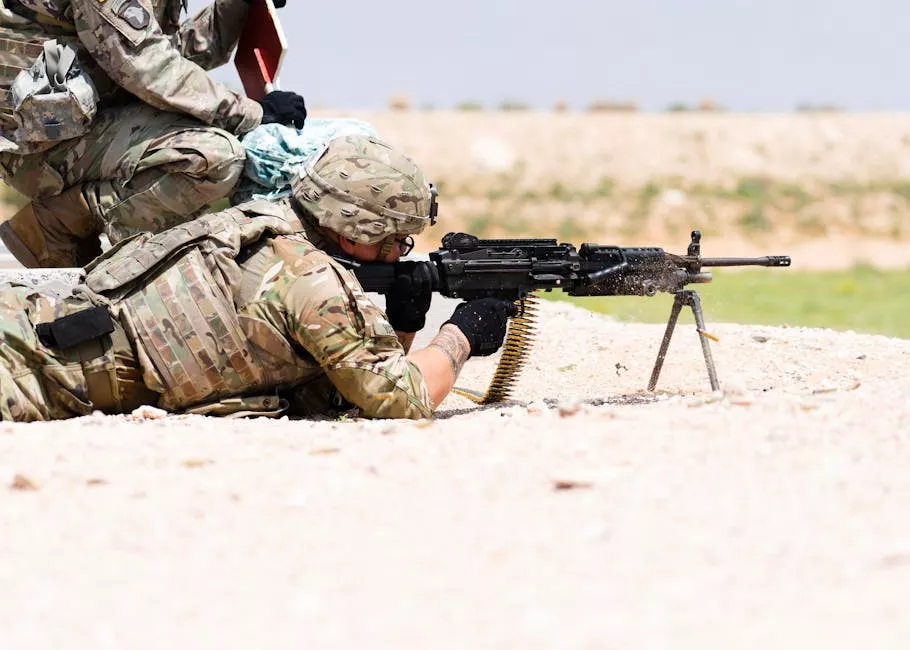
Donald Trump's ultimatum is seen by many geopolitical analysts as a continuation of his aggressive stance towards Tehran. During his presidency, Trump withdrew the United States from the Iran nuclear deal and imposed severe sanctions aimed at crippling Iran's economy. This latest move signals a potential return to stricter measures, possibly resulting in military engagement.
News of the ultimatum sent ripples through global markets, with oil prices experiencing fluctuations as traders reacted to the prospect of reduced Iranian oil exports. This action also raises questions about the Trump administration's influence and policy stance on contemporary U.S.-Iran relations.
Iran's Reaction
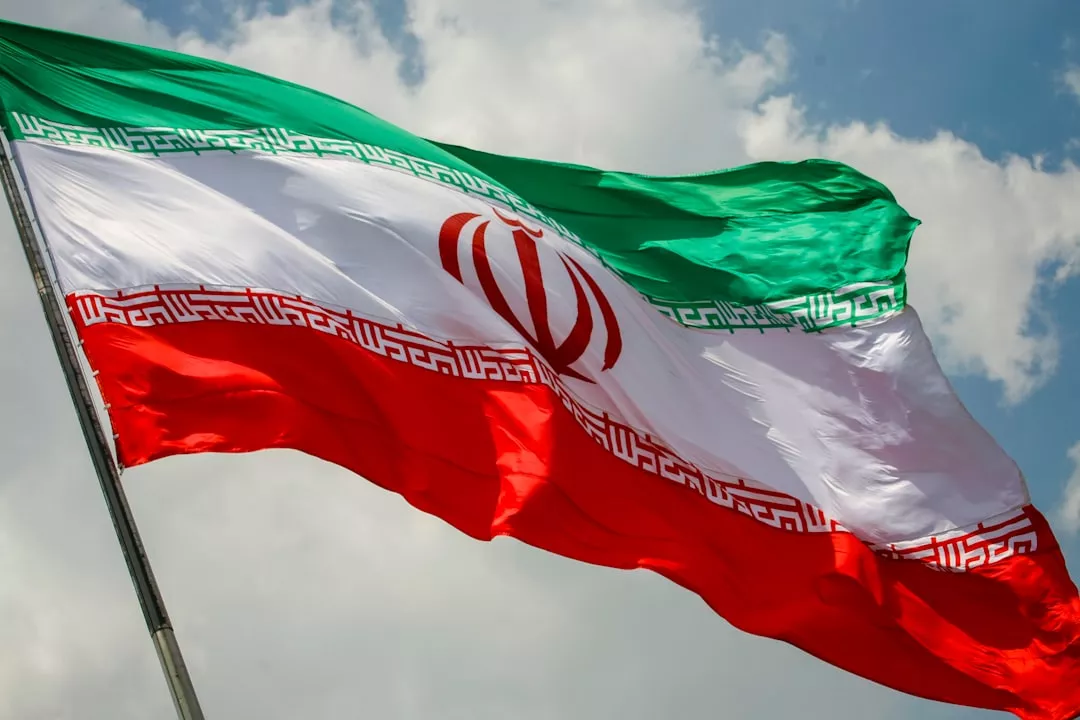
In response to the ultimatum, Iranian officials categorically rejected Trump's demands, warning that any attack on its oil facilities would be met with swift and severe retaliation. Iran's military capabilities, including its missile program and regional alliances, suggest that any conflict could quickly spiral into a broader confrontation involving Iran's allies in the region.
Tehran's firm stance reflects its strategic objectives in maintaining a strong foothold in the Strait and asserting its sovereign rights against what it perceives as external aggression. Iran's oil exports are a critical component of its economy, and the threat of military strikes intensifies the stakes for both sides.
Regional and Global Implications
The situation in the Strait of Hormuz has far-reaching implications for the Middle East and beyond. The possibility of military conflict raises concerns about the security of Gulf states and the potential for widespread instability. Countries such as Saudi Arabia and the United Arab Emirates, who have interests aligned with the U.S., are closely monitoring the situation.
On the global stage, the tension could lead to further volatility in energy markets, impacting economies worldwide. The European Union has called for restraint, emphasizing the need for dialogue and diplomatic solutions to avoid a full-scale conflict.
The Path Forward
The coming hours and days will be crucial in determining the trajectory of this crisis. Diplomatic efforts are expected to intensify as international actors seek to mediate and prevent military action. However, with both the U.S. and Iran maintaining firm positions, the likelihood of a quick resolution remains uncertain.
Why It Matters
Why It Matters
The Strait of Hormuz's strategic importance cannot be overstated. As a key artery for global oil transportation, disruptions here affect energy security worldwide. Trump's ultimatum and the subsequent Iranian response underscore the fragile nature of U.S.-Iran relations. The potential for military conflict raises alarms not just for regional actors but also for global powers invested in Middle East stability. Observers should watch for any diplomatic engagements that might prevent escalation, while also monitoring market responses and potential shifts in energy policy as countries brace for possible disruptions.