Trump Threatens Iran with Military Strike Over Hormuz Standoff
Tensions escalate as Trump warns Iran of severe action unless the Strait of Hormuz is reopened within 48 hours.
International Relations Correspondent

Introduction
The geopolitical landscape has once again been thrust into turmoil as former U.S. President Donald Trump issued a stark ultimatum to Iran regarding the critical Strait of Hormuz. Trump has threatened a direct military response, including targeting Iran's power infrastructure, if Tehran does not open the strategic waterway within 48 hours. This latest development underscores the heightened tensions between the two nations and raises concerns about global energy security.
Background of the Straits of Hormuz
The Strait of Hormuz is a vital maritime chokepoint through which approximately 20% of the world's petroleum passes. Its strategic significance cannot be overstated, as any disruption to the flow of oil could have profound implications for the global economy. Historically, the narrow waterway has been a focal point of contention, especially between neighboring Iran and various Western powers keen on ensuring free passage for international trade.
Historical Context
U.S.-Iran relations have long been strained, rooted in a complex history of mistrust and conflict. The watershed moment came in 1979 with the Iranian Revolution, which saw the overthrow of the U.S.-backed Shah. This shift led to the subsequent hostage crisis, during which 52 American diplomats were held in Tehran, inflaming tensions that have never fully subsided.
Fast forward to the early 21st century, where Iran's nuclear ambitions further exacerbated tensions, leading to a series of economic sanctions and diplomatic standoffs. Despite intermittent attempts at diplomacy, such as the 2015 Joint Comprehensive Plan of Action (JCPOA), which sought to curb Tehran's nuclear capabilities in exchange for sanction relief, the subsequent withdrawal of the United States from the agreement in 2018 under Trump's administration reignited hostilities.
The Current Situation
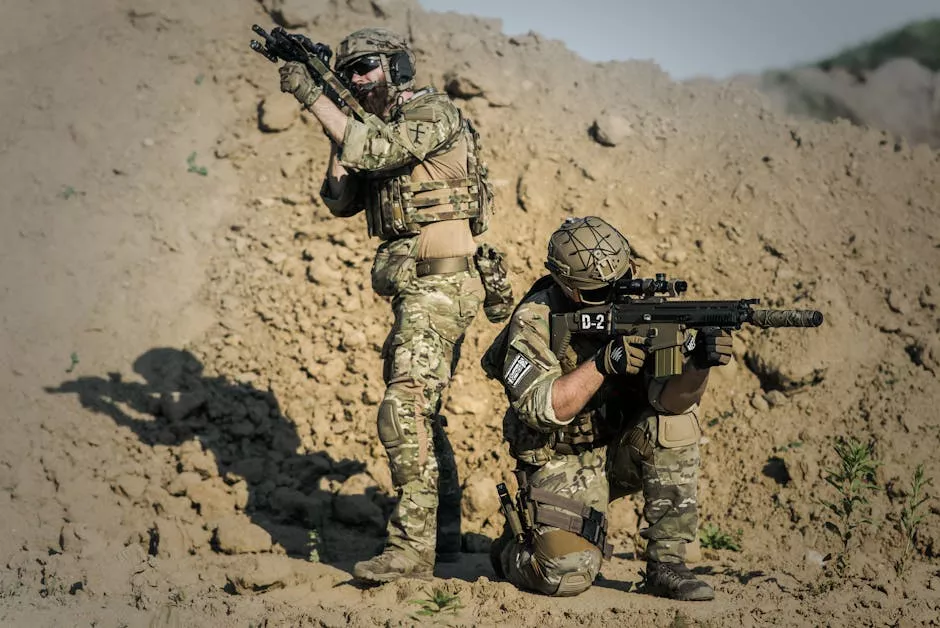
In recent days, maritime traffic through the Strait of Hormuz has been impeded, with Iran allegedly responsible for the closure. The crippling impact on global oil prices has not gone unnoticed, prompting Trump's unequivocal response. He declared that failure to reopen the Strait promptly would result in military action, emphasizing an intent to obliterate critical infrastructure, including power plants, within Iran.
While the U.S. maintains a strong military presence in the region, including the Fifth Fleet based in Bahrain, any military engagement carries significant risks. A strike on Iran could provoke a retaliatory response, potentially setting off a conflict with global repercussions.
Regional Reactions
The Middle East is no stranger to conflict, but the potential for an all-out war over the Strait of Hormuz has reverberated throughout the region. Key U.S. allies like Saudi Arabia and the UAE have expressed support for measures that ensure the free passage of oil. However, nations such as Iraq and Qatar have urged restraint, aware of the severe economic and human costs a conflict would entail.
Geopolitical Implications
A military escalation in the Strait of Hormuz would disrupt more than oil flows; it could also stymie global trade and destabilize regional political dynamics. The implications for international relations are vast, potentially forcing allies and adversaries alike to realign their policies according to new strategic realities.
Meanwhile, China, India, and other major importers of Persian Gulf oil may be forced to seek alternative sources or increase diplomatic pressure to de-escalate the situation. The economic ramifications could extend to stock markets worldwide, with increased volatility anticipated amid the uncertainty.
Why It Matters
Why It Matters
The closure of the Strait of Hormuz and the subsequent threats of military action exemplify the fragility of global security frameworks. The Strait's significance to the global energy market means that any disruption could lead to skyrocketing oil prices, affecting economies worldwide. Furthermore, military escalation in the region risks drawing in multiple countries, potentially leading to a larger, more destructive conflict. This situation highlights the urgent need for diplomatic solutions to regional disputes, underlining the interconnectedness of geopolitical and economic stability.
Observers should closely monitor further U.S. and Iranian actions, the response of regional players, and the impact on global markets, which will provide indicators on the direction this stand-off might take.