Tensions Rise as Hezbollah-Israel Conflict Sparks Lebanon Crisis
Hezbollah-Israel clashes intensify, causing displacement in Lebanon and impacting regional stability.
Middle East & Diplomacy Specialist
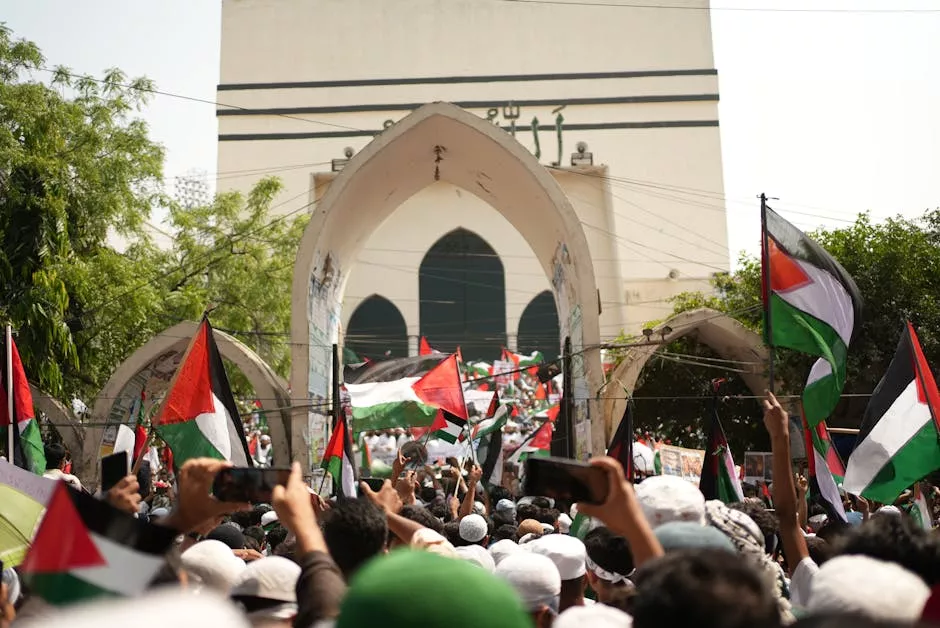
As hostilities between Hezbollah and Israel intensify, Lebanon finds itself on the brink of what could devolve into a broader conflict. The recent uptick in military exchanges has not only exacerbated existing tensions but also precipitated a humanitarian crisis, with thousands of Lebanese citizens being displaced. This escalation has also led to the indefinite postponement of Lebanon's parliamentary elections, further hinting at the destabilizing impact of the feud on the nation's political framework.
Historical Context of the Hezbollah-Israel Conflict
The roots of the Hezbollah-Israel conflict can be traced back to the early 1980s. Hezbollah was founded in response to the Israeli invasion of Lebanon aiming to resist Israeli operations and advocate for Shiite interests in Lebanese politics. Over the years, several armed confrontations have occurred, the most significant being the Second Lebanon War in 2006, which resulted in substantial loss of life and destruction but ended in a stalemate. The United Nations brokered a ceasefire, though incidents have sporadically occurred since then, simmering under a fragile peace.
Present-Day Escalations
Recently, border skirmishes have turned into a series of more sustained attacks. Analysts believe this comes in part due to external influences and Lebanon’s own volatile political landscape. The Israeli government, citing security threats from Hezbollah’s militia, has launched retaliatory strikes. These actions are intertwined with the wider geopolitical tensions involving Iran, a key supporter of Hezbollah.
On the ground, the consequences have been devastating for Lebanese civilians. Towns near the Israeli border have seen aerial bombardments, driving families to seek refuge in safer areas. The United Nations and various NGOs have mobilized to offer aid, but logistical challenges and security concerns hinder their efforts.
Postponement of Lebanon's Parliamentary Elections
Amidst this increasing instability, the Lebanese government has postponed parliamentary elections indefinitely. This decision has sparked controversy among the populace and opposition parties, who argue that it underscores the government’s failure to secure the nation and provide stability. The lack of certainty surrounding the elections threatens to plunge Lebanon into deeper political turmoil at a time when governance is crucial to navigating the crisis.
Regional and Global Implications
The consequences of this escalation are not confined to Lebanon and Israel alone. They reverberate throughout the Middle East, a region already beset with geopolitical complexities. Iran’s backing of Hezbollah places it in direct contention with Israel, while countries like Syria and Iraq, with their own entanglements, closely monitor the situation. The broader Arab world sees this as an opportunity to revisit alliances, with some nations wary of Iran’s growing influence.
Globally, Western nations, including the United States and members of the European Union, have engaged in diplomatic efforts to prevent wider hostilities. These efforts, however, are complicated by shifting international politics and the strategic interests of outside actors who have vested interests in the region’s geopolitics.
Why It Matters
The exacerbation of conflict between Hezbollah and Israel is significant on multiple fronts. Regionally, it perpetuates instability in the Middle East, a crucible of geopolitical friction that can have cascading effects on global markets, particularly energy supplies due to its proximity to major oil-producing nations. The displacement crisis compounds Lebanon’s existing humanitarian challenges, stretching its already frayed social fabric. Furthermore, the delay of parliamentary elections could lead to a prolonged political vacuum, raising prospects of internal strife and weakening national governance at a critical juncture. Internationally, stakeholders must monitor these developments as they could redefine alliances and strategic interests in the geopolitics of the region. Observers should look out for mediation efforts, potential ceasefire talks, and humanitarian response effectiveness in the coming months.