Tensions Escalate as Israeli Strikes Hit Hezbollah in Beirut
Conflict intensifies as Israeli airstrikes target Hezbollah in Beirut after attacks following Khamenei's death.
Senior Geopolitical Analyst
Background and Context
The Middle East once again finds itself at the heart of a major geopolitical conflict as tensions between Israel and Lebanon have escalated following the assassination of Iranian supreme leader Ayatollah Ali Khamenei. This assassination, reportedly carried out through US-Israeli combined strikes, set off a chain reaction that compelled Hezbollah, the Iran-supported Shiite militant group based in Lebanon, to retaliate against Israel. This move immediately pulled Lebanon into a region-wide confrontation.
The Immediate Fallout
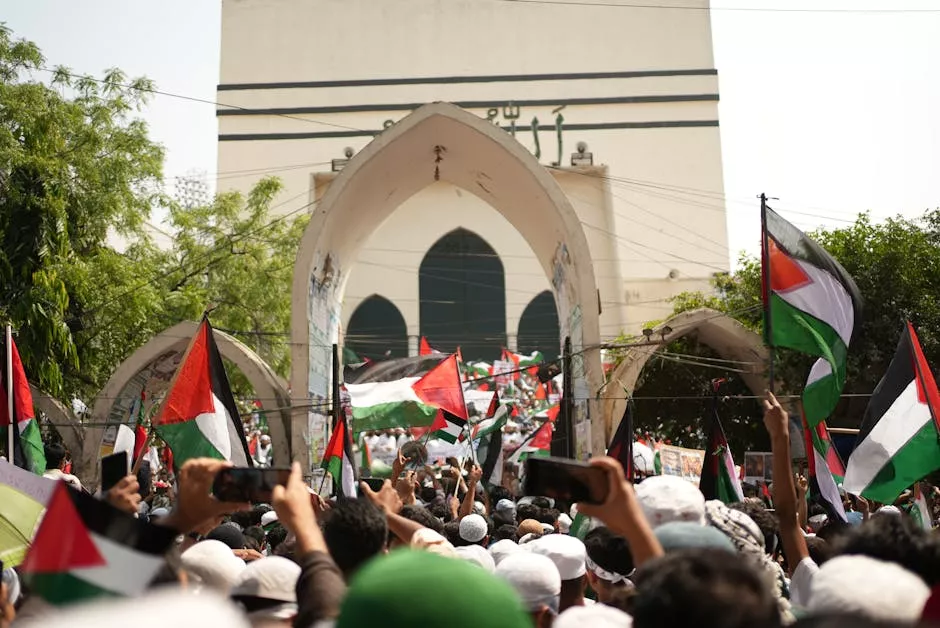
On the heels of Khamenei’s targeted killing, Hezbollah launched a series of attacks against Israel, chanting calls for retribution and viewing the strike as an act of warfare against Iran’s deep regional interests. Reacting sharply, Israel launched overnight airstrikes aimed at Hezbollah strongholds in Beirut and deployed ground troops to secure its border with Lebanon, marking the fiercest action in the area since the 2006 Lebanon War.
Military Build-Up and Displacement
In preparation for extended military operations, Israel’s government ordered the evacuation of civilians from a vast area in southern Lebanon, putting additional pressure on local communities already burdened by geopolitical instability. The move underscores fears of a broader conflict that has potential to involve multiple regional actors, disrupting the already fragile peace in the Middle East.
Historical Context
The relationship between Israel and Hezbollah has been fraught with hostility for decades. Historically, the Israeli-Lebanese border has been a flashpoint, with conflicts arising from the presence of Hezbollah, an entity considered a terrorist organization by Israel and its allies. The 2006 Lebanon War left significant marks on both societies, establishing a fragile ceasefire that has been repeatedly tested over the years.
Iran's influence over Hezbollah highlights the complex proxy dynamics at play, with the militant group acting both as a national actor with domestic interests and as Iran's long arm in its strategic chess game against Israel.
Geopolitical Implications
The current escalation bears risks of dragging the entire region into a broader conflict. Iran’s responses will be critical, given its strategic interests in maintaining Hezbollah as a deterrent against Israeli and Western influence. Additionally, these developments occur amidst a complex global landscape, with major world powers like the United States having uncertain strategies in the region under changing leadership.
While many in the international community call for diplomatic efforts to prevent further escalation, the deeply-entrenched historical animosities complicate mediation efforts. For now, the attention turns to which actors will rally to de-escalate or escalate the conflict.
Regional Reactions
The Arab League has condemned the violence, urging all parties to exercise restraint, while nations like Saudi Arabia and Egypt have been vocal in their calls for moderation. However, the deep-rooted sectarian divides and geopolitical alliances pose significant hurdles for achieving peace.
Why It Matters
Why It Matters
The reverberations from the escalating conflict between Israel and Hezbollah in Lebanon extend beyond its immediate geographic locale, resonating through various geopolitical fault lines. At its core, this crisis is not merely a bilateral standoff but part of a complex tapestry of Middle Eastern power dynamics involving key players such as Iran, the United States, Israel, and pro-Iran militias. As global observers watch tensely, the potential exists for increased military deployments and proxy confrontations across the region, affecting everything from international oil markets to refugee flows in Europe. In the coming days, the international community's response, specifically through diplomatic channels or sanction regimes, will be crucial in either dampening or inflaming the situation further. Ultimately, this is a reminder of the fragility of peace in the Middle East and the constant threat of volatility bubbling up through entrenched regional rivalries.