Tensions Escalate: Azerbaijan Accuses Iran Over Drone Strikes
Azerbaijan's President Aliyev condemns drone strikes by Iran, sparking regional tensions and high alert status for armed forces.
International Relations Correspondent
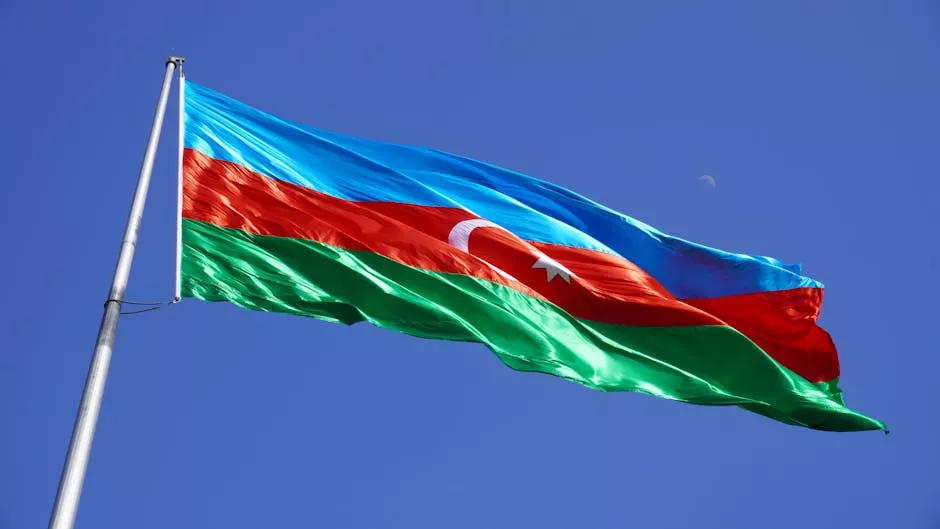
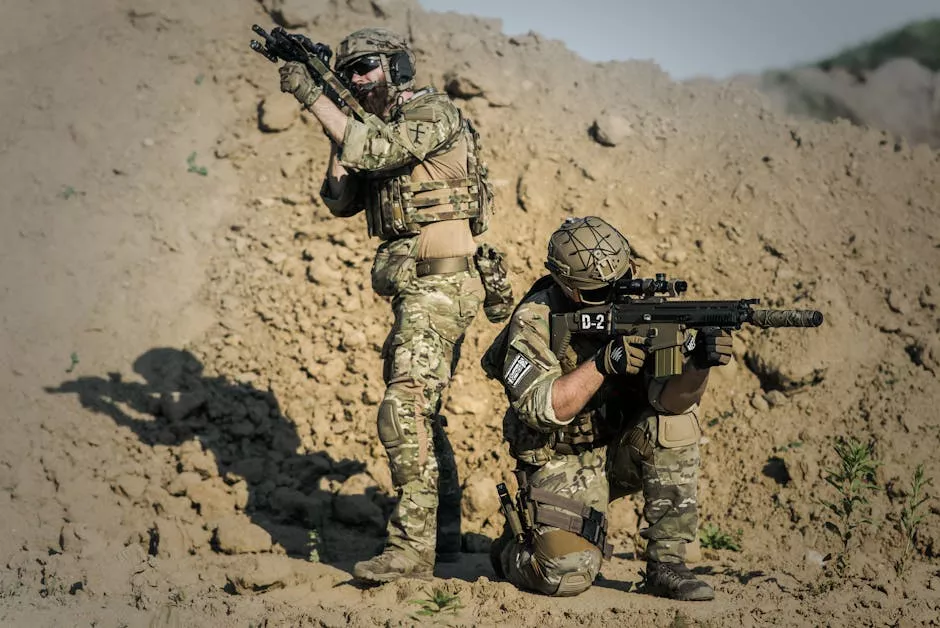
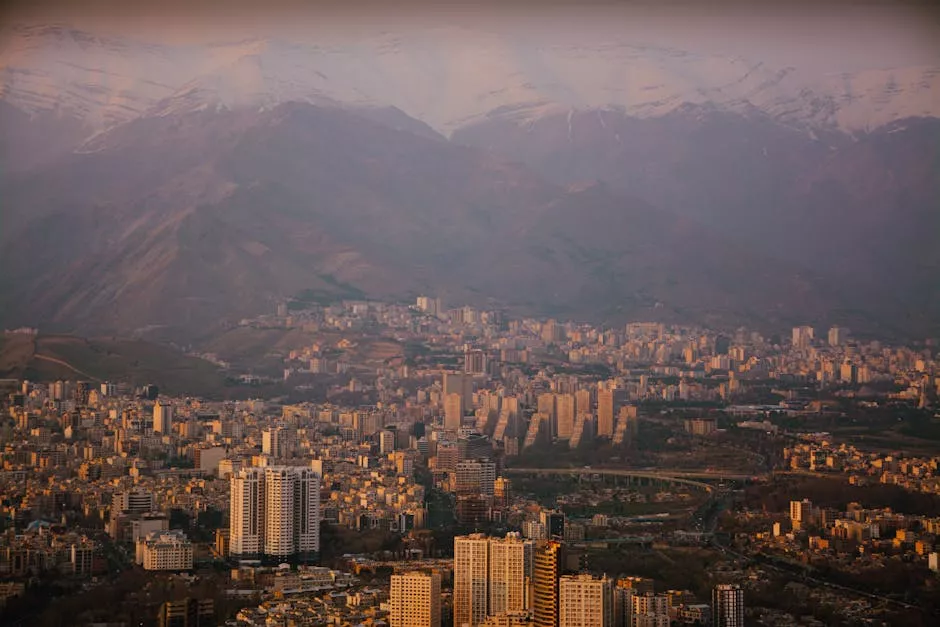
Azerbaijan is finding itself at a crossroads of geopolitical turmoil as fresh tensions with neighboring Iran emerge following recent drone strikes. The President of Azerbaijan, Ilham Aliyev, has denounced these strikes as flagrant acts of terror, prompting him to place the nation's armed forces on high alert. As a complex web of alliances and animosities defines the region, understanding the implications of this unfolding conflict is essential.
Historical Context: A Fraught Relationship
The relationship between Azerbaijan and Iran has been historically tense, underscored by ethno-cultural complexities and geopolitical rivalries. Azerbaijan, a predominantly Shia Muslim country, shares linguistic and ethnic ties with Iran but has aligned more closely in recent years with Turkey and Western powers, like the United States and NATO—a move that has occasionally drawn the ire of Iran.
In the backdrop of regional conflicts like the Nagorno-Karabakh war, Azerbaijan has adopted a more assertive foreign policy stance, often clashing with Iran's regional ambitions. Despite shared religious affiliations, the countries' political and economic aspirations have placed them on opposing trajectories, exacerbating each other's insecurities.
Immediate Regional Reactions
The latest incident has sparked concern among neighboring nations and international stakeholders. In response to Azerbaijan's accusations, Iran has remained relatively silent, but analysts predict a shift in its tactical approaches in the region. Meanwhile, Turkey, a steadfast ally of Azerbaijan, has issued statements condemning the escalation and calling for a reevaluation of security policies.
Given the volatile history of the Caucasus region, where the balance of power is continuously in flux, these developments could mark a significant turning point. The regional powerhouses—Russia, Iran, and Turkey—each have vested interests in maintaining influence, often leading to proxy battlegrounds that risk further destabilization.
Geopolitical Implications
Strategically located at the crossroads of Europe and Asia, Azerbaijan is pivotal to several critical energy and overland trade routes. Consequently, peace and stability in Azerbaijan are crucial not just for regional security but also for energy security across Europe. An escalation into a broader conflict could disrupt energy supply lines, particularly as Europe seeks to reduce dependency on Russian gas.
Furthermore, Azerbaijan's strained relations with Iran could drive the former deeper into alliances with Western powers, further complicating Iran's geopolitical calculus and Iran-West relations. Any misstep could lead to unintended military or diplomatic confrontations, influencing the global political landscape and economic markets.
The Path Ahead: Peace or Escalation?
As of now, diplomatic channels have yet to ease tensions effectively. The international community, particularly the United Nations and the European Union, is urged to mediate and encourage bilateral talks to prevent escalation. Both nations must consider dialogue as a pivotal tool for regional peace, rather than succumbing to military solutions.
The extent of Azerbaijan’s military readiness and Iran’s strategic responses in the coming weeks will undoubtedly shape the trajectory of this conflict. Observers and policymakers worldwide are closely monitoring the situation, recognizing that even a local misadventure could have far-reaching global consequences.
Why It Matters
Why It Matters: The tensions between Azerbaijan and Iran are emblematic of a broader struggle for influence in a rapidly changing geopolitical environment. Given Azerbaijan's key role in regional energy supply routes, stability in this area directly impacts European and global energy markets. The conflict also threatens to further polarize the region politically, pushing Azerbaijan closer to Western alliances and potentially isolating Iran further. Observers should watch for responses from regional powers like Turkey and Russia, whose involvement or mediation efforts could either exacerbate or alleviate tensions. As the situation develops, the potential for direct confrontations could redefine regional security dynamics, making diplomatic engagement essential to prevent a larger conflict.