Tehran's Silent Streets: War Transforms Iran's Capital City
Tehran's once vibrant city life is subdued as relentless warfare forces residents to flee, creating an atmosphere of desolation and fear.
Middle East & Diplomacy Specialist
The Transformation of Tehran Amidst Conflict
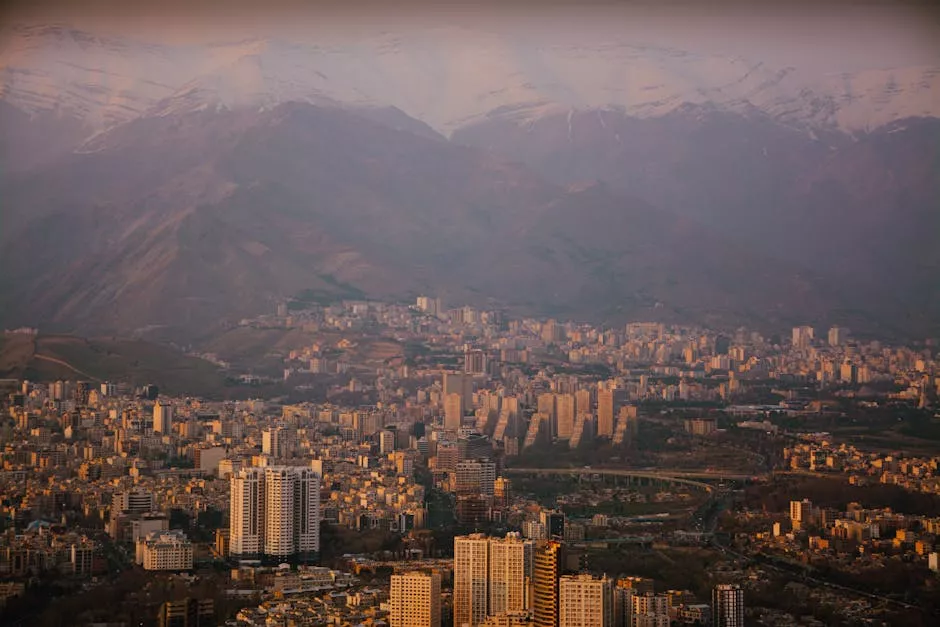
Tehran, the bustling heart of Iran, known for its vibrant culture and exhilarating pace, now finds itself cloaked in an eerie silence. Streets that once echoed with the sounds of daily life are now enveloped in a heavy, desolate atmosphere, as continuous conflicts have taken a toll on the city's vitality. With relentless attacks becoming the norm, many residents have chosen to flee, leaving behind a capital struggling to maintain its pulse amidst the chaos.
A City Under Siege
The ongoing conflict, sparked by a complex tapestry of geopolitical rivalries and regional ambitions, has seen Tehran at the mercy of incessant assaults. These attacks, often unpredictable and devastating, have forced many to leave their homes in search of safety. For those who remain, life has become a cycle of fear and uncertainty, with each explosion and aerial attack a reminder of the unstable world they are forced to inhabit.
The economic impact of the war is palpable. Businesses have shuttered, market activity has dwindled, and the cost of living has surged. Residents who have chosen to stay in Tehran report navigating a city that feels as though it is in a state of siege. "It's as if life itself has fled the city," remarked one local, echoing a sentiment shared by many others who have seen their beloved city transformed by conflict.
Historical Context and Regional Dynamics
To understand the gravity of the situation in Tehran, it is essential to delve into the historical and regional dynamics that have fueled this conflict. Iran, with its strategic location and vast natural resources, has long been a focal point in Middle Eastern geopolitics. The nation’s history is replete with foreign interventions, internal strife, and power struggles, shaping the socio-political landscape over decades.
In recent years, Iran's involvement in regional conflicts, alongside its contentious nuclear program, has exacerbated tensions, bringing Tehran into a direct line of fire. The capital city, as the nerve center of the country, has been disproportionately affected. The geopolitical landscape is further complicated by the involvement of various global powers, each advancing its interests through proxy engagements, thereby intensifying the chaos.
Geopolitical Implications
As Tehran contends with the unfolding crisis, the broader implications for the Middle East are significant. A weakened or distracted Iran amidst ongoing conflict could alter the balance of power in the region, affecting everything from oil production and supply routes to alliances and security collaborations. Neighboring countries, too, are watching closely, well aware that instability in Iran can ripple across borders, impacting political and economic conditions.
Internationally, the situation in Tehran poses challenges for diplomatic engagements and conflict resolution efforts. The sustained conflict in Iran also risks heightening sectarian tensions and exacerbating humanitarian challenges, not just within Iran, but throughout the Middle East.
Conclusion
As Tehran grapples with the relentless challenges brought forth by conflict, its people face an arduous journey of resilience and survival. The reverberations of this war extend far beyond the borders of Iran, with the potential to reshape geopolitical alliances and regional dynamics for years to come.
Why It Matters
Why It Matters
The crisis in Tehran is not an isolated event but a critical juncture in Middle Eastern geopolitics. As Iran's capital remains under siege, the potential reshaping of regional power structures looms large. The enduring conflict threatens to disrupt global oil markets, influence energy prices, and shift international alliances. If the situation persists, it could lead to broader destabilization in the Middle East, impacting global security and economic stability. Observers should monitor potential diplomatic interventions, shifts in alliance patterns, and humanitarian needs as the situation evolves.