Syrian Alawite Women's Plight: Targeted Abuse Under Assad’s Shadow
Reports from Syria shed light on systemic abuse faced by women in the Alawite minority, reviving concerns over sectarian violence.
Senior Geopolitical Analyst
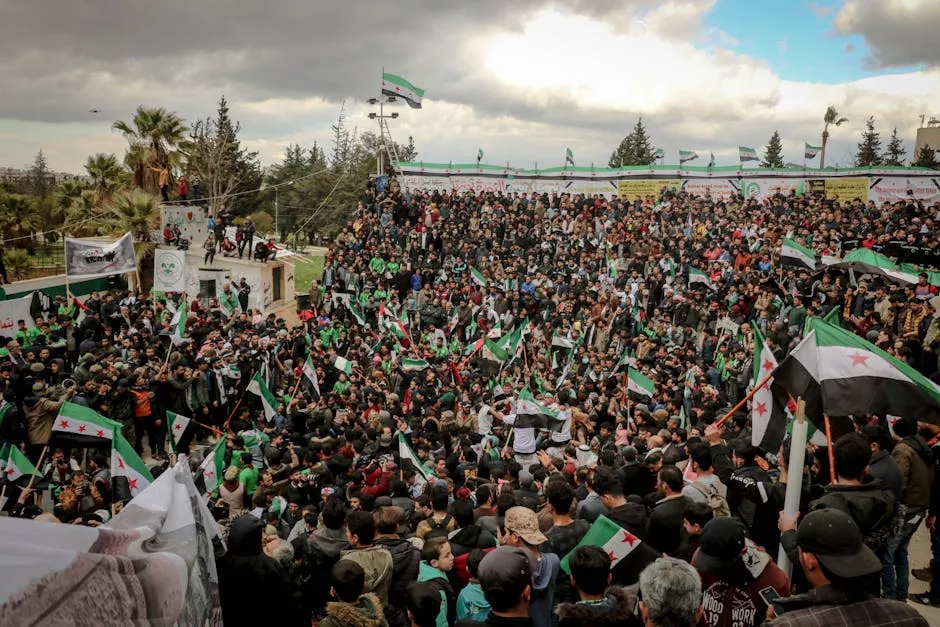
The conflict in Syria, which has ravaged the nation for more than a decade, continues to uncover stories of suffering from various communities. Recent reports from the BBC highlight a disturbing trend of kidnappings and sexual assaults targeting women from Syria's Alawite minority, a sect commonly associated with former President Bashar al-Assad. These narratives are not only heartbreaking on a personal level but also echo the complex sectarian dynamics in the region.
Historical Context
The Alawites have held a prominent position in Syria's power structure due to their association with the Assad regime. Hafez al-Assad, Bashar's father, rose to power in 1971 and established a government deeply intertwined with Alawite networks. This created a perception of Alawite favoritism, which led to growing sectarian tensions as the country plunged into civil war in 2011.
Reports of women being targeted due to their Alawite identity suggest a deepening of these sectarian cleavages. These women, many of whom trusted in the governmental structures aligned with their sect, are now facing brutality from various factions within Syria's fractured society.
Regional Perspectives
Within the Middle East, Syria's ongoing struggles represent more than an internal conflict. The sectarian undertones resonate across the region, affecting relations between Sunni and Shia communities in countries like Iraq and Lebanon. The targeting of Alawite women could further strain these relations as similar sects find themselves embroiled in regional power plays.
Geopolitical Implications
The Syrian conflict has long outgrown its borders, becoming a battleground for international influence. Russia and Iran's support for the Assad regime underscores a broader geopolitical tug-of-war, with Western nations often positioning themselves against Assad's leadership. The targeting of Alawite women could serve to further delegitimize the Assad regime in the eyes of the international community, potentially galvanizing calls for intervention or renewed negotiations.
Internally, these incidents of abuse likely compound the urgency of addressing sectarian divisions during any future reconciliation efforts. For those trapped within Syria, especially women from minority sects, the situation remains dire. They navigate a complex landscape marred by war, fractured loyalties, and persistent fear for their safety.
The international community faces a delicate balance of holding the Assad regime accountable while safeguarding vulnerable populations from further harm. With the scars of sectarian violence so entrenched, any prospective resolution must prioritize minority protections, including the Alawite community's women, to foster a lasting peace.
Why It Matters
Why It Matters: The abuse targeting Alawite women in Syria not only highlights ongoing human rights violations but underscores the persistent sectarian tensions within the region. This development sheds light on the broader vulnerabilities of minority communities in conflict zones, raising critical questions about international accountability and protection mechanisms. For global powers involved in Syrian peace processes, these disclosures should inform strategies that focus on safeguarding all populations, encouraging broader dialogue, and insisting on inclusive governance structures. Observers should watch for shifts in international diplomatic stances towards the Assad regime and monitor how regional sectarian dynamics evolve in response to these reports.