Trump's $7 Billion Gaza Aid: A Step but Far From Enough
Trump's pledged $7B for Gaza is crucial yet insufficient compared to reconstruction needs, opening debates on international responsibilities.
Defense & Security Editor
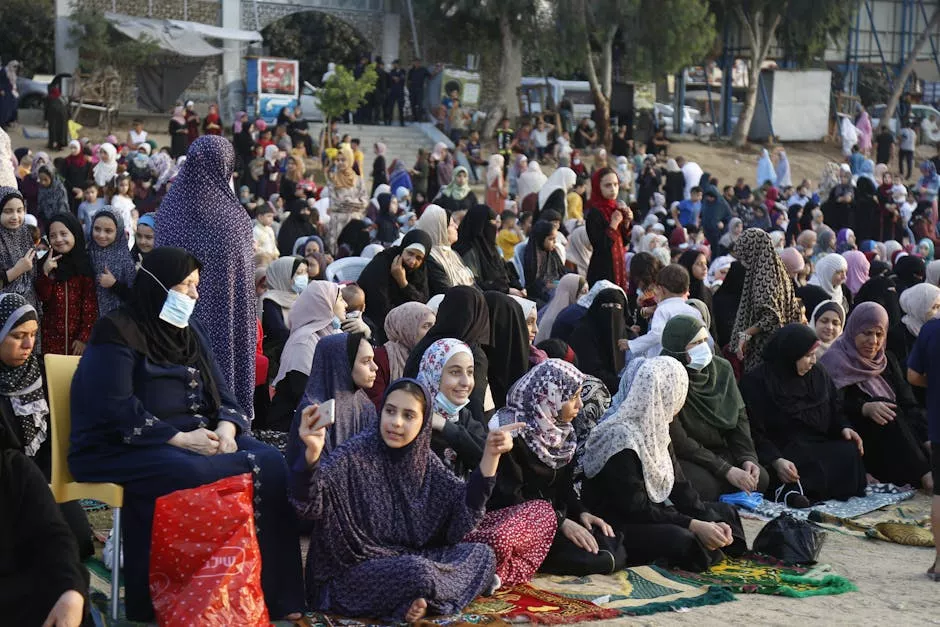
In a recent announcement that has sparked widespread discussion, U.S. President Donald Trump declared that over $7 billion has been pledged by international donors to aid Gaza as part of his 'Board of Peace' initiative. This sum, lauded for its magnitude, remains a mere 'drop in the ocean' when contrasted with the colossal needs for rebuilding the war-torn enclave. Yossi Mekelberg, a senior consulting fellow at Chatham House, aptly used this idiom to describe the mismatch between the pledge and the actual requisites on the ground.
Historical Context and Background
The Gaza Strip has been at the heart of the Israeli-Palestinian conflict for decades. After a series of escalated conflicts and military operations, the region has been left in dire need of reconstruction and humanitarian assistance. The 2014 conflict, Operation Protective Edge, caused substantial damage to Gaza's infrastructure, economy, and civilian life. Following multiple rounds of negotiations and ceasefires, the international community has repeatedly called for a comprehensive plan to ensure lasting peace and provide the necessary resources for Gaza's reconstruction.
The 'Board of Peace' Initiative
President Trump's announcement forms part of a broader strategy aimed at fostering stability and peace in the Middle East. The 'Board of Peace' initiative, introduced with much fanfare, is positioned as a framework for collaboration among international donors and regional players. While the infusion of $7 billion signals a commitment to humanitarian aid, experts argue that it should be seen as an initial step rather than a final solution.
Regional Implications
Gaza's predicament is not just a regional issue but a global concern. The humanitarian crisis in Gaza has repeatedly drawn international attention. The blockade, imposed by Israel and Egypt citing security reasons, has exacerbated the living conditions, limiting the flow of goods and resources. If the pledged funds are used effectively, they could alleviate some immediate needs, but without long-term strategic plans, the situation is unlikely to change significantly. The Arab nations' participation in funding is crucial, as it reflects a collective responsibility among Middle Eastern countries to stabilize their neighborhood.
Geopolitical Considerations
While the $7 billion pledge marks a moment of international cooperation, it also raises questions about the geopolitical dynamics at play. The United States, under Trump's policy, has consistently aimed to present itself as a peace broker in the Middle East, often aligning its strategies with Israel's security interests. The challenge, however, lies in balancing these commitments with the Palestinian aspirations for self-determination and economic relief. Other global powers, including the European Union, Russia, and China, have exhibited interest in playing more assertive roles in the region's geopolitics, often advocating for more comprehensive solutions that address both immediate humanitarian concerns and long-term political frameworks.
The Way Forward
Ultimately, while international pledges such as these are necessary, they must be paired with robust political dialogues aimed at resolving the root causes of conflict. This involves not only addressing immediate humanitarian needs but also supporting political reconciliation efforts, enhancing economic opportunities, and ensuring that aid is not just a temporary bandage but a catalyst for sustainable development in the region.
Why It Matters
The pledge of $7 billion towards Gaza reconstruction under Trump's 'Board of Peace' initiative is significant yet limited. Fundamentally, it serves as a reminder of the ongoing humanitarian and political challenges associated with the Israeli-Palestinian conflict. The geopolitical stakes are high; nations are compelled to balance their alliances, regional stability interests, and domestic pressures. This development is a small yet pivotal component in a complex international landscape where sustained engagement and comprehensive strategies reflect underlying intent. The efficacy of this aid depends on its deployment transparency and alignment with broader peace-building objectives. Moving forward, observers should watch for shifts in international diplomatic engagements and any changes in the regional balance of power.