Sri Lanka's Monastic Scandal: 22 Monks Arrested in Drug Bust
Sri Lankan police arrest 22 Buddhist monks after discovering 110kg of cannabis in their luggage, igniting a national conversation on smuggling.
Senior Geopolitical Analyst
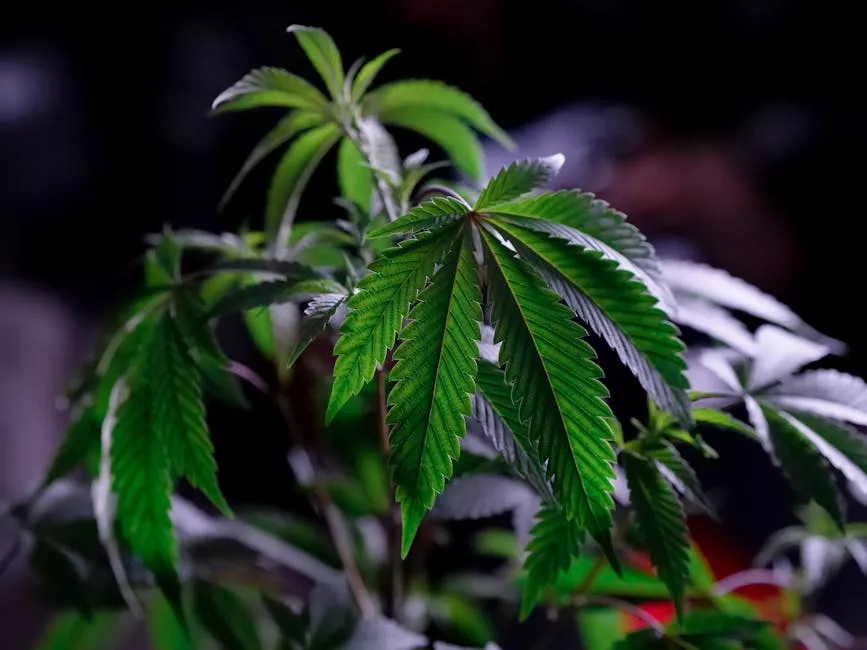
Sri Lanka is reeling from a shocking incident where 22 Buddhist monks were detained after customs officials at Colombo’s main international airport discovered a massive 110kg of high-grade cannabis hidden in their luggage. This unprecedented drug bust, occurring with the involvement of religious figures often regarded as moral compasses in Sri Lankan society, has stirred significant debate and introspection across the nation.
A Surprising Drug Bust
The arrests took place after the monks returned from a trip to Bangkok. During routine screening, customs officials noticed suspicious activity surrounding the monks' luggage. According to a Sri Lanka customs spokesperson, the group, predominantly consisting of junior monks in training from various temples, had ingeniously concealed approximately five kilograms of the drug, known as 'kush,' within the false walls of their bags.
Fallout and National Reaction
In a country where Buddhism plays such a pivotal role in daily life and governance, these arrests are particularly scandalous. The incident has not only tarnished the image of the monastic community but also sparked a widespread discussion about the potential infiltration of criminal activities within religious institutions. There are growing concerns about whether this reflects a larger, more systemic issue of monks engaging in illicit activities under the guise of religious pilgrimage.
Historical Context and Regional Analysis
Buddhism is the dominant religion in Sri Lanka, and monks hold significant influence in cultural and political spheres. Historically, the monkhood, known for its contributions to preserving and spreading Theravada Buddhism, represents spiritual purity and moral guidance. This development, however, challenges these traditional views and raises questions about the current state of the Sangha (community of monks) in Sri Lanka.
Regionally, Southeast Asia has faced numerous challenges concerning drug trafficking, often due to its proximity to major drug-producing areas like the Golden Triangle. The connectivity between countries like Thailand and Sri Lanka could potentially facilitate such illicit activities, making international cooperation essential to tackle drug smuggling effectively.
Geopolitical Implications
This incident could have far-reaching geopolitical ramifications, impacting Sri Lanka’s relations with neighboring Buddhist-majority nations such as Thailand and Cambodia. It may prompt these countries to examine and possibly reassess the procedures and freedoms granted to religious figures within international travel contexts. Furthermore, this case might become a catalyst for the Sri Lankan government to introduce stricter measures and regulations on religious travel to curb such activities.
The Role of Law Enforcement
The Sri Lankan law enforcement agencies' capability and approach will be under intense scrutiny following this significant drug bust. They will need to ensure a balanced approach that upholds the integrity of religious institutions while rigorously enforcing the law. The government may face pressures both domestically and internationally to demonstrate effective governance and zero tolerance towards drug trafficking.
The Path Forward
Moving forward, Sri Lanka could benefit from both domestic reforms within the monkhood and enhanced international cooperation to prevent the recurrence of such incidents. The synergy between domestic policy enforcement and international collaboration could serve as a blueprint for other countries in the region facing similar challenges.
Why It Matters
The arrest of 22 Buddhist monks in Sri Lanka for drug smuggling is a shocking revelation that holds significant importance beyond its immediate legal consequences. This incident raises critical questions about the integrity and vulnerability of religious institutions in Sri Lanka, a nation that prides itself on its Buddhist heritage. It underscores the need for robust mechanisms to monitor religious figures' activities without undermining religious freedoms. Geopolitically, this could strain Sri Lanka's relations with other Buddhist-majority countries, prompting a reevaluation of the liberties afforded to monks traveling internationally. Additionally, this scandal offers an opportunity for Sri Lankan authorities to bolster their law enforcement capabilities, showcasing a commitment to tackling illicit operations and strengthening national security. Observers should watch for potential policy shifts on both domestic and regional fronts in response to this incident.