Myanmar's Aung San Suu Kyi Transitioned to House Arrest Status
Myanmar's ex-leader Aung San Suu Kyi has been moved to house arrest, signaling a potential shift in the country's political landscape.
Defense & Security Editor

A New Chapter in Myanmar's Political Saga
Aung San Suu Kyi, the iconic leader and Nobel Peace Prize laureate of Myanmar, has been transferred to house arrest, as confirmed by the country's military authorities. This development unfolds amid ongoing international scrutiny and domestic unrest following the coup that unseated her in 2021. Her movement from prison to house arrest may indicate subtle shifts in the military's approach to governance and internal stability.
From Political Icon to Political Prisoner
Since her detainment following the military coup in February 2021, Suu Kyi has remained a symbol of Myanmar's thwarted democratic aspirations. Known for her long-standing non-violent resistance against military rule, she was once celebrated as an emblem of democratic struggle in Southeast Asia. Her political journey, marred by multiple periods of detention, encapsulates the tumultuous path of Myanmar's political development.
A Troubled Transition
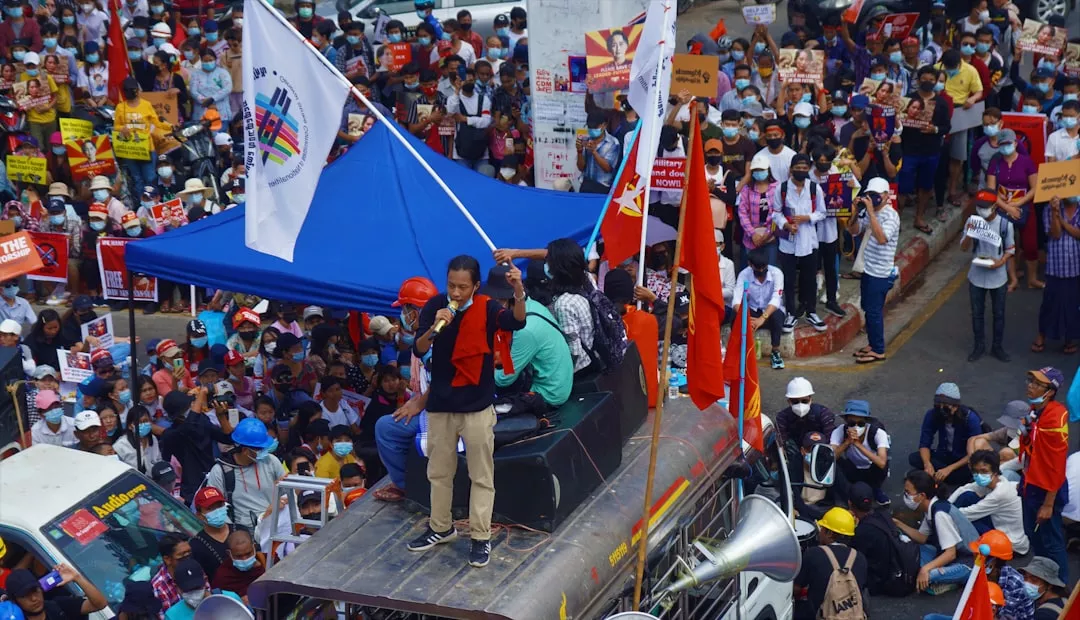
The military coup in 2021 derailed Myanmar's nascent democratic progress, thrusting the nation back into the throes of authoritarianism. The junta's use of force to suppress dissent has drawn widespread condemnation and resulted in international sanctions. Meanwhile, Suu Kyi's prolonged detention has become a touchstone for global human rights discussions, raising questions about the future of political freedoms within Myanmar.
Reactions from the International Community
The announcement of her transfer to house arrest has been met with cautious optimism by some international observers. Critics argue that mere changes in the conditions of her confinement do not amount to substantive political change. However, others suggest it may signal willingness by the military to engage in dialogue with international stakeholders. ASEAN and the United Nations have repeatedly called for her release and the restoration of democratic governance.
The Regional Context
Myanmar's political volatility has ripple effects across the Indo-Pacific region. The country's instability has exacerbated tensions along its borders with countries like Thailand and India, impacting regional security dynamics. Furthermore, Myanmar's status as a geographically strategic entry point renders its internal politics closely watched by global powers with interests in the Indo-Pacific.
Challenges Ahead
As the military government grapples with domestic unrest and international pressure, Suu Kyi's future remains uncertain. Her change of detention status could signal an opportunity for dialogue, though skepticism prevails among many Myanmar analysts. The potential for civil unrest, influenced by both domestic and international actors, remains high as Myanmar stands at a crossroads.
Historical perspectives remind us that Myanmar's path to democracy has been fraught with challenges, and Suu Kyi's story is deeply etched in this narrative. While her movement to house arrest might ease some personal constraints, it does not obscure the ongoing human rights abuses and political oppression facing the nation.
Why It Matters
Why It Matters
The transition of Aung San Suu Kyi from detention to house arrest in Myanmar bears significant geopolitical implications. This development could hint at potential softening in the military's rigid stance, opening avenues for both regional and international diplomatic engagements. However, it is essential for observers to remain vigilant; initial optimism can quickly shift if underlying systemic issues remain unaddressed. The situation calls for careful monitoring of Myanmar's internal political shifts and external diplomatic responses, as they will play a crucial role in shaping the broader stability of the Indo-Pacific region and its alignment with international norms.