Pakistan Super League Faces Oil Crisis: Cricket Without Crowds
Pakistan Super League to proceed sans audience amidst escalating oil crisis, affecting sports and highlighting energy vulnerabilities.
International Relations Correspondent

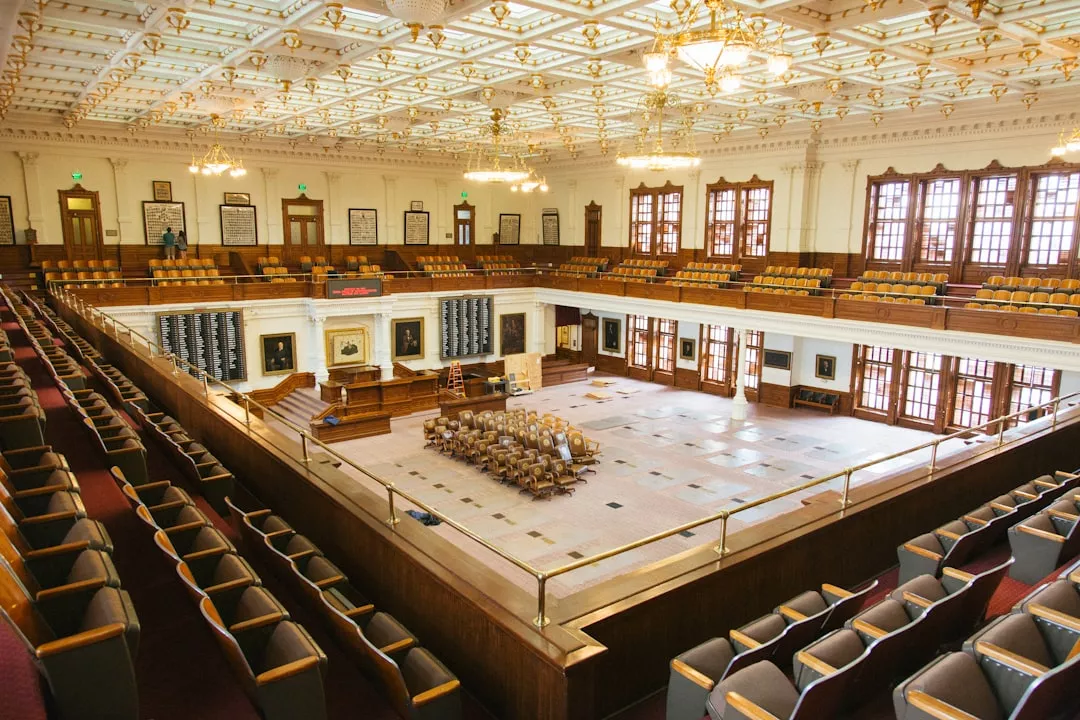
The Pakistan Super League (PSL) is a major event in the cricketing calendar, attracting fans from across the country and beyond. However, this year's festivities will be subdued due to a significant energy crisis enveloping Pakistan. As skyrocketing oil prices strain the nation, the PSL will take place in empty stadiums, set to be held solely at two venues from March 26.
Background and Historical Context
The PSL, launched in 2016, is a professional Twenty20 cricket league in Pakistan that has rapidly grown into a pivotal sporting event. Traditionally, the league is not just a celebration of cricket but a demonstration of national pride, with stadiums filled with enthusiastic fans. However, past years have seen the league disrupted by various challenges, most notably security concerns, which have at times necessitated the relocation of matches.
The current decision to hold the PSL matches without an audience is driven by the soaring cost of oil, which forms the backbone of many logistical operations. Such financial strains come at a time when Pakistan is grappling with broader economic challenges, including inflation and foreign exchange shortages.
The Oil Crisis
Pakistan's oil crisis is part of a global issue affecting nations reliant on oil imports. The spike in global oil prices, influenced by geopolitical tensions and post-pandemic recovery demands, has ramped up costs. For Pakistan, an energy-importing country, this situation has exacerbated existing economic difficulties, leading to government austerity measures affecting public events.
Empty stadiums may become a symbol of the times—where government priorities and fiscal constraints overshadow public entertainment in favor of maintaining economic stability. The oil-dependent economy is pushing towards finding alternative energy resources, but transitions are slow, and the interim period demands sacrifices like those seen in the PSL arrangements.
Regional Perspectives and Geopolitical Implications
The decision to host the PSL without fans has ramifications beyond sport. Cricket is deeply interwoven with the socio-political fabric of Pakistan and the broader South Asian region. Fans from neighboring countries also partake in the festivities, often visiting Pakistan during match seasons, affecting tourism revenue.
On a broader scale, the Middle East, a major oil-exporting region adjacent to Pakistan, plays a crucial role in the pricing and availability of oil. Any fluctuation in production or political stability in this region directly impacts South Asian economies' dynamics, particularly for nations like Pakistan that rely heavily on oil imports.
Geopolitical tensions, such as those seen between oil-producing nations or with powers like the United States, can ripple through economies, causing repercussions such as those impacting the PSL.
The implications are not just economic but extend to diplomatic relations. How Pakistan navigates this crisis, potentially by seeking new civic arrangements or trade agreements, could redefine its foreign partnerships.
Impacts on Cricket and Global Sports
This situation mirrors challenges faced by sports leagues globally amidst geopolitical crises. From the FIFA World Cup to the Olympics, major sports events have increasingly had to adapt to unforeseen global pressures, be it political, environmental, or economic. This adaptability points to a broader trend where sports, a universal language, become intertwined with global affairs, reflecting the world’s fragility and interconnectivity.
Why It Matters
The hosting of the Pakistan Super League (PSL) in empty stadiums underscores broader global energy vulnerabilities. As Pakistan faces one of its severe oil crises, the decision reflects the growing interconnection between sports, economic policies, and geopolitical pressures. The oil crisis situation in Pakistan highlights the delicate balance countries must maintain between providing for public leisure and prioritizing economic stability.
This event serves as a microcosm of global challenges where energy dependence intersects with national interests. Looking ahead, the PSL's adjustments could prompt Pakistan to explore energy diversification to buffer against similar future disruptions. This shift may influence Pakistan's diplomatic stances, potentially steering towards partnerships that offer energy security. Observers should watch how these dynamics could shape regional alliances and energy policy reforms.