Nigerian Conflict: Land, Identity, and the Struggle for Peace
An in-depth exploration of the violent conflict in Nigeria's Plateau state, driven by land disputes, cattle rustling, and identity struggles.
International Relations Correspondent
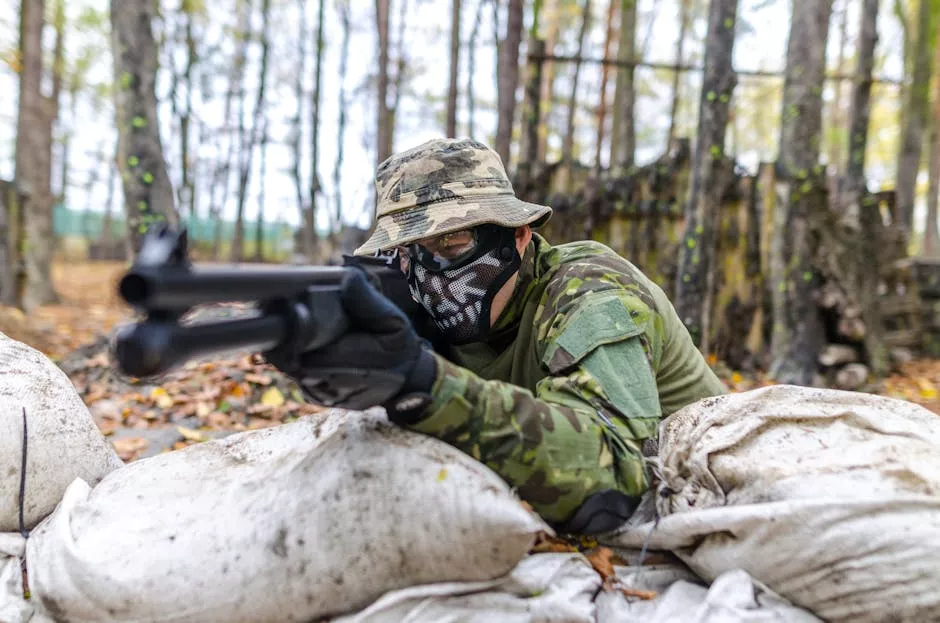
The landscape of Nigeria's Plateau state is marred by a deadly conflict that intertwines land disputes, cattle rustling, and deeply rooted identity issues. This ongoing violence reflects larger socio-political dynamics and has significant implications for regional stability.
Historical Context
The conflict in Plateau state is reflective of Nigeria's complex history of ethnic and religious tensions. Historically, Plateau has been a microcosm of Nigeria's diverse culture, housing over 50 ethnic groups. The region's commercial importance due to fertile land for agriculture has also made it a focal point for contention. Over the years, population growth and climate change have exacerbated competition over land, pitting primarily Christian farming communities against mostly Muslim Fulani herders. This longstanding feud has deep historical roots and is further complicated by colonial-era boundaries and post-independence political decisions.
Regional Perspectives
The conflict extends beyond mere communal clashes; it encompasses the wider geopolitical and socio-economic matrix of the West African region. The Fulani herders, part of the vast Sahelian ethnic group, traverse borders across West Africa, making their involvement a cross-national affair. Furthermore, these clashes have been symbolically represented as a religious struggle, creating a narrative that draws in regional and international attention. Neighboring countries, some of whom face similar issues, watch closely as a potential spillover effect could destabilize the region further.
Role of Security Forces and Government
The lack of trust in the often underfunded and overstretched Nigerian security forces has perpetuated the cycle of violence. Numerous reports highlight how security operations have been reactive instead of preventive, often showing bias that favors one group over another. The Nigerian government's challenge is multifaceted: rebuilding trust, ensuring justice, and implementing a cohesive policy that addresses both security and socio-economic grievances.
Geopolitical Implications
The Plateau conflict illustrates broader geopolitical tensions involving governance, resource allocation, and the effects of climate change. The Nigerian government's handling of the situation serves as a litmus test for its capability to manage internal conflicts which have a domino effect on stability in the West African subregion. International bodies and Nigeria's partners are compelled to monitor and potentially mediate as the conflict poses a threat not only to regional peace but also to economic productivity, given Nigeria's pivotal role in Africa’s economy.
As Nigeria seeks peace, the tenet 'peace is a gradual thing' resonates profoundly. Sustainable peace will require a multifaceted strategy — involving reconciliation, justice, and development — crafted with the realities on the ground in mind. It’s a strategic imperative not only for Nigeria but for the stability of Africa at large.
Why It Matters
The ongoing conflict in Nigeria's Plateau state holds significant geopolitical consequences. It mirrors the complex interplay between ethnic identity, resource competition, and historical grievances seen in many parts of the world. The potential for broader regional destabilization is concerning, given Nigeria's prominent role in Africa's economy and politics. The global community should remain vigilant, as the implications of Nigeria's internal struggles reverberate beyond its borders, affecting migration patterns, regional trade, and security dynamics. The conflict is a critical reminder of how localized tensions can escalate into significant geopolitical challenges, emphasizing the need for comprehensive conflict resolution efforts and international cooperation.