New Wave of Ship Attacks Intensifies Tensions in the Strait of Hormuz
A surge in attacks on vessels has escalated tensions in the Gulf, impacting global oil supply routes.
Middle East & Diplomacy Specialist
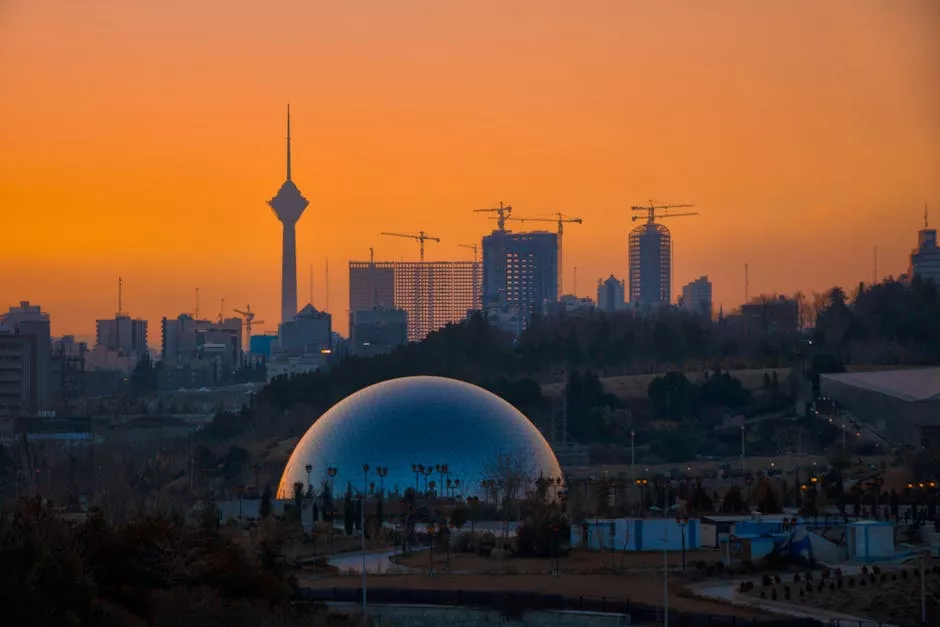
The Strait of Hormuz, the world’s most crucial oil chokepoint, is once again at the center of escalating tensions as six ships have reportedly come under attack in the Gulf within a span of less than 48 hours. The strait, a strategic artery through which nearly one-fifth of global oil trade flows, has now seen a total of 18 vessels attacked since the onset of the recent conflict. These attacks have heightened concerns about the security of maritime routes and the stability of oil markets worldwide.
Historical Context and Strategic Importance
The Strait of Hormuz has long been a flashpoint of geopolitical tension. Nestled between Iran and Oman, this narrow passageway has historically been a focal point due to its strategic significance for global energy supplies. Control over the strait has been a contentious issue, with regional powers and global superpowers alike vying for influence in the area. Past conflicts, including the Iran-Iraq War and the tensions following the U.S. withdrawal from the Iran nuclear deal, have often brought these waters to the brink of conflict.
Regional Perspectives
Recent attacks have ramped up the already strained relations between Iran and several Gulf states, whose vessels have been targeted. Iran has denied involvement, attributing the violence to external actors aiming to destabilize the region. Nonetheless, neighboring countries, including Saudi Arabia and the United Arab Emirates, have increased security measures, calling for enhanced international cooperation to safeguard maritime navigation.
Meanwhile, regional organizations and defense alliances are mobilizing to respond to these persistent threats. The Gulf Cooperation Council has expressed its alarm, calling for both diplomatic and military strategies to ensure the free passage of oil tankers. Additionally, the United States has increased naval patrols as part of an international coalition aimed at securing vital shipping corridors.
Geopolitical Implications
The repercussions of these ship attacks extend far beyond regional borders. The interruption in oil traffic through the Strait of Hormuz could trigger a significant hike in global oil prices, with ripple effects on international markets. This scenario threatens to destabilize already fragile economies, particularly those heavily dependent on energy imports.
The potential for broader conflict looms large, as military escalation could involve major global powers with vested interests in the Gulf. Strategic alliances are being tested, with potential consequences for international agreements, economic sanctions, and military cooperation in the region.
Moreover, this situation underscores the volatility of key maritime routes and the complexities of ensuring their security amidst evolving geopolitical rivalries. The ability of diplomatic channels and international law to address such maritime governance issues remains a critical question.
The Role of International Community
The international community's response to these recent hostilities will likely shape future geopolitical dynamics in the Gulf. Countries with significant economic stakes in the region, including China, Japan, and the European Union, are closely watching the developments, considering their energy security and foreign policy strategies.
Efforts to mediate ceasefires and encourage dialogue are essential to de-escalating the situation. However, the underlying issues — including territorial disputes, economic sanctions, and ideological hostilities — require long-term solutions aligned with broader regional and global interests.
Why It Matters
The recent wave of ship attacks in the Strait of Hormuz is a stark reminder of the fragile nature of global energy security. As one of the world's most vital energy transit points, any instability in this region has profound consequences for international energy markets and geopolitical stability. The repercussions could lead to increased military presence by global powers, elevated oil prices, and potentially strained diplomatic relations. Going forward, stakeholders must focus on diplomatic engagement and regional collaboration to mitigate the risk of further escalation. Observers should pay close attention to responses from global powers, shifts in oil prices, and moves towards diplomatic resolutions aimed at ensuring maritime safety and stability in the Gulf.