Controversy Erupts Over Roger Stone's Myanmar Lobbying Ties
Roger Stone faces backlash for lobbying services to Myanmar's military junta amidst ongoing human rights concerns.
International Relations Correspondent
In a development that has stirred significant controversy and criticism, Roger Stone, a well-known Republican lobbyist and confidant of former President Donald Trump, has come under fire for his role in lobbying on behalf of Myanmar's military junta. Reports indicate Stone is being compensated at a rate of $50,000 per month to rehabilitate relations between Washington and Myanmar's government, which came to power through a 2021 coup.
Historical Background: The 2021 Myanmar Coup
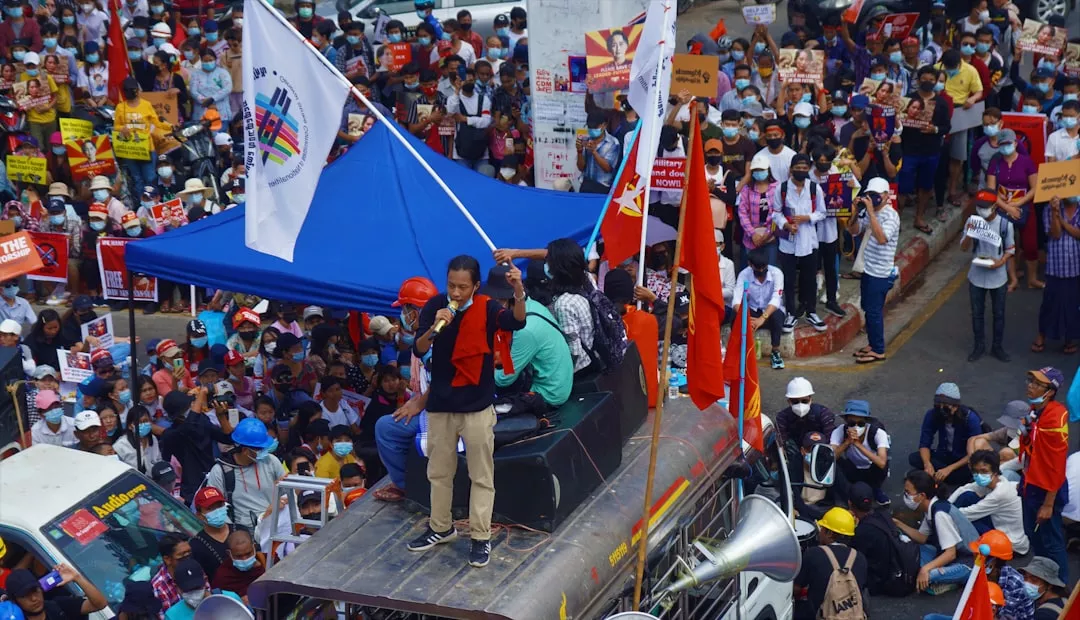
Myanmar, formerly known as Burma, has endured a tumultuous history marked by long periods of military rule, lifting a veil over its democratic aspirations. In February 2021, the military, known as the Tatmadaw, orchestrated a coup that dismantled the democratically elected government led by Aung San Suu Kyi's National League for Democracy. This move was met with international condemnation and a spate of human rights accusations that include allegations of war crimes.
The military's actions, according to rights groups and international observers, have led to the erosion of civil liberties, widespread violence, and credible reports of atrocities. The military junta's recent attempts to normalize these conditions through orchestrated elections have been labeled as shams, further isolating the regime globally.
Roger Stone's Role and International Reactions
Roger Stone's involvement has reignited concerns over ethical lobbying practices and the moral obligations of international dealings. Stone, known for his unapologetic style and storied political history, now joins a roster of political actors advocating for a government widely regarded as illegitimate by international communities.
Political analysts argue that Stone's contract represents an attempt by Myanmar’s junta to soften international opposition and gain legitimacy. However, many fear that such lobbying efforts could undermine international sanctions and human rights campaigns focused on the state-controlled abuses.
Geopolitical Ramifications
Myanmar is strategically positioned within the Indo-Pacific, a region that historically experiences geopolitical tensions involving major powers like China and India. The junta's relationship with China, in particular, is of critical importance, as Beijing has provided both overt and covert support to Myanmar, often complicating diplomatic relations among ASEAN nations.
Roger Stone’s efforts may also hint at an underlying shift in Myanmar’s diplomatic engagements, possibly moving towards diversifying its international partners beyond its current heavy reliance on China. However, Stone’s controversial lobbying is likely to be met with skepticism, given the junta’s track record.
International Response and Future Implications
Globally, Stone's actions have prompted significant outrage, particularly among human rights groups and within diplomatic circles. Observers continue to question whether this will lead to policy shifts in U.S. foreign policy under the Biden administration or strengthen existing sanctions against Myanmar.
While Myanmar seeks to navigate its isolation, the broader implications of such lobbying efforts may see other similarly positioned states emboldened to pursue clandestine means to regain international standing, posing challenges to global human rights advocacy.
Why It Matters
Why It Matters
The controversy surrounding Roger Stone’s lobbying work for Myanmar’s military junta underscores significant ethical questions in international relations. At its core, this situation reveals the complex interplay between diplomacy and ethics, where foreign policy maneuvers may potentially contradict global human rights objectives. This matter exemplifies larger questions about how democratic nations engage with non-democratic regimes and raises awareness of lobbying's potential role in altering geopolitical alignments. Looking ahead, this issue may prompt more stringent regulation of international lobbying practices and advocate for stronger diplomatic efforts to support Myanmar's democratic forces.