Lib Dems Aim to Balance Political Extremes Amid Local Gains
Lib Dems claim election gains can counter Reform UK's and Greens' extremes.
Senior Geopolitical Analyst
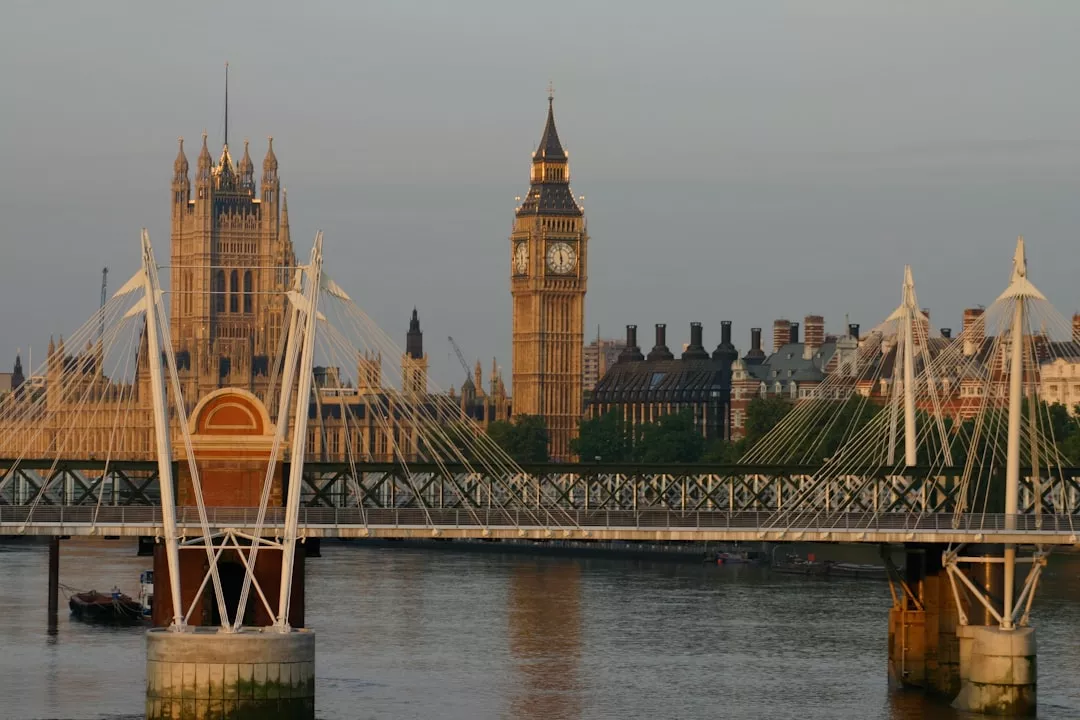
In the aftermath of the 2026 local elections in the United Kingdom, the Liberal Democrats (Lib Dems) have emerged with a renewed strategic focus. Under the leadership of Ed Davey, the party has managed significant gains in key areas such as Portsmouth and Richmond-upon-Thames, albeit at the cost of losing a stronghold in Scotland. These results are not just about changing council compositions; they are part of a larger narrative woven around the current state of British politics where center-ground politics are being challenged by more extreme ideological shifts represented by parties like Reform UK and the Greens.
Election Results and Key Outcomes
The elections saw Lib Dems gaining control of the Portsmouth city council, which previously had no overall control, marking a significant victory against Reform UK's growing influence. In Richmond-upon-Thames, the Lib Dems fortified their standing, underscoring their appeal in traditionally Liberal-friendly zones. However, the party also faced setbacks, notably losing a key stronghold in Scotland, which reflects the complex electoral map they must navigate.
Elsewhere, Labour faced a tough night, described as disastrous by many analysts, which benefitted not only the Conservatives in certain areas but offered political opportunities for the Lib Dems to position themselves as a centrist alternative.
Historical Context
The Liberal Democrats have always thrived as a centrist party offering a moderate voice in UK politics. Historically, periods of disenchantment with the mainstream Labour and Conservative parties have provided openings for the Lib Dems to push through. The emergence of Brexit and ensuing political shifts have however complicated this dynamic. Ed Davey's current positioning suggests an effort to reclaim that centrist centrality against what he terms the 'extremes' presented by newer, rapidly growing parties like Reform UK and the Greens.
The Rise of Reform UK and Greens
Formed out of the Brexit zeitgeist, Reform UK has sought to capitalize on nationalist and populist sentiments, drawing in voters disillusioned by conventional politics. Meanwhile, the Greens have managed to rally around climate consciousness, gradually absorbing voters interested in urgent environmental action. Both parties represent a challenge to the center-ground, driving Lib Dems to confront what they describe as populism and extremism.
Regional Perspectives
The victories and losses experienced by the Lib Dems are symptomatic of broader regional and national trends. In urban areas like Portsmouth, where voters have complex concerns around infrastructure and social services, the Lib Dems' pragmatic approach has found resonance. Conversely, in parts of Scotland, nationalist sentiments and a stronger emphasis on distinct local issues have tilted preferences away from mainstream unionist parties, including the Lib Dems.
Geopolitical Implications
The results of these elections carry implications beyond British shores. With negotiations around the UK's post-Brexit positioning continuing, maintaining a stable political environment is crucial. A strong centrist presence like the Lib Dems can provide a moderate, stabilizing influence in the volatile landscape of British politics, offering a counter-narrative to the starkly polarized positions on national issues. This influences not only domestic policy but the UK's standing and negotiations with international partners.
Why It Matters
Why It Matters
The political pendulum in the UK seems to be swinging with greater momentum than usual, presenting challenges and opportunities for centrist voices like the Liberal Democrats. As the landscapes of British politics evolve, the ability of traditional parties to adapt without veering into extremities becomes critical. The gains by the Lib Dems may signal an appetite for moderated policies among the electorate, which could influence not just domestic political strategies but also international perceptions of a post-Brexit Britain. Readers should watch how this balance impacts UK's policy directions, both internally and in its global interactions.