Labour Faces Election Losses as UK Enters Multiparty Era
Historical losses for Labour expected amid rising Reform U.K. influence, signifying a shift in UK politics towards multiparty dynamics.
Senior Geopolitical Analyst
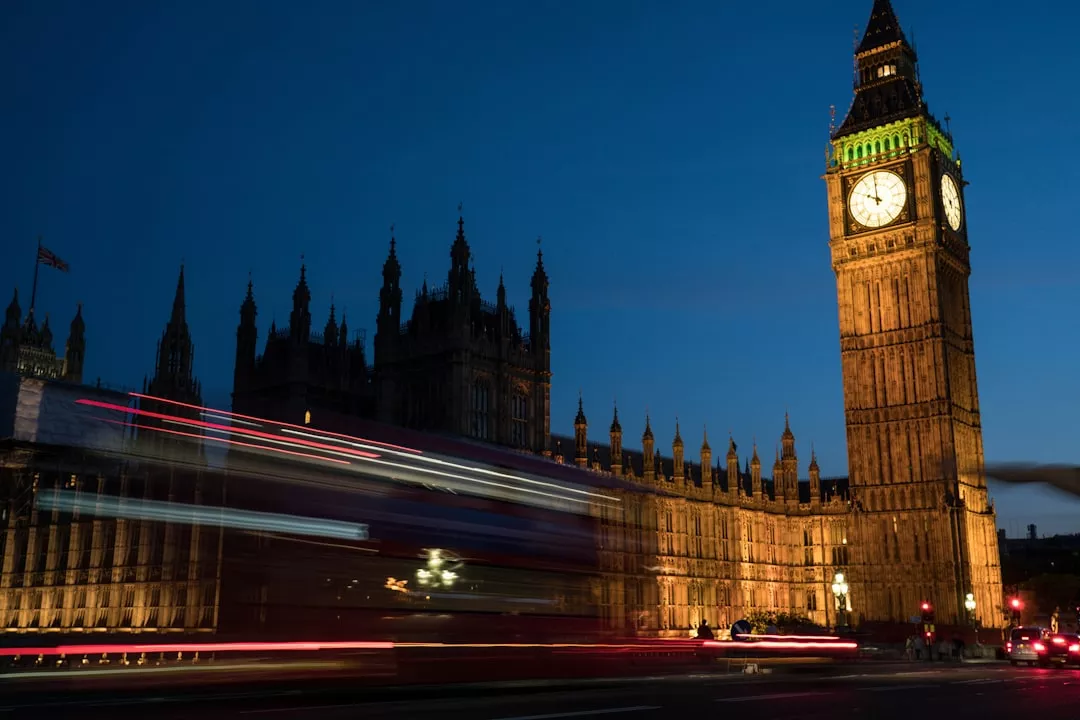
The British political landscape is on the brink of a transformative shift as Prime Minister Keir Starmer braces for potential historic losses in the upcoming local elections. Polls indicate significant setbacks for the Labour Party, undermining its stronghold amid growing support for the anti-immigrant Reform U.K., illustrating the changing dynamics of British politics.
Changing Electoral Winds
This anticipated shift signals the dawn of a new era, characterized by a move away from the traditional two-party system that has long dominated British politics. Recent polling data predict that Reform U.K., a party emerging with a platform focused on stringent immigration control, is poised to secure substantial gains. This development has created ripples across the political spectrum, challenging Prime Minister Starmer's efforts to maintain significant influence within the electorate.
Historical Context
The United Kingdom has historically relied on a predominantly two-party system, where Labour and the Conservatives have alternated power. However, periodic shifts have unveiled voters' willingness to explore alternatives, particularly during times of socio-economic discontent. The emergence of Reform U.K. echoes previous patterns witnessed with parties like the Liberal Democrats and the United Kingdom Independence Party (UKIP), both of which managed to capture public sentiment disillusioned with mainstream politics.
Moreover, the current political climate is reminiscent of the early 20th century, when the Labour Party first rose to prominence, displacing the Liberal Party as one of the two major parties. Today, similar dynamics could reshape the political order yet again.
Regional Perspectives
The shifting political tides in the UK resonate with broader European trends where nationalist and right-wing parties are gaining traction amidst ongoing debates about immigration, sovereignty, and identity. Reform U.K.'s growing appeal highlights a public discontent with existing immigration policies, echoing sentiments found across the continent, from Marine Le Pen's National Rally in France to Lega in Italy.
Additionally, Scotland's move towards independence and Northern Ireland's unique position post-Brexit are pivotal in understanding the broader implications of the multiparty scenario in the UK. These regional nuances add layers of complexity to the electoral landscape, influencing Labour's traditional bastions and potentially eroding its support base.
Geopolitical Implications
The rise of Reform U.K. not only shakes domestic politics but also carries significant geopolitical ramifications. As the UK navigates post-Brexit realities, shifts in domestic sentiment could impact its negotiating power on the international stage. The looming electoral losses for Labour might lead to policy shifts that prioritize national over international interests, potentially impacting the UK's alliances and global economic strategies.
Internationally, this political change could alter the UK's approach to global governance, its stance within NATO, and its relationship with the European Union. The emphasis on immigration and national identity could steer the country towards more isolationist policies, affecting everything from trade agreements to defense collaborations.
Why It Matters
Why It Matters: The anticipated electoral losses for Labour under Keir Starmer underscore a crucial pivot in UK politics towards multiparty representation. This shift could recalibrate the country's domestic and foreign policy priorities significantly. The rise of parties like Reform U.K. reflects a growing public demand for restrictive immigration policies, potentially reshaping the UK's role on the global stage by prioritizing national interests over broader international engagement.
Globally, such developments could influence European stability and the strategic alliances that underpin NATO, especially amid current security concerns in Eastern Europe. Observers should watch for how these political changes will impact the UK's post-Brexit dealings, international trade agreements, and its broader geopolitical strategy. The key takeaway is that UK politics is poised for transformative change with implications resonating far beyond its borders.