Kenya's Growing Struggle with Political Gangs and Election Violence
Kenya faces rising political violence as over 100 gangs operate nationwide, posing election-related threats.
International Relations Correspondent
Amid mounting fears of political violence, Kenya is grappling with the proliferation of organized gangs orchestrated by political figures. Over 100 gangs are reported to be operating nationwide, and their activities intensify during election periods as political tensions rise. This alarming trend signals a critical juncture for Kenya, where democratic processes are increasingly under threat from orchestrated political thuggery.
Historical Context and Root Causes
Kenya has a long and tumultuous history of political violence, often rearing its head during electoral cycles. The 2007-2008 post-election violence remains etched in the national memory, having resulted in significant loss of life and property. Since then, political actors have learned to harness the power of gangs to intimidate opponents and influence election outcomes. This cycle is perpetuated by ethnic divisions, economic disenfranchisement, and systemic corruption, which provide fertile ground for gang recruitment.
The Role of Gangs in Political Machinations
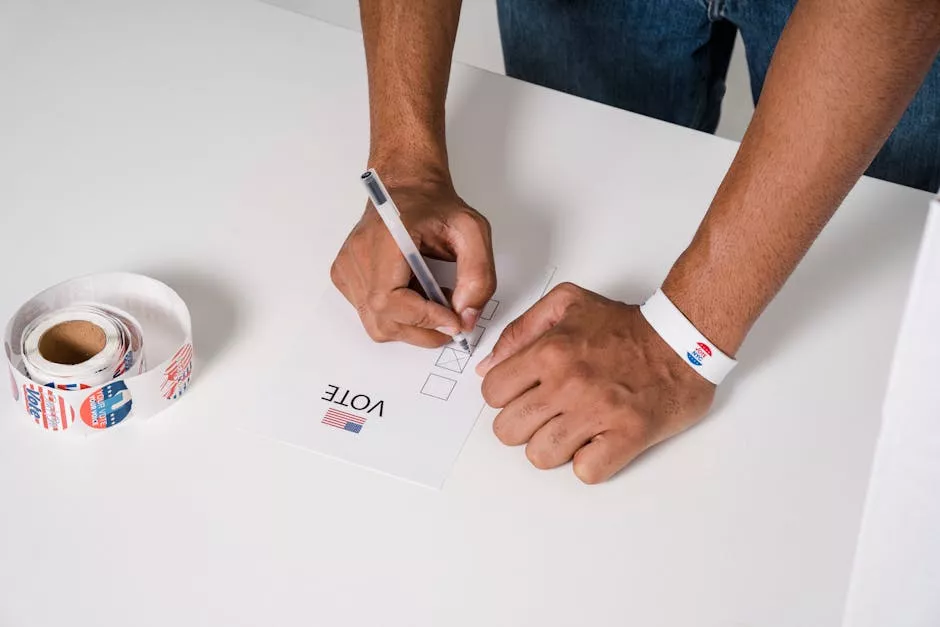
Political figures in Kenya have been known to mobilize gangs to secure votes and disrupt opposition campaigns. These groups are employed to control polling stations, intimidate voters, and sometimes engage in violent confrontations with rival factions. The presence of these gangs during election periods underscores a troubling pattern where political outcomes are determined not solely by ballots, but also by force and coercion.
Impact on Democratic Institutions
The continuing involvement of gangs in Kenya's political process jeopardizes the integrity of its democratic institutions. The use of violence and intimidation tactics creates an environment of fear and skepticism among the electorate, leading to lower voter turnout and undermining public confidence in the electoral system. Moreover, this culture of impunity erodes the rule of law, as those responsible for orchestrating violence often escape accountability.
Regional and International Perspectives
Kenya's struggle with political violence is not an isolated issue. Across Africa, several nations face similar challenges, as political leaders employ gangs for personal gain. This pattern of violence affects the region's stability and development, with international observers expressing concern over the potential for widespread unrest. The African Union and other international bodies continue to monitor the situation closely, wary of its potential to inflame regional tensions.
Efforts to Curb the Menace
The Kenyan government, alongside nongovernmental organizations, is working tirelessly to combat the influence of gangs in politics. Initiatives to enhance police capabilities, strengthen judicial systems, and promote civic education are underway, aimed at fostering a more peaceful political landscape. Despite these efforts, the deeply entrenched nature of political violence in Kenya proves challenging, requiring sustained and comprehensive interventions.
Geopolitical Implications
Kenya's political stability is pivotal for East Africa's economic growth and geopolitical alignment. As a regional powerhouse, Kenya's challenges with election violence could reverberate across neighboring countries, influencing perceptions of stability and investment. There is a pressing need for the international community to support Kenya's democratic institutions, helping to safeguard against this growing threat.
Why It Matters
The escalation of political violence in Kenya has profound geopolitical implications for the region and beyond. Kenya is a key player in East Africa, a hub for trade and diplomatic engagement. Instability within its borders can disrupt regional security architectures and economic cooperation agreements. Globally, it challenges narratives of democratic progress in Africa. Stakeholders should monitor upcoming elections for any signs of manipulation or unrest. Supporting civil society organizations and boosting Kenya's institutional resilience will be crucial in the lead-up to elections. The international community must uphold accountability mechanisms to deter political violence and foster a transparency-driven political culture.