Iranians Voice Perspectives Amidst Escalating Middle East Conflict
Iranians share insights after a week of conflict, revealing sentiments and hopes amid regional turbulence and the future of their nation.
Defense & Security Editor
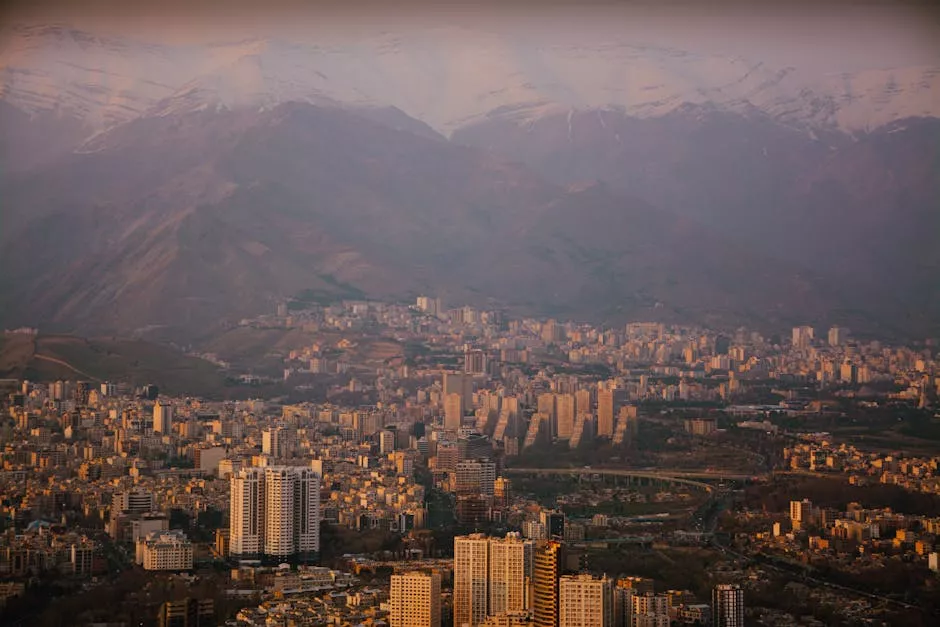
The sound of conflict reverberates across the Middle East, casting a shadow over Iran as citizens navigate the tumultuous landscape following a week of intense fighting. Conversations with Iranians from diverse backgrounds reveal a nation grappling with uncertainty and a desire for stability in a region marked by volatility.
Historical Context
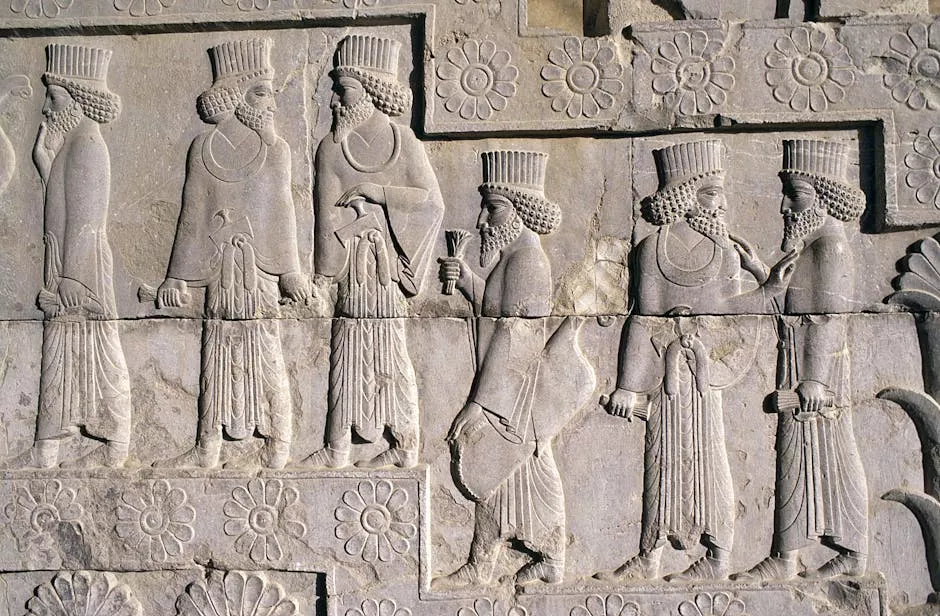
Iran's history is steeped in a complex narrative of political upheaval and regional influence. From the 1979 Islamic Revolution to its current role as a key player in Middle Eastern geopolitics, Iran's trajectory has been shaped by both internal dynamics and external pressures. The country's engagement in regional conflicts, such as in Syria and Iraq, underscores its strategic importance and the intense scrutiny it faces from global powers like the United States and regional rivals like Saudi Arabia.
Ordinary Voices Amidst Extraordinary Times
In Tehran, a university student voiced her apprehensions: "Every day feels like walking on a tightrope. We're constantly bracing for what comes next, hoping for a future filled with opportunities and peace." Her sentiments echo across the nation as citizens contend with the dual pressures of economic sanctions and military tensions.
An older businessman in Shiraz expressed frustration over the impact of international sanctions on the economy, which have escalated in tandem with current hostilities. "We feel the pinch every day," he laments. "Yet, there's a resilience in us, a hope that we can turn things around." This resilience is a common thread that binds the Iranian populace despite diverse opinions on the government's foreign policy.
Regional Perspectives and Geopolitical Implications
Iran's regional strategies have long been a point of contention, contributing to its complicated relationships with neighboring countries and global powers. The current conflict has intensified these dynamics, as regional actors like Israel and Saudi Arabia monitor Iran's moves with heightened vigilance.
Additionally, Iran's reliance on proxy forces in Lebanon, Yemen, and elsewhere illustrates a strategy often perceived as a means to assert influence without direct confrontation. However, this approach risks further escalation, drawing Iran into an ever-deepening web of alliances and enmities.
The Broader Global Impact
The unfolding situation has significant implications beyond the region. Energy markets, already sensitive to fluctuations, watch Iranian developments closely, with any instability threatening global oil prices. The potential for conflict to spill over borders concerns international stakeholders wary of a broader confrontation involving major powers.
For Iranians, the path forward remains unclear. Conversations around reform and engagement with the international community highlight a desire for change. Yet, reconciling this with entrenched ideological positions poses a significant challenge.
Analysts suggest that Iran's leadership may seek to adopt a dual approach of maintaining strategic defense while exploring diplomatic openings. This balancing act will determine Iran's future role on the global stage and its ability to foster domestic growth amidst external pressures.
Why It Matters
The unfolding conflict in the Middle East carries significant geopolitical weight, impacting regional and global dynamics. Iran's central role highlights its strategic importance, with any escalation potentially affecting global energy supplies and triggering wider regional confrontations. International actors must navigate a complex web of alliances and rivalries, balancing deterrence with diplomacy. As tensions rise, the international community should monitor Iran's domestic responses and potential shifts in its foreign policy strategy. Continued instability risks exacerbating humanitarian crises and destabilizing an already volatile region, necessitating concerted diplomatic efforts to foster dialogue and reduce tensions.