Iranian Strikes Inflict $800M Damage on US Bases: What It Means
Iranian retaliatory strikes on US bases post-Israel operation led to $800M in damages, highlighting escalating regional tensions.
Senior Geopolitical Analyst
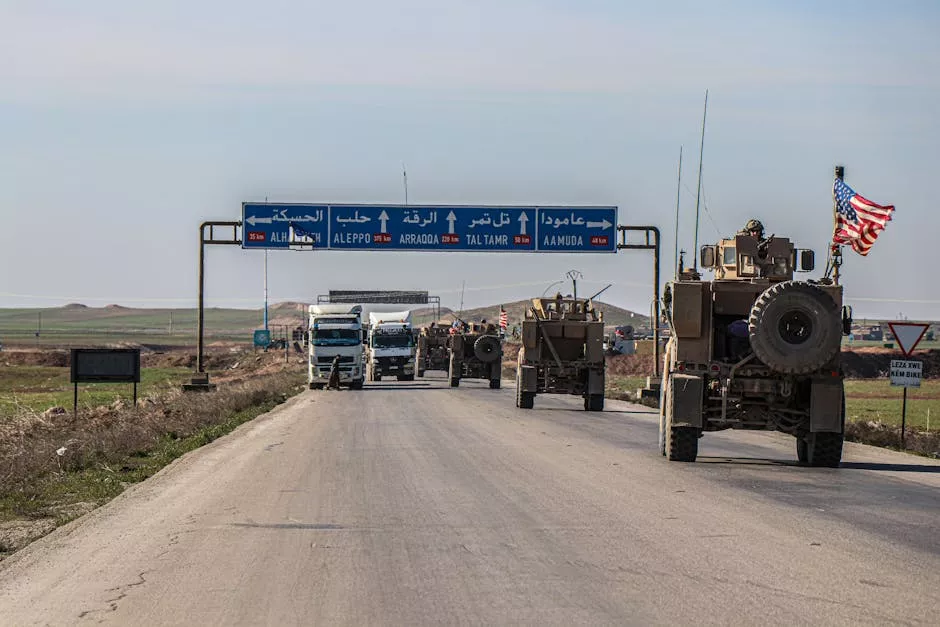
The recent findings on the financial toll exacted by Iranian military strikes on US-operated bases reveal a staggering $800 million worth of damage. This new analysis sheds light on the extensive costs of retaliatory actions triggered by Iran in response to a US-Israel operation. This situation underscores the volatile nature of geopolitical engagements in the Middle East, a region perennially on the precipice of conflict.
Historical Context: A Long-Standing Tension
Iran's strategic military response did not materialize in isolation; rather, it was a continuation of a longstanding geopolitical discord between Iran on one side and the United States and its ally, Israel, on the other. The origins of this antagonism date back decades, interwoven with ideological, political, and economic fabrics that have shaped U.S. and Iranian interactions over time.
The hostile phase escalated markedly in recent years, following decisions such as the U.S. withdrawal from the Iran nuclear deal, formally known as the Joint Comprehensive Plan of Action (JCPOA), in 2018. This development exacerbated tensions, leading to increased economic sanctions that crippled Iranian economic capabilities but also hardened its military stance.
Regional Perspectives: The Middle Eastern Powder Keg
The broader Middle East region remains an intricate web of alliances and enmities, with Iranian attacks serving as a stark reminder of its destabilizing potential. Countries like Saudi Arabia and the UAE view Iranian military capabilities warily, understanding that they themselves are potential targets.
On the other hand, Syria and Hezbollah in Lebanon remain critical supporters of Iranian actions, bolstering Iran's agenda through military and political channels. This division underscores the polarizing influences within the Middle East, where alliances are often tested, and borders are both literal and ideological battlegrounds.
Geopolitical Implications: A Cautious Path Forward
The scale of destruction highlights the significant financial and strategic costs of escalating military engagements. For the U.S., replacing damaged assets and maintaining a strategic presence without bolstering hostilities will require a fine balancing act. Within Tehran, these strikes are celebrated as a demonstration of Iranian resilience and military prowess.
Both nations face domestic and international pressure to restrain their actions and foster stability. The ongoing challenges underline the necessity for renewed diplomatic dialogues, possibly reviving conversations akin to the once-promising JCPOA framework. Regional security depends acutely on finding constructive platforms to de-escalate tensions, emphasizing diplomacy over warfare.
As the Middle East remains a focal point of international geopolitical interests, global powers have a vested interest in preventing further deterioration. Ensuring regional stability is increasingly seen as pivotal to global energy security, supply chains, and broader market stability.
Conclusion: Watching the Middle East
This unfolding situation serves as a reminder of the fragile peace that hovers over the Middle East. Nations and alliances must tread carefully, acknowledging the heavy costs of military conflict while promoting avenues for peace and cooperation.
Why It Matters
The Iranian strikes and resultant damages serve as a significant barometer for the ongoing volatility in Middle Eastern geopolitics. This event underscores the effective capabilities of Iranian military forces, while concomitantly spotlighting vulnerabilities within US strategic deployments. The broader implication is a potential recalibration of military and diplomatic tactics from both the US and Iran.
This is significant as it not only affects regional power balances but also global political strategies, with other nations keenly observing the outcome to tailor their engagements. The incident reinforces the need for diplomatic channels to remain open, advocating for dialogue rather than conflict to resolve outstanding geopolitical disputes.
Moving forward, global watchers should monitor any fresh developments in US-Iran relations, the US's strategic repositions in the region, and potential escalations that could disrupt international peace and security. The overarching concern remains preventing a chain reaction that exacerbates further regional instability.