Iranian Media's War Coverage: Propaganda and Perceptions
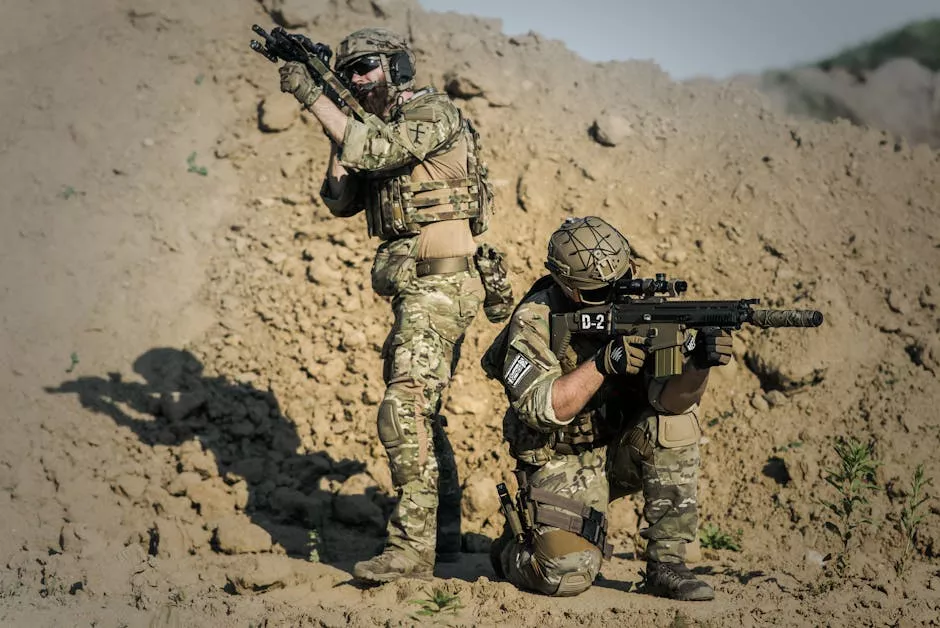
Iran's state media frames the war through inflated enemy losses and manipulated imagery, projecting a narrative that seeks to bolster national pride and influence perceptions.
Senior Geopolitical Analyst
Introduction: The Role of Iranian State Media
In the complex web of global conflicts, the dissemination of information plays a crucial role in shaping perceptions. Iranian state media has been at the forefront of this narrative war, particularly in its coverage of ongoing conflicts. By meticulously crafting stories that often inflate enemy casualties and manipulate digital content to glorify Iranian resilience, state media seeks to assert a narrative that bolsters national pride and influences regional sentiment.
Historical Context: Media as a Tool for Influence
Since Iran's 1979 Islamic Revolution, state-controlled media has been a powerful tool for the government to project its ideological stance both domestically and abroad. Throughout various conflicts, from the Iran-Iraq war to recent regional military engagements, Iranian media has consistently portrayed Iran as a formidable force against external threats. This historical precedent sets the stage for the current portrayal of the war in question.
Regional Perspectives: A Double-Edged Sword
Within the Middle East, media narratives can significantly alter public opinion and diplomatic relations. Iranian state media's portrayal of conflicts often positions the nation as a defender of Islamic values against Western imperialism, a narrative that can resonate in some regional contexts but provoke skepticism in others. Neighboring countries, wary of Iran's regional ambitions, may view such media tactics as expansive propaganda, further entrenching political divides.
Geopolitical Implications: Shaping International Perceptions
Iran's strategic use of media extends beyond regional boundaries, aiming to influence global perceptions and counter narratives from Western and other regional powers. By inflating enemy casualties and digitally enhancing images that demonstrate their military might, Iran aims to position itself as a strong, capable nation that can stand against perceived global adversaries. This has implications for international diplomacy, as countries must navigate these crafted narratives amidst the reality on the ground.
Media Tactics: Digital Manipulation and Messaging
Digital manipulation is not a novel tactic in modern warfare. Iranian state media's use of altered photographs and footage seeks to create a visual testament to Iran's purported military successes and valor. Such images, widely disseminated across social media platforms, can quickly shape the perceptions of millions, presenting a version of events that may not align with more independent reports. This digital strategy works to galvanize domestic support and project power beyond its borders.
Conclusion: A Narrative of Resilience
As conflicts persist, the narratives shaped by state media become a pivotal element of national strategy. For Iran, crafting a tale of resilience and valor is not just about fortifying national pride but also about leveraging these narratives in diplomatic arenas. The intricate balance of defense, influence, and global engagement aligns with Iran's broader geopolitical strategy, heavily hinged on controlling the message at home and abroad.
Why It Matters
Why It Matters
Iran's strategic use of state media in portraying conflicts is a crucial component of its broader geopolitical strategy. By crafting narratives that inflate military prowess and enemy losses, Iran seeks to bolster national morale and potentially sway regional perceptions. This approach has significant implications for diplomatic relations within the Middle East and beyond. By controlling the narrative, Iran attempts to assert influence over regional discourses, posing challenges for Western and local powers to counter such narratives. As media manipulation becomes more sophisticated, the need for critical analysis of state-sponsored content becomes paramount for understanding the nuances of regional conflicts and the underlying geopolitical chess game.