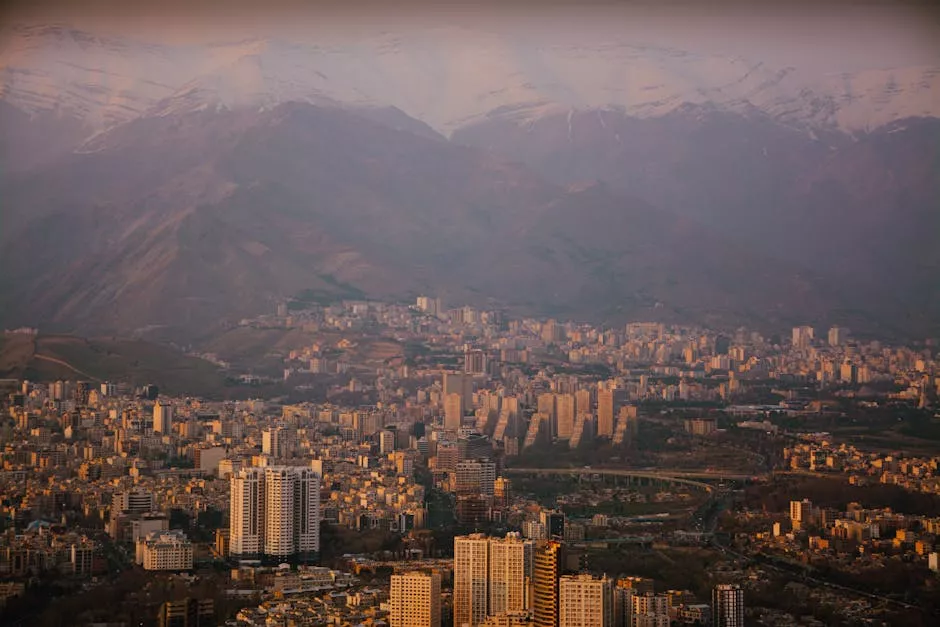
Iran's Tumultuous Strikes Spark Panic and Relief Amidst Blackout
Inside Iran, strikes cause both panic and relief amid strict internet blackout, shedding light on internal dynamics and broader geopolitical implications.
International Relations Correspondent
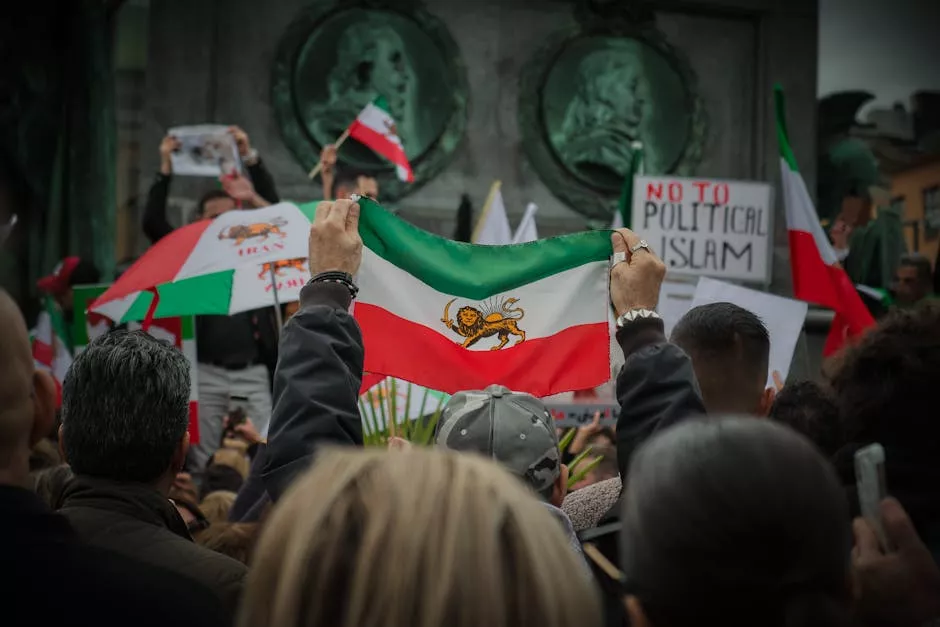
Inside Iran, the echoes of strikes resonate across its cities, painting a complex portrait of panic interwoven with moments of rare relief. The absence of reliable internet connectivity has cloaked much of the country’s current state, yet stories from within seep through, unveiling stark realities faced by Iranians amid ongoing unrest.
The Strikes Unfold
Recent days have seen a series of strikes in key Iranian cities, driven by economic grievances and political dissatisfaction. The strikes have disrupted daily life and amplified the voices of a populace seeking change. Reports suggest that major industries, including automotive and manufacturing sectors, have ground to a halt as workers protest deteriorating living conditions.
Digital Silence Amplifies the Situation
The Iranian government's near-total internet blackout has further isolated its citizens. Disconnected from the rest of the world, Iranians face the dual challenge of grappling with local unrest and a lack of external communication channels. Nonetheless, those who manage to bypass digital barriers share their accounts, highlighting a nation on edge.
For many, these strikes also present a paradox of relief—the opportunity to publicly express long-held grievances against systemic political and economic policies that have marginalized them for decades. The strikes are unearthing societal schisms, pointing to deep-rooted issues that persist beyond government controls.
Historical Context and Regional Repercussions
Iran, historically a regional powerhouse, has weathered numerous internal and external challenges over decades. From the 1979 Islamic Revolution to present-day confrontations with Western powers, the current strikes underscore Iran's ongoing struggles. These events bear semblance to past episodes of civil unrest, but the growing frequency and intensity suggest a tipping point may be near.
Regionally, Iran's stability holds vast implications. As a pivotal nation in Middle Eastern geopolitics, Iran's internal dynamics reverberate beyond its borders. Neighboring countries and global players are keenly observing, aware that widespread unrest in Iran could alter power balances and fuel further regional conflicts.
The Geopolitical Implications
The ramifications of these developments are poignant amid an already tense Middle Eastern landscape. Iran's role in regional proxy conflicts and its contentious relationships with Gulf states, Israel, and Western powers add layers to the current crisis. These strikes might threaten not only Iran's internal cohesion but also its external engagements and alliances.
Internationally, such unrest challenges ongoing diplomatic efforts, including negotiations around the nuclear deal. There's mounting pressure on global leaders to manage their relationships with Iran delicately, balancing diplomatic objectives with human rights considerations.
A Path Forward?
The unfolding situation within Iran poses a critical question: What path awaits its future? Many within the nation call for structural reforms and greater political freedoms, echoing sentiments from past movements that sought progressive change. However, the Iranian government's response—whether with increased repression or through engagement and reform—will significantly impact the nation's trajectory.
Beyond its borders, the international community must navigate these developments and their potential implications for regional stability and global security. The stakes are high, and the world watches as Iran wrestles with its defining moment.
Why It Matters
Iran's recent strikes are a microcosm of larger geopolitical dynamics at play. The unrest reflects underlying frustrations with economic stagnation and political rigidity, catalyzed by international sanctions and internal mismanagement. These events hold vital significance for global players, notably those involved in Middle Eastern affairs, as stability in Iran directly influences regional security architectures.
The evolution and resolution of these strikes could impact diplomatic trajectories, particularly in nuclear negotiations. The outcome will essentially define Iran’s international positioning and could either usher in a new era of dialogue or deepen existing divides. Observers should closely monitor Tehran's domestic policies and international engagements for signals of future developments in the region.