Escalating Conflict: Iran Strikes Israel as U.S. Bases Targeted
Iran's missile attacks on Israel and U.S. bases signal escalating tensions as the Middle Eastern conflict reaches its sixth day with potential global repercussions.
Africa & Global Economy Correspondent

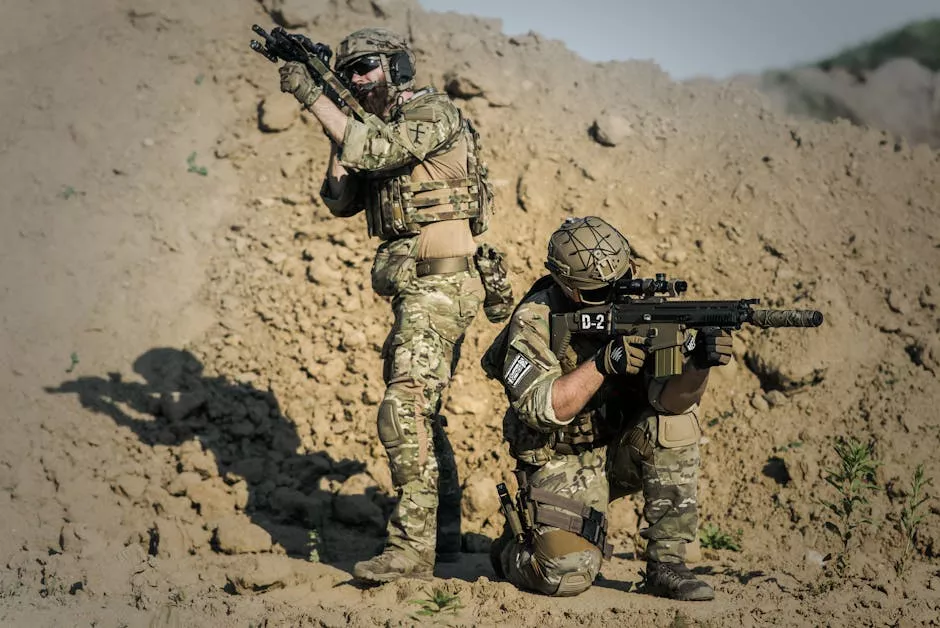
The Middle East conflict escalated further as Iran launched a series of missile attacks targeting Israel and U.S. bases, thrusting the region into deeper turmoil. This marks the sixth consecutive day of hostilities, as reported by FRANCE 24’s correspondent Noga Tarnopolsky from Jerusalem. The Israeli military confirmed it was actively intercepting multiple incoming missiles on Thursday morning.
Historical Context
The longstanding regional rivalry between Iran and Israel has often manifested through indirect confrontations and proxy battles. However, direct missile strikes indicate a significant intensification of conflict, reminiscent of the regional tensions seen during the 1980s and early 2000s. These aggressive actions come against the backdrop of Iran's dissatisfaction with Israel's growing diplomatic ties in the Middle East, especially the Abraham Accords.
Immediate Impact
In Israel, the populace is on high alert, with emergency services and defense forces working tirelessly to mitigate the threat. The United States, with troops stationed strategically across the Middle East, also finds itself on heightened alert. The Pentagon has confirmed the fortification of U.S. bases and the deployment of additional defense resources to ensure the safety of American personnel.
Regional Perspectives
Neighboring countries are watching closely, aware that the conflict could easily spill over borders. Lebanon, Syria, and Iraq, already fraught with their own political instability, are concerned about becoming inadvertent battlefields. Meanwhile, the Gulf States are urging caution and emphasizing the need for dialogue, fearful of the ramifications for global oil markets should the conflict spread.
Global Geopolitical Implications
This escalation has significant international implications. NATO and the European Union have expressed concern, with many Western nations calling for immediate diplomatic interventions to de-escalate the situation. The conflict challenges the Biden administration's diplomatic strategy in the Middle East, potentially altering U.S. foreign policy priorities.
Furthermore, this crisis could impact global energy markets. Oil prices have shown early signs of volatility, reflecting the market's sensitivity to the state of peace or conflict in the Middle East. Global economic recovery post-pandemic could face hurdles if energy prices surge as a result of this conflict.
Diplomatic Channels and Peace Efforts
The UN Security Council is scheduled to hold an emergency meeting to discuss this crisis. Previous efforts to broker peace between Israel and its adversaries have met with limited success, often overshadowed by the scale and complexity of regional issues. However, the potential for broadening conflict serves as a stark reminder of the necessity for renewed diplomatic initiatives.
The Road Ahead
As hostilities continue, diplomatic efforts will be crucial in preventing a broader regional war. Both Iran and Israel face international pressure to pursue a peaceful resolution. The coming days and weeks will be critical in determining the trajectory of this renewed conflict, as international actors weigh their options to stabilize the region.
Why It Matters
Why It Matters
The current escalation between Iran and Israel goes beyond mere military confrontation; it risks destabilizing an already fragile Middle Eastern geopolitical landscape. This conflict could disrupt global energy supplies, leading to higher oil prices and affecting economies worldwide. Furthermore, the tensions challenge existing international diplomatic frameworks, including the effectiveness of recent normalization agreements. The international community must closely monitor diplomatic channels to prevent further escalation. The situation demands a proactive approach to conflict resolution, balancing strategic power plays with humanitarian needs. Observers should watch for shifts in alliances and any interventions by major powers that could redefine regional stability.