Iran's Selective Internet Reinstatement Amid Continued Unrest
Iran's internet access is partially restored post-crackdown protests, reflecting ongoing tensions and highlighting technological control as a political tool.
Defense & Security Editor
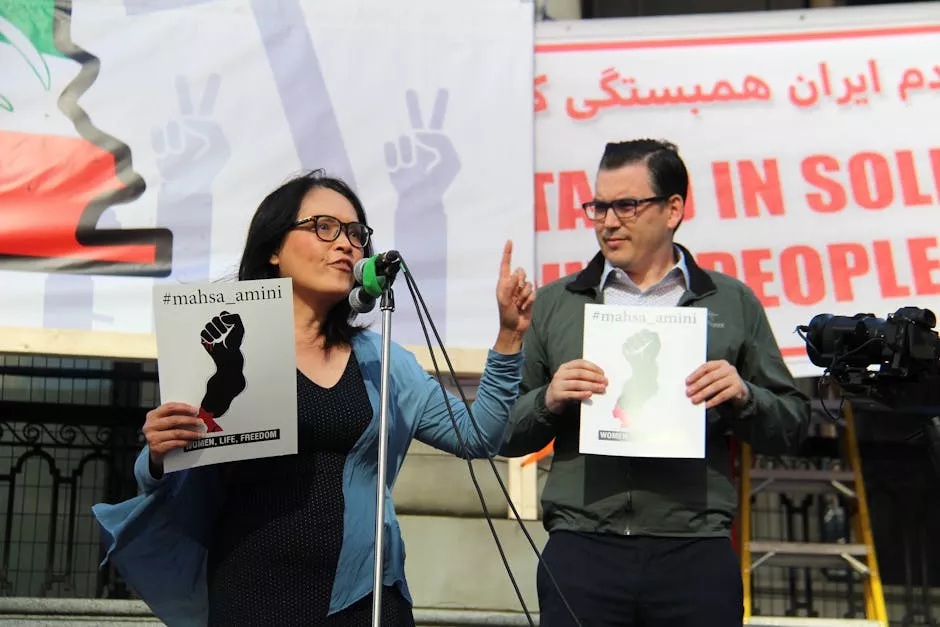
Iran is gradually restoring internet access following a sweeping crackdown on nationwide protests, but the resumption is far from comprehensive. The government cut off internet services on January 8, a move aimed at quelling the flow of communication and information among protestors who took to the streets in widespread dissent. While connectivity is being reestablished in some regions, many areas remain without reliable internet service, reflecting the government's selective approach to information control.
Historical Context: A Pattern of Control
The Iranian government has a history of internet shutdowns during times of political unrest, employing such measures as a tool to stifle dissent and control public narrative. This latest incident follows a series of uprisings sparked by economic conditions, alleged electoral fraud, and, more recently, social grievances concerning women's rights and government corruption.
These movements often gain momentum through social media, which the authorities view as a threat to their control. By disrupting internet services, the Iranian regime aims to disrupt these digital networks, which have historically played a crucial role in organizing and sustaining mass protests.
Regional Perspectives and Reactions
Iran's actions have drawn varying reactions from regional players. Neighboring Gulf states, wary of similar unrest within their borders, have remained largely silent, reflecting their own precarious internal political landscapes. However, the move has not gone unnoticed by international human rights organizations and Western governments, who have condemned the shutdowns as an infringement on basic human rights.
The internet shutdown and partial reinstatement are reflective of a broader pattern seen in authoritarian regimes worldwide, where communications technology is both a tool for power and a threat to be neutralized. This struggle between control and freedom of communication is at the heart of modern geopolitical tensions.
Geopolitical Implications
The selective restoration of internet services serves as a barometer of sorts for measuring Iran’s internal stability and its readiness to engage with the global community. The partial ease on restrictions suggests a calculated attempt by authorities to balance internal control with external diplomatic pressures.
For Western nations and human rights advocates, this incident serves as an important reminder of the ongoing need to support free and open access to information as a cornerstone of democratic governance. It also presents a challenge for countries with critical ties to Iran, such as China and Russia, which might view this as a litmus test for similar approaches in their own territories.
The Road Ahead
As Iran grapples with its internal unrest and international image, the fluctuating internet policy emerges as a key issue to watch. The country's stability hangs in the balance, with the potential for further escalation if grievances remain unaddressed. This event underscores the growing intersection of technology and geopolitics, where the control of information flows is increasingly weaponized in domestic and international arenas.
Why It Matters
The resumption of internet in Iran, albeit limited, highlights the government's strategic use of technology as an instrument of power. Communication blackouts serve as a powerful tool to isolate dissent and maintain control, reflecting a growing trend among authoritarian regimes. This event, therefore, is of profound geopolitical significance since it echoes the global struggle between state control and the right to information. As Western countries and global organizations continue to condemn such actions, they must balance their responses to Iran while managing diplomatic and economic interests in the region.
Looking ahead, the international community should closely monitor the unfolding situation in Iran, paying particular attention to any new legislative or technological developments that might influence global internet governance and digital rights. Furthermore, escalating tensions in Iran could have spillover effects in the Middle East, making regional stability a crucial area of focus for policymakers worldwide.