Iran Declares Pause on Strikes Unless Provoked by Neighbors
Iran pledges to halt attacks on neighboring Gulf states unless provoked, altering regional dynamics and US relations.
Africa & Global Economy Correspondent
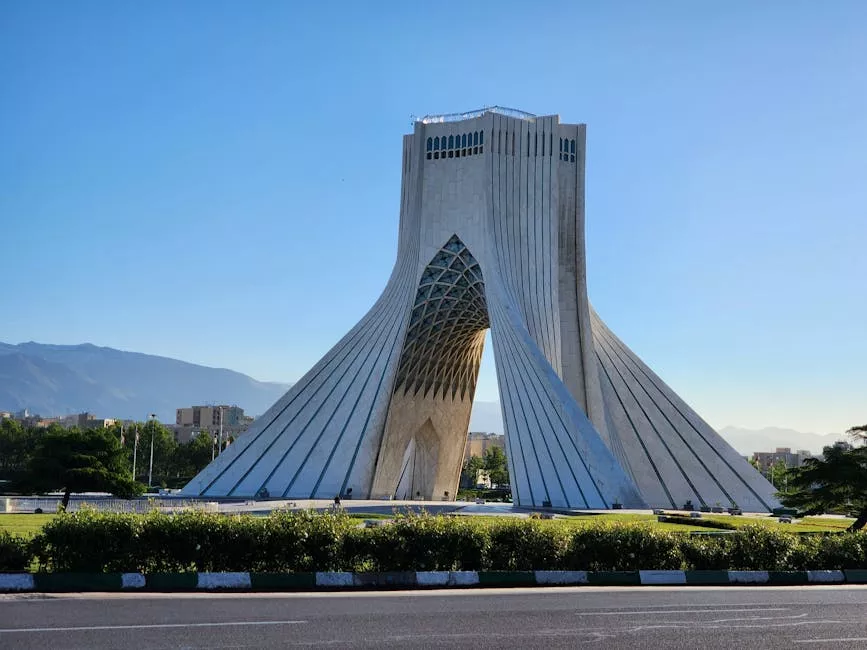
In a significant shift in regional policy, Iranian parliamentary official Masoud Pezeshkian stated that Iran would cease its military strikes on neighboring states, particularly those in the Gulf region, unless provoked first. This announcement points to a strategic recalibration amid ongoing tensions with the United States and its allies in the region.
The context in which Pezeshkian’s statement was issued is crucial. Iran has been involved in retaliatory actions targeting Gulf states hosting U.S. strategic assets. Such actions have often been perceived as part of broader Iranian efforts to push back against U.S. sanctions and military presence in the region. This posture from Tehran may be aimed at de-escalating the potential for broader conflict while maintaining a stance of deterrence.
Historical Context
The Gulf region has long been a focal point of geopolitical tensions, with Iran frequently at odds with its neighbors over issues ranging from oil pricing and production to religious and ideological dominance. Historically, the United States' presence in the Gulf, exemplified by military bases and alliances with countries such as Saudi Arabia and the United Arab Emirates, has been a point of contention for Iran.
In recent years, Iran's military engagements in the Gulf have often been framed within the context of retaliatory or defensive actions. This is partly due to the complex web of alliances and rivalries that define the region. Notably, Iran’s relationship with Qatar has remained amicable, while tensions with Saudi Arabia and the UAE have fluctuated.
Regional Perspectives
From a regional perspective, the Iranian government's declaration is likely to elicit mixed reactions. Gulf states such as Saudi Arabia and the UAE have invested heavily in defense spending and maintaining strong security ties with the U.S. Ironically, these relationships, while intended to provide security, have sometimes acted as a flashpoint for conflict, drawing retaliatory action from Iran.
The announcement could be viewed favorably by some Gulf states aiming for reduced tensions and improved diplomatic relations. However, skepticism remains about Tehran’s intentions. Past promises have sometimes failed to translate into sustained policy changes, leading regional actors to remain cautious.
Geopolitical Implications
Globally, this development has significant implications for U.S.-Iran relations, as well as for the broader Middle East. It suggests a potential shift towards diplomacy, offering a window of opportunity for negotiations. This comes as international powers, including the European Union, have sought to mediate tensions and encourage dialogue.
The Iranian announcement may also affect oil markets, with potential calming effects on a region critical to global oil supply. If sustained, reduced hostility in the Gulf could contribute to lower volatility in oil prices, impacting global markets and economies.
However, the path forward is fraught with challenges. Iran’s relations with the West remain strained due to ongoing sanctions, its nuclear program, and its support for proxy groups in the region. Consequently, Pezeshkian’s statement must be viewed within the larger framework of Iran’s geopolitical strategy, which balances confrontation with negotiation.
Why It Matters
The announcement by Iran holds significant weight in the geopolitical arena, particularly as it signals a potential pivot from confrontation to a more restrained military posture. It is a move that may pave the way for renewed diplomatic engagements. The cessation of retaliatory strikes, if maintained, could lead to a reduction in immediate regional tensions and open channels for dialogue, particularly on critical issues like security and trade. Yet, the challenge lies in the complex geopolitical web where alliances with the U.S. remain strong among many Gulf states. Observers should watch for how this declaration influences Iran’s ongoing nuclear talks and any subsequent responses from Gulf Cooperation Council states. The potential easing of tensions could also impact global oil markets, underscoring yet again the interconnectivity of regional actions with global economic systems.