Iran's Evolving Military Strategy Post-June 2025 Conflict
Iran has adapted its military strategy after the 12-day conflict with Israel, focusing on modernization and regional alliances.
Africa & Global Economy Correspondent
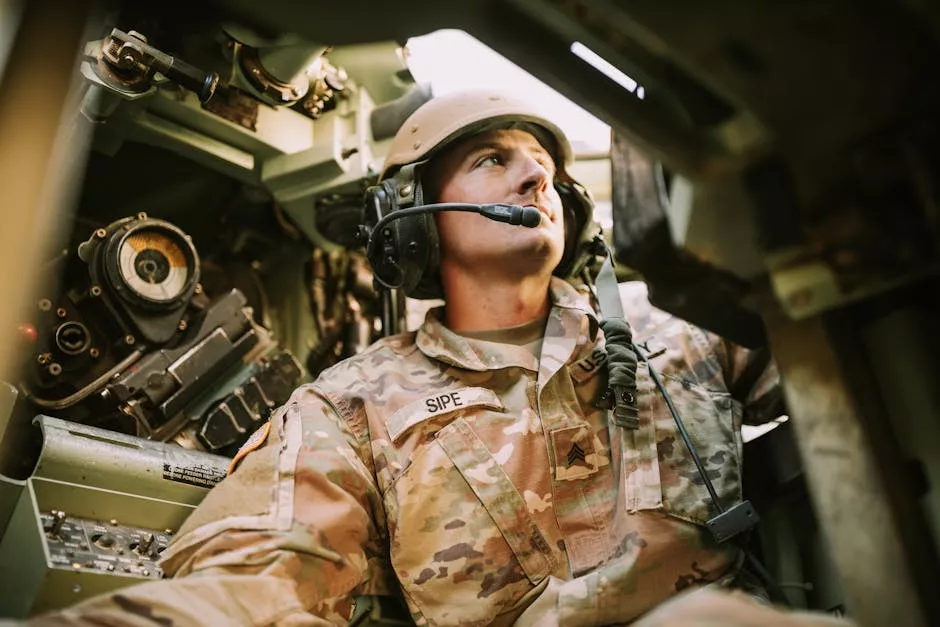
In the increasingly volatile Middle East, Iran's military strategy has undergone significant revision following the intensive 12-day war with Israel in June 2025. This conflict, which reshaped the geopolitical landscape of the region, prompted Tehran to reconsider its defense priorities and operational tactics.
Historical Context: The June 2025 Conflict
The war that erupted between Iran and Israel in mid-2025 was a culmination of long-standing tensions. The immediate causes were rooted in border skirmishes, cyber-attacks, and escalating regional proxy conflicts involving Hezbollah and Hamas. The 12-day conflict saw significant casualties and devastation on both sides but ended without a decisive victor.
Historically, Iran's military doctrine has been primarily defensive, heavily reliant on asymmetric warfare tactics. This approach leverages Iran's regional proxies, cyber capabilities, and missile program to deter adversaries. However, the June conflict exposed vulnerabilities in Iran's traditional strategies, particularly in electronic warfare and air defense.
Shifts in Military Strategy
Defense analysts indicate Iran's revamped strategy now focuses on three primary areas: modernization of military technology, enhancement of regional alliances, and development of deterrence capabilities. Modernization efforts are particularly concentrated on electronic warfare, integrated air defenses, and unmanned aerial vehicles (UAVs).
The Iranian military has prioritized upgrading its command and control systems to withstand advanced cyber threats. This includes diversifying communications infrastructure to prevent the disruptions experienced during the war. Additionally, Iran is investing in developing domestically-produced advanced drones, drawing from its experiences and setbacks during the conflict.
Regional Alignments and Alliances
Iran's strategic recalibration is also characterized by strengthening ties with regional allies. The Iranian government has intensified its diplomatic engagements with groups like Hezbollah in Lebanon and the Houthis in Yemen, reinforcing a network of influence across the region. These alliances are crucial for maintaining Iran's strategic depth and compensating for its conventional military limitations.
Furthermore, Tehran is seeking to deepen its strategic relationship with global powers such as Russia and China. These alliances are likely motivated by a shared interest in counterbalancing U.S. influence in the region. By leveraging these partnerships, Iran aims to enhance its technological and economic resilience.
Implications for Regional Stability
The evolution of Iran's military strategy has significant implications for regional stability. Israel, the Gulf States, and the United States are closely monitoring Iran's military developments. The enhanced capabilities and renewed alliances could lead to an arms race, escalating regional tensions, and increasing the risk of future conflicts.
Iran’s actions are also interpreted as part of a broader effort to position itself as a dominant regional power. This ambition is likely to heighten its adversarial stance with Saudi Arabia and complicate peace efforts in the region.
Why It Matters
Why does this matter on a global scale? Iran's strategic shifts post-2025 have broad implications for international security and geopolitics. The Middle East is a critical region for global energy markets and trade routes. Any alteration in the power dynamics here can affect global oil prices and economic stability. Moreover, Iran's deeper relationships with Russia and China could challenge U.S. foreign policy, potentially leading to new geopolitical alignments. The international community must closely watch Iran's military advancements and regional maneuvers to anticipate potential conflicts that could disrupt global stability.