Iran's Media Narratives: Analyzing State Coverage of the Conflict
Iran amplifies enemy losses and uses digital tools to boost national image amidst ongoing war, shaping domestic perceptions and regional narratives.
International Relations Correspondent
Introduction
The complex geopolitical landscape of the Middle East is further exacerbated by the Iranian state media's portrayal of ongoing wars. Recent reports suggest that Tehran is not just reporting the conflicts through a nationalistic lens, but is also creatively manipulating narratives to inflate enemy casualties and enhance Iran's stature in the region. Understanding these narratives offers critical insight into not just the war itself but also Iran's strategic intentions in the wider geopolitical arena.
Historical Context
The Iranian approach to media manipulation is not new. Since the Islamic Revolution of 1979, Iran has often found itself in opposition to Western media narratives. This has led to a persistent effort by Iranian state media to control internal and external narratives, particularly during times of conflict. Historically, this has included embellishing Iran's victories and downplaying its losses, a tactic designed to foster a sense of nationalism and resilience among its population.
Regional Perspectives
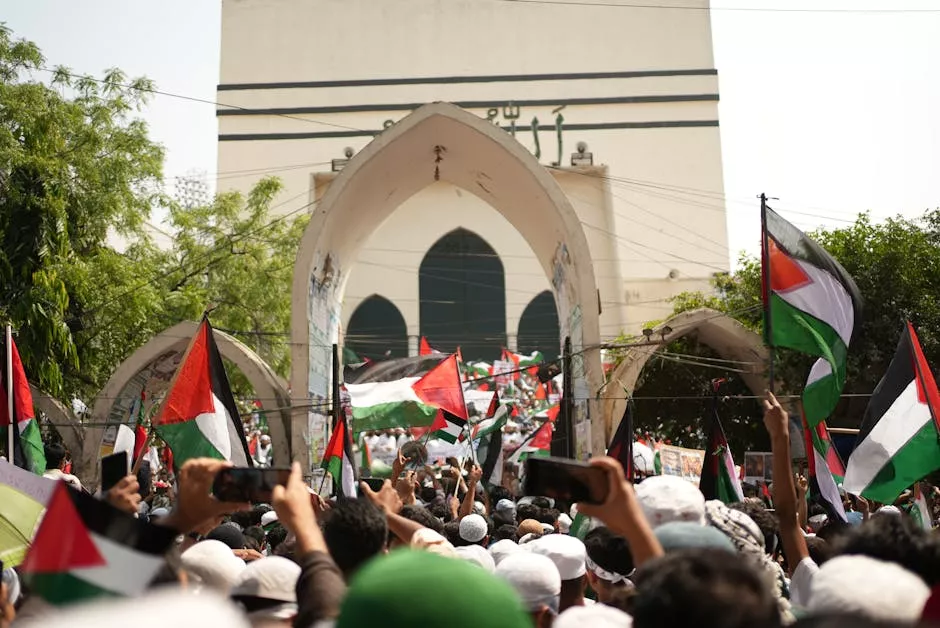
In a region characterized by its complex geopolitics, Iran's media strategies have particularly resonated with its Shiite allies and proxies across the Middle East. By portraying itself as a dominant regional power triumphing over its adversaries, Iran enhances its influence in nations like Syria, Iraq, and Lebanon. This crafted image is crucial in its ongoing rivalry with Saudi Arabia for regional dominance and countering Israeli threats.
The Role of Digital Manipulation
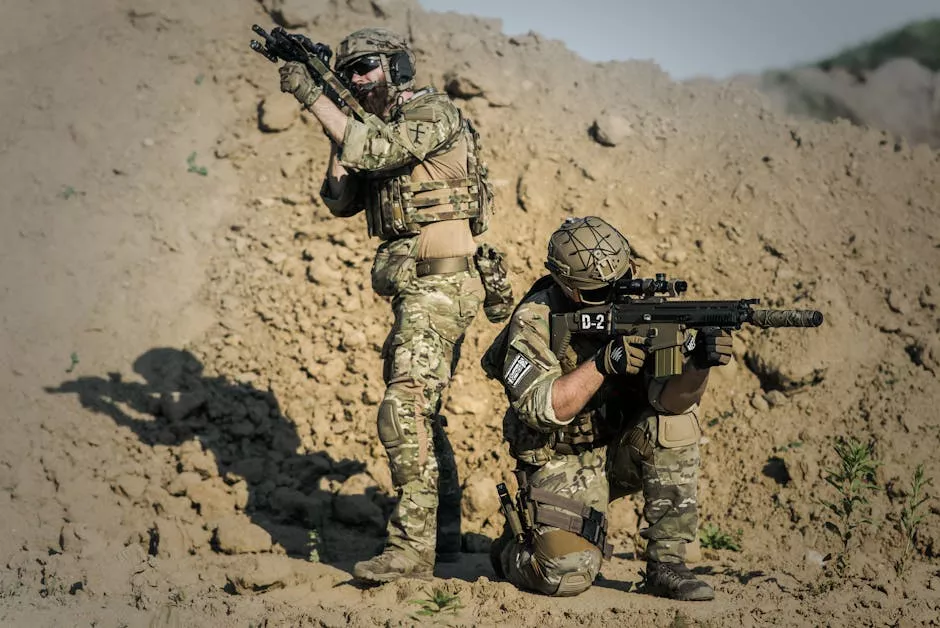
Modern digital technology offers new tools to state media. Iranian outlets are increasingly using sophisticated digital manipulation techniques to create images and videos that support their narratives. From altering battlefield visuals to construct more dramatic reports of enemy casualties, these efforts are not merely about propaganda — they serve as a psychological strategy aimed at both domestic audiences and external foes.
Geopolitical Implications
Iran's narrative control has deep implications. It not only affects public perception within its own borders but also influences international understanding and reactions to regional conflicts. By controlling these narratives, Iran can sway opinions, secure alliances, and bolster its geopolitical posture against both regional and global powers.
Moreover, inflated casualty numbers and heroic portrayals of Iranian forces can provoke responses from enemy states and influence military strategies. The information war, thus, becomes as crucial as the military one, with Iran crafting a narrative that can embolden its own citizens while potentially instigating adversaries.
This strategy could influence US-Iran relations, particularly concerning nuclear negotiations. Western nations must decipher these manipulations to effectively engage with Iranian counterparts, considering the narratives that the Iranian public consumes.
Conclusion
The Iranian media’s portrayal of wartime events is a complex strategy aimed at consolidating power internally and exerting influence regionally. As digital tools evolve, Tehran's ability to manipulate perceptions grows stronger, posing significant challenges to peace and stability efforts in the Middle East.
Why It Matters
Why It Matters
The manipulation of war narratives by Iranian state media holds significant regional and global implications. By inflating enemy casualties and glorifying Iran's role, Tehran aims to consolidate power internally and propagate its influence over regional allies and adversaries. This narrative shaping is closely linked to Iran's broader geopolitical strategies, including its pursuits of regional dominance and influence in nuclear negotiations. Understanding these dynamics is crucial, as they not only affect Middle Eastern geopolitics but also shape international policy decisions regarding Iran. Observers should pay close attention to how these narratives impact Iran's relations with Western powers and regional rivals, as well as their potential to influence future conflicts.