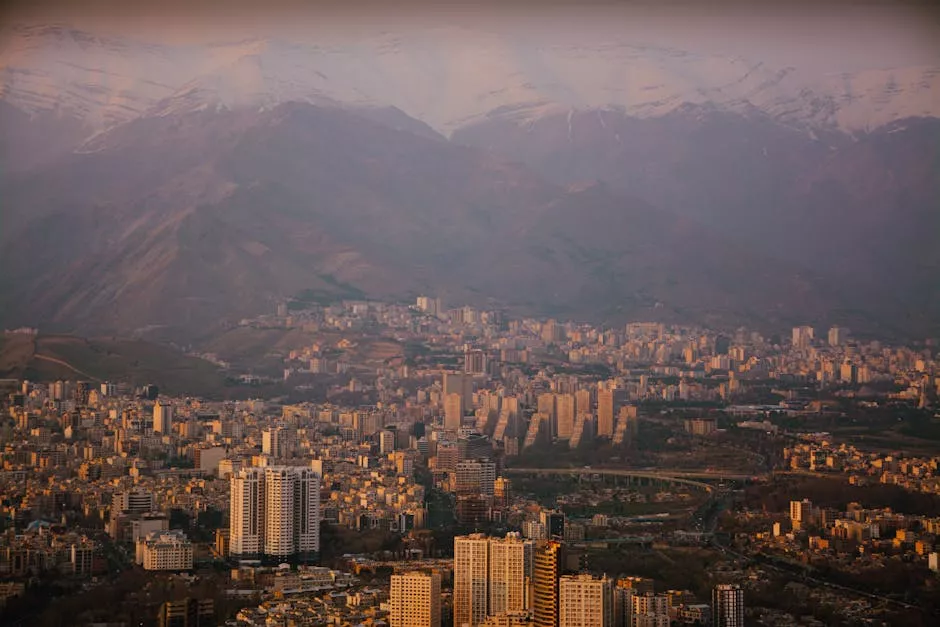
Iran's Leadership Crisis Amidst US-Israeli Tensions
US-Israeli leadership assassinations create a power vacuum in Iran, raising regional tensions and instability.
Africa & Global Economy Correspondent
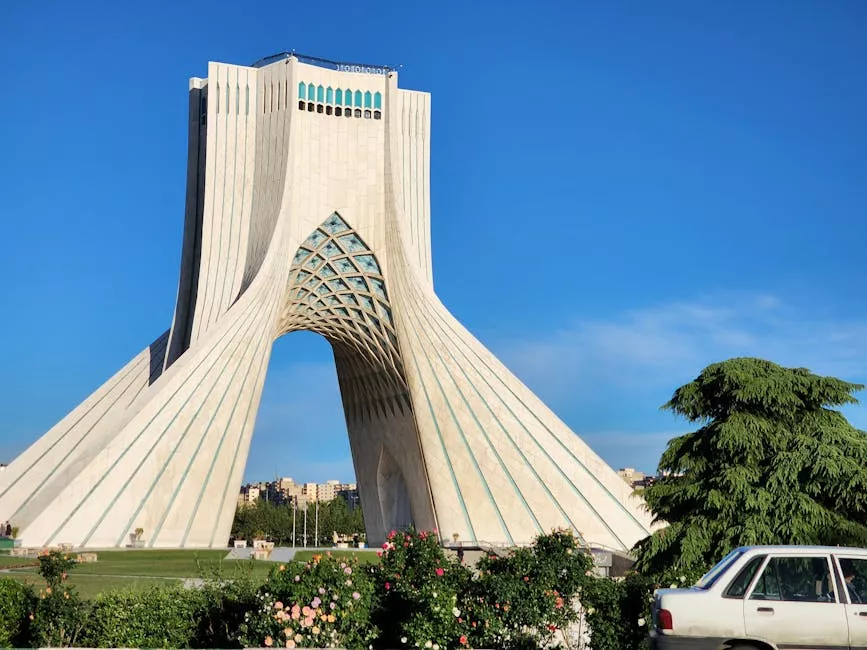
A Power Void in Iran's Political Landscape
In recent days, Iran has been plunged into a profound political crisis following the assassination of key members of its leadership. This bold action, attributed to a US-Israeli collaboration, has left the nation in a state of flux, grappling with a power vacuum that poses significant challenges both internally and externally.
Historical Context
Iran's tumultuous relationship with the West and Israel has roots extending back to the 20th century. The 1979 Iranian Revolution marked a pivotal moment, transforming Iran from a pro-Western monarchy to an Islamic Republic fundamentally opposed to U.S. influence in the Middle East. Over the decades, this ideological conflict has manifested in various forms, from economic sanctions to covert operations.
The latest assassinations are not without precedent. Over the past few years, Iranian military and scientific leaders have frequently found themselves targets of such operations. The death of General Qasem Soleimani in early 2020 marked a significant escalation in this shadow war, setting the stage for the current turmoil.
Regional Implications
The turmoil in Iran is quickly becoming a focal point for regional tensions. Neighboring countries are watching developments closely, as a destabilized Iran could result in unintended consequences throughout the Middle East. Countries like Iraq, Syria, and Lebanon already face the fallout of Iranian power dynamics, with Iranian-backed militias playing pivotal roles in internal conflicts.
Furthermore, the power vacuum within Iran presents opportunities and risks for regional powers like Saudi Arabia and Turkey, who may attempt to exploit or stabilize the situation according to their strategic interests.
Global Repercussions
The geopolitical implications of this crisis extend far beyond the Middle East. The United States and its allies must now navigate a delicate balancing act to deter Iranian aggression while maintaining regional stability. Any misstep could inflame an already volatile situation, potentially disrupting global oil supply lines and impacting international markets.
Meanwhile, this incident underscores the persistent undercurrent of tension between Iran and Israel, with potential ramifications for future diplomatic efforts aimed at addressing nuclear proliferation and regional security.
The Domestic Struggle
Internally, Iran faces significant challenges in maintaining order and governance. The power vacuum invites a struggle for succession among hardliners and moderates, each faction vying for control over the country's strategic direction. The outcome of this internal struggle will significantly shape Iran's domestic and foreign policy in the coming years.
Moreover, this uncertainty exacerbates existing socioeconomic issues, from rampant inflation to widespread unemployment, further eroding public confidence in the ruling regime and potentially sparking civil unrest.
The international community, particularly Western powers, will undoubtedly be scrutinizing Iran's domestic developments, considering possible diplomatic engagements or interventions in response to the evolving situation.
Why It Matters
Why It Matters
The current upheaval in Iran holds considerable significance for global geopolitics. Regionally, it exacerbates tensions and asks questions about power dynamics and alliances throughout the Middle East. Iran's strategic location and influence make its stability crucial to maintaining regional balance. For international players, particularly the United States and Israel, the assassination of key figures represents both an opportunity to prevent Iran's nuclear ambitions and a risk that could deepen hostilities.
Looking ahead, the world must be alert to how Iran reshapes its leadership and policies, as these will likely influence everything from oil markets to nuclear proliferation discussions. As power struggles ensue and the potential for escalation remains high, observers should watch for how other regional powers, allies, and adversaries respond to the simmering crisis.