Iran Escalates Tensions with Gulf States Amid Leadership Apology
Iran's military actions against Gulf States continue, undermining the president's apology. This raises concerns in an already volatile Middle East region.
Middle East & Diplomacy Specialist

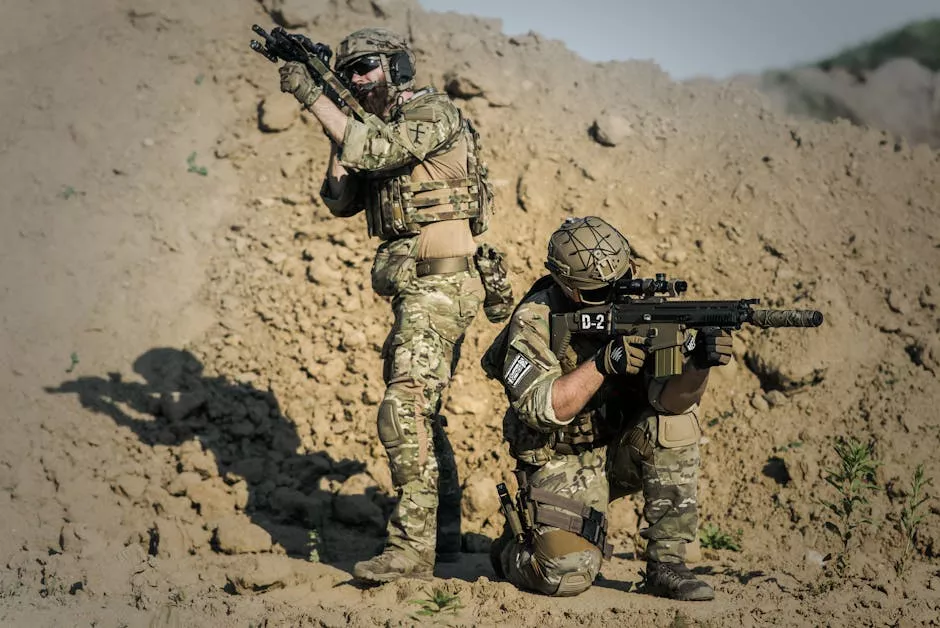
The geopolitical tensions in the Middle East have reached a critical juncture as Iran continues to target Gulf States with a series of military strikes, despite recent public apologies from its President, Masoud Pezeshkian. This latest escalation occurred over the weekend when the Islamic Revolutionary Guard Corps (IRGC) claimed responsibility for targeting U.S. forces stationed at the Naval Support Activity Bahrain in Juffair. The reverberations of these acts were also felt over Dubai and the Qatari capital, Doha, where explosions were reported.
Background of the Conflict
The longstanding rivalry between Iran and the Gulf States has been punctuated by a series of confrontations over the past decades. Historically, Iran's revolutionary aspirations have clashed with the monarchies of the Gulf Cooperation Council (GCC). The 2015 nuclear agreement with world powers had temporarily eased economic pressures on Iran, but recent years have seen a rollback in these diplomatic gains, leading to heightened tensions.
Events Leading Up to the Current Crisis
In recent months, strategic locations across the Gulf have increasingly become targets. Saturday's attacks are the latest in a series of provocations correlating with increased rhetoric from Iranian hardliners. Despite President Pezeshkian's efforts to project an image of reconciliation, including offering an apology for recent escalations, the actions of the IRGC suggest an underlying strategy of regional intimidation and deterrence.
Regional Implications
The ramifications of Iran's actions are extensive, threatening to destabilize the already fragile peace in a region where geopolitical maneuvers by countries like Saudi Arabia and the UAE are often closely aligned with Western interests, particularly those of the United States. The UAE's leadership has responded to the crisis with determination, with the President asserting confidence in the nation's resilience and future recovery from such conflicts.
Furthermore, these incidents contribute to the broader volatility of the Middle East, particularly as countries are faced with economic strains and social unrest. The incidents also highlight key vulnerabilities among the Gulf States, where defense infrastructure might be deemed inadequate against such persistent threats.
Global Geopolitical Consequences
The international community is expected to respond with calls for calm and de-escalation, but the complexity of alliances and enmities in the region makes a swift resolution unlikely. The United States, as a key military and strategic partner of the GCC, faces the challenge of addressing Iranian provocations without exacerbating them, particularly as ongoing negotiations over Iran's nuclear capabilities remain contentious.
As tensions continue to rise, this situation could usher in a recalibration of alliances or further deepen existing fractures within the region, pushing external powers to reconsider their roles and stakes in the Middle East's security architecture.
Why It Matters
Why It Matters: The ongoing hostilities between Iran and the Gulf States hold substantial global implications. At a time when international focus might be divided over various crises, this regional conflict serves as a reminder of the Middle East's pivotal role in global energy supplies and strategic military positioning. The targeting of the U.S. forces signifies a potential flashpoint that could draw in major powers, complicating diplomatic efforts. The resilience of Gulf economies and their ability to secure their territories against military threats is critical, not just for regional stability but for global economic interests. Observers should watch closely for any further military engagements and diplomatic maneuvers that could either mitigate or exacerbate the tensions.