Iran Denies Diego Garcia Attack, Raises Geopolitical Tensions
Iran denies missile attack on Diego Garcia, challenging geopolitical alliances and impacting the Indo-Pacific security dynamics.
International Relations Correspondent
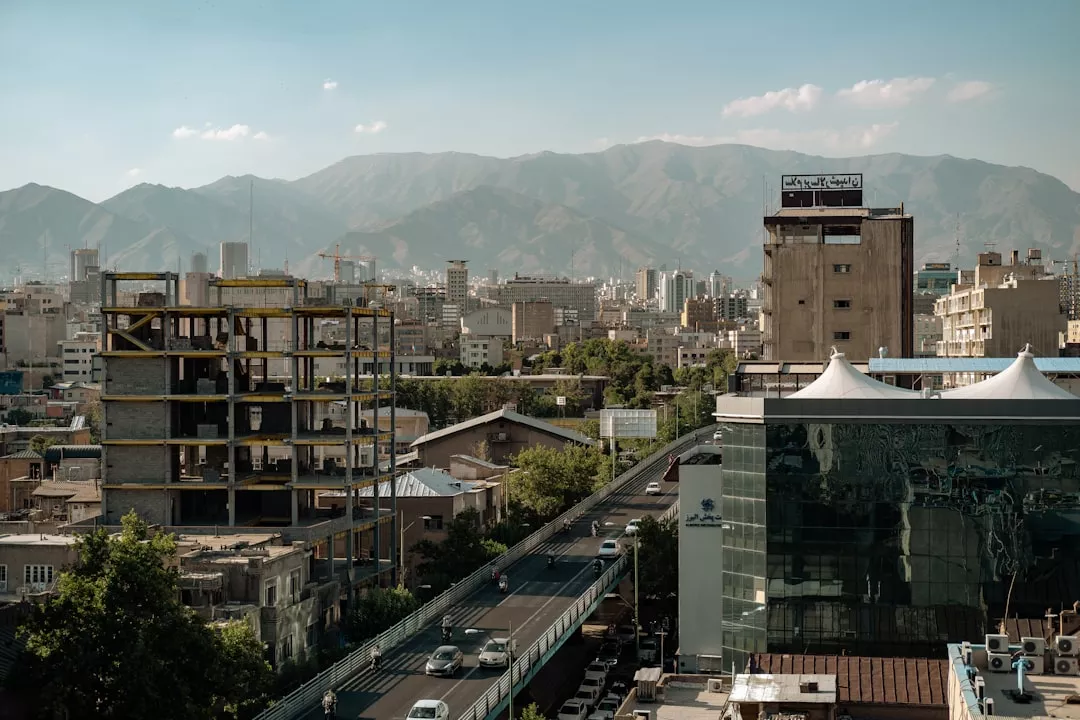
The geopolitical landscape trembled under rising tensions as Iran categorically denied any involvement in a purported missile attack on Diego Garcia, a strategic island with US military presence in the Indian Ocean. This denial has left analysts scrambling to understand the intricate web of accusations and counterclaims that could recalibrate regional alliances and security paradigms.
Background of the Allegations
The accusations surfaced amidst rising tensions in the Indo-Pacific, where strategic posturing and military alliances shape the geopolitical terrain. Diego Garcia stands as a pivotal base for US operations, a linchpin in the broader US strategy to project power in this oceanic stretch. Allegations claimed a long-range missile, ostensibly Iranian, targeted this critical facility. Such an attack, if confirmed, can alter US calculations and pressure allies to escalate military preparedness.
Iran's Firm Denial
Esmaeil Baghaei, a senior Iranian official, unequivocally rejected the accusations, describing them as a 'false flag operation' intended to further vilify Iran in the eyes of the global community. This diplomatic rhetoric underscores Iran's consistent narrative against perceived Western aggression and manipulation. For Tehran, steadfast denial serves to dissuade further regional isolation, especially within the Middle East where alliances are often fluid.
Psychological and Strategic Dimensions
Accusations of a missile attack bear significant psychological weight. For the United States and its allies, any threat to Diego Garcia, symbolic of American influence and military capability, warrants serious concern. Such developments require not only defensive recalibrations but also potential shifts in diplomatic engagements with Tehran.
Historical Context
This is not the first instance where Iran has been at the center of espionage and military accusations. Historically, US-Iran relations have oscillated between cautious engagement and overt hostility since the Iranian Revolution of 1979. The country's missile program has long been a contentious issue, featuring prominently in negotiations concerning Iran's nuclear ambitions and regional militaristic posturing.
Regional Perspectives
Across the Indo-Pacific, states are wary of an incident that might draw them into the US-Iran conflict. Nations like India and Australia, which share strategic interests with the US, face the delicate task of balancing continental alliances without antagonizing a key regional player, Iran. China, envisioning itself as a regional counterbalance, might use this development to argue for decreased American military presence.
Geopolitical Implications
The incident, real or purported, underscores how military developments influence diplomatic narratives. As regional actors evaluate their positions, the broader consequences may manifest in recalibrated defense spending, revamped security agreements, and a heightened state of alert among Indo-Pacific nations.
Why It Matters
The alleged missile attack on Diego Garcia, irrespective of its validity, highlights a broader geopolitical struggle for influence and security assurance in the Indo-Pacific region. The incident underscores the precarious balance of power that exists in this strategic corridor, where US-China rivalries are intensifying, and regional actors must navigate a complex web of alliances and enmities. Any potential conflict involving a major military hub such as Diego Garcia could disrupt trade routes, escalate military tensions, and force nations to choose sides more definitively than before. For observers, this event serves as a reminder to monitor unfolding US-Iran dynamics, regional defense policies, and the evolving security architecture, which could redefine international relations in the weeks to come.