ICC Faces Financial Crisis Over Potential India-Pakistan T20 Boycott
The ICC could face a hefty financial setback if the India-Pakistan T20 clash is called off, jeopardizing media rights valued at £367m.
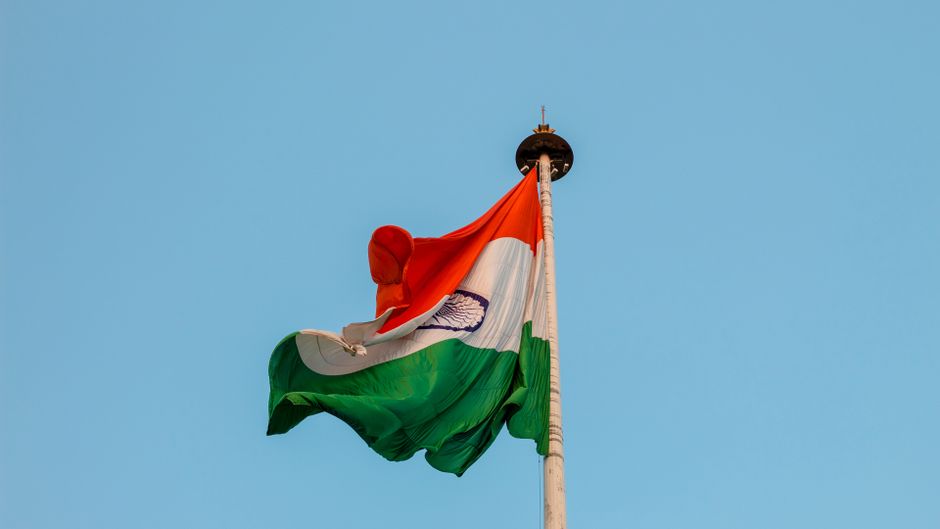
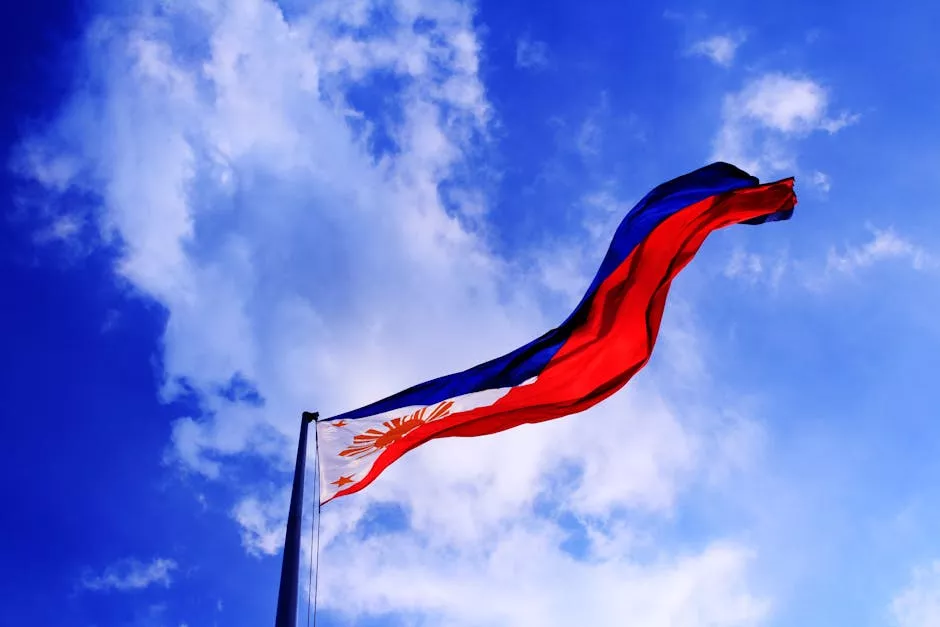
The cricketing world is holding its breath as the potential cancellation of the high-stakes T20 World Cup matchup between Pakistan and India looms on the horizon. This ongoing saga has resulted in intense behind-the-scenes negotiations, with the International Cricket Council (ICC) facing a significant financial crisis if the fixture is not played as scheduled. Sources within the ICC have indicated a potential downgrading of the financial expectations, as a result of the current dispute, with media rights alone estimated to generate approximately $500 million (£367 million).
Intensive Negotiations Amid Diplomatic Tensions
The tension was sparked when the Pakistani government announced it would boycott the match against India, scheduled for February 15, 2026. This announcement has sent shockwaves through the cricketing community, as the Indo-Pak rivalry is one of the sport's most celebrated and commercially lucrative events. As the drama unfolds, diplomats and cricketing officials are deeply engaged in crisis negotiations, trying to salvage the marquee event, set to take place in Colombo next weekend.
Implications for the ICC
For the ICC, the stakes couldn't be higher. The potential cancellation poses a financial quagmire, with a substantial media rights deal hanging in the balance. These rights are crucial not only for broadcasting high-profile matches but also for reinforcing the financial stability of the cricket governing body. A cancellation would likely result in contractual rebates, severely impacting the ICC's financial forecasts for the year.
The Broader Geopolitical Context
Beyond the cricketing realm, this dispute is deeply rooted in the geopolitical tensions that have historically marred Indo-Pak relations. The decision to boycott the match echoes a broader pattern of diplomatic tussles between the two nations, underpinned by political, territorial, and security issues. The cricket pitch, often used as a ground for soft diplomacy, is once again at the epicenter of an international dispute with ramifications that extend beyond sport.
The next few days will be critical as the ICC, broadcasters, and the cricket boards of both nations continue to engage in last-minute negotiations. The world will be watching closely to see if a resolution can be reached, allowing cricket fans to witness the much-anticipated showdown, or if the saga will contribute another chapter to the storied rivalry between the two neighbors.
As the situation unfolds, stakeholders are keenly aware of the implications of either outcome. A successful negotiation could see the game played, securing much-needed revenues and showcasing cricket's unifying power. Conversely, a boycott would further entrench the diplomatic rift, with long-term consequences for future sporting engagements between the two rival nations.