Greece's Marine Protected Areas Shield Endangered Monk Seals From Tourism
Greece implements strict marine protected areas to safeguard critically endangered Mediterranean monk seals from tourist disruption, highlighting the tension between conservation and economic interests.

In the pristine waters of Greece's northern Sporades Islands, a delicate balance between conservation and tourism is being carefully managed as authorities work to protect one of the world's rarest marine mammals from human interference. The Mediterranean monk seal, with fewer than 700 individuals remaining globally, has found sanctuary in Greece's largest marine protected area, where strict access controls are helping vulnerable populations recover.
Conservation Versus Economic Pressures
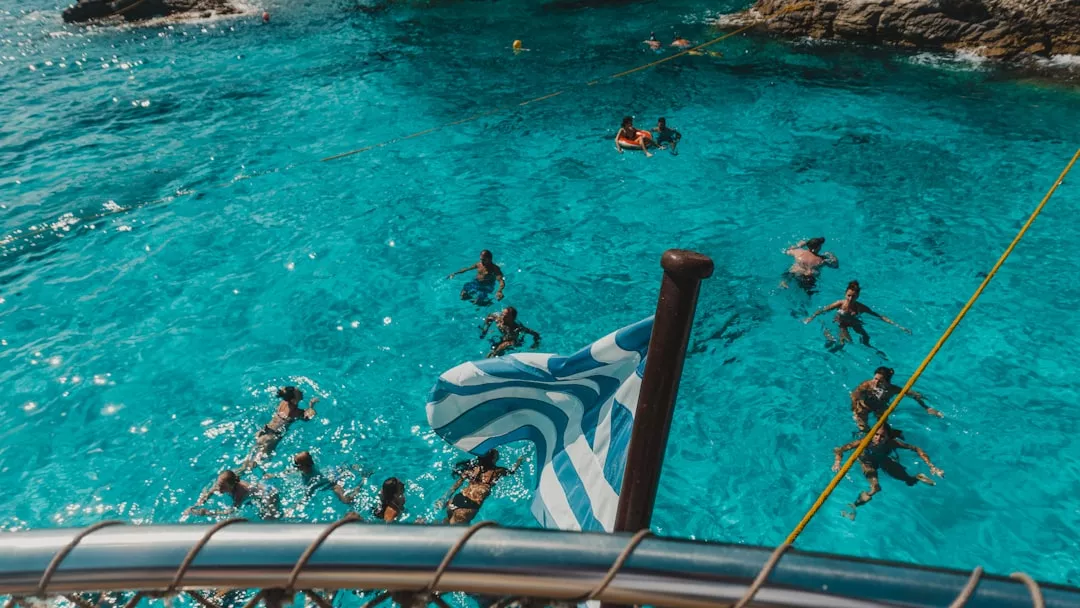
The establishment of the National Marine Park of Alonissos and Northern Sporades represents a significant geopolitical challenge for Greece, which must balance its role as a major Mediterranean tourism destination with its international conservation obligations. The country's decision to restrict access to critical habitats like Piperi Island demonstrates how environmental protection can sometimes conflict with immediate economic interests in tourism-dependent regions.
Greece's approach reflects broader European Union environmental directives and international conservation treaties, positioning the country as a responsible steward of Mediterranean biodiversity. This stance carries diplomatic weight within EU environmental policy frameworks and showcases Greece's commitment to global conservation efforts despite economic pressures from the tourism sector.
Strategic Environmental Diplomacy
The protection of Mediterranean monk seals serves multiple geopolitical functions for Greece. Beyond conservation, these efforts strengthen Greece's soft power in regional environmental leadership and provide leverage in EU funding negotiations for environmental projects. The marine protected areas also support Greece's claims to territorial waters and exclusive economic zones in the strategically important Aegean Sea region.
The monk seal conservation program involves international cooperation with neighboring countries and conservation organizations, creating diplomatic channels that extend beyond environmental issues. These partnerships often facilitate broader regional cooperation on maritime security, fisheries management, and climate change adaptation.
Economic Implications and Future Challenges
While tourism restrictions may seem economically counterintuitive, Greece is betting on sustainable ecotourism models that could prove more profitable long-term than mass tourism. The exclusivity created by protected areas can command premium prices from environmentally conscious travelers, potentially offsetting losses from restricted access.
The success of Greece's monk seal protection efforts will likely influence conservation policies across the Mediterranean, where similar tensions between development and environmental protection exist. As climate change intensifies pressure on marine ecosystems, Greece's current policies may serve as a template for regional conservation strategies, potentially enhancing the country's role in Mediterranean environmental governance.