Germany Sees Surge in Tips After Reward in Berlin Grid Sabotage
A €1 million reward fuels tips on Berlin grid sabotage. Meanwhile, experts highlight €1 billion economic loss from global disruptions.
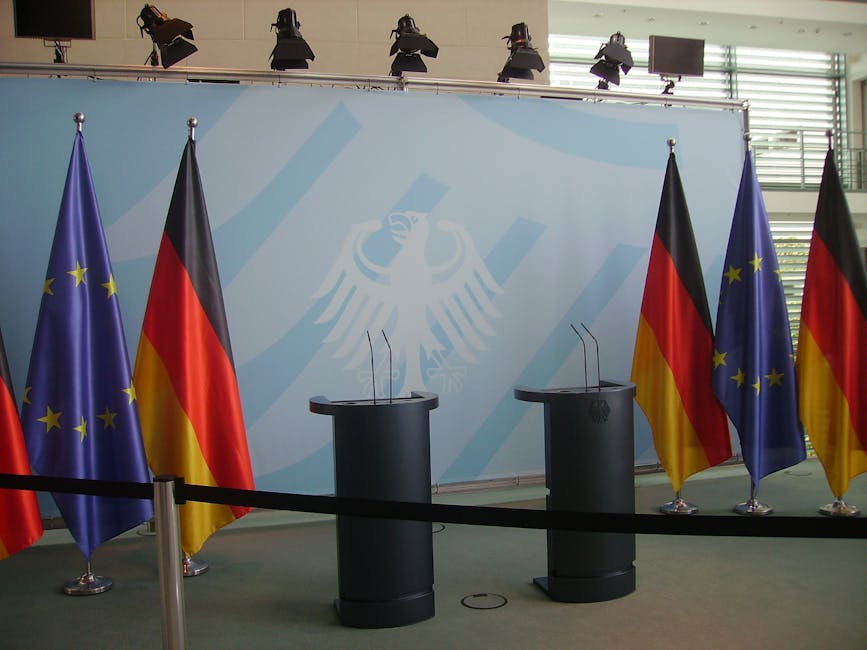
Germany's commitment to unraveling the recent sabotage attempt on Berlin's power grid has intensified following a public announcement by the Interior Ministry regarding a substantial reward. A bounty of up to €1 million has sparked a significant increase in tip-offs from the public, providing new leads for law enforcement agencies working tirelessly to secure the nation's critical infrastructure. The heightened vigilance underscores the broader geopolitical challenges facing Germany's economy in a world rife with uncertainties.
Reward Spurs Public Engagement
The staggering reward offered reflects the seriousness of the situation. A police spokesperson remarked that the volume of tip-offs has surged dramatically after the reward was publicized. It echoes the authorities' determination to prevent any disruption that could destabilize Berlin's power supply. Given the strategic importance of power grids, such sabotages pose not only an economic risk but a significant threat to national security.
Economic Challenges Compounded
Amidst these developments, Germany faces a myriad of economic hurdles. Experts have pointed out that ongoing global crises—namely the COVID-19 pandemic, the war in Ukraine, and various trade-related challenges—are collectively costing the German economy approximately €1 billion. The confluence of these factors is straining Germany's manufacturing prowess and its trade dependencies, particularly within the European Union.
Global Disruptions and Local Impact
The interplay of these geopolitical events emphasizes the interconnectedness of modern economies. The supply chain interruptions, partially fueled by the pandemic's protracted impacts, have caused significant price volatility in Germany's industrial sector. Furthermore, the war in Ukraine has cast a long shadow over energy supply chains, affecting raw materials and fuel prices, and placing further stress on the energy-dependent German industries.
Moreover, Germany's reliance on international trade, particularly for exports, makes it susceptible to global market fluctuations. Trade tensions and protective tariffs are reshaping the landscape, causing shifts that domestic policies must adeptly navigate to maintain economic stability.
Future Implications and Strategies
In response to these challenges, Germany is likely to increase its investment in securing critical infrastructure, both through physical means and cybersecurity measures. As a leading force in the EU, Germany’s approach to handling these destabilizing factors will serve as a blueprint for neighboring countries. Aligning national policies with broader EU strategies to tackle these issues is crucial.
Ultimately, the wave of public involvement due to the reward initiative in Berlin serves as a pivotal moment, highlighting the essential role of civic engagement in national security. Combined with informed governmental strategies, Germany aims to weather the complex geopolitical storms, ensuring resilience and stability in its pursuit of economic recovery and growth.