Russia Faces Dismal Victory Day Amid Economic Woes and Tensions
Amidst economic challenges and security concerns, many Russians find little cause for celebration on their biggest national day.
Middle East & Diplomacy Specialist
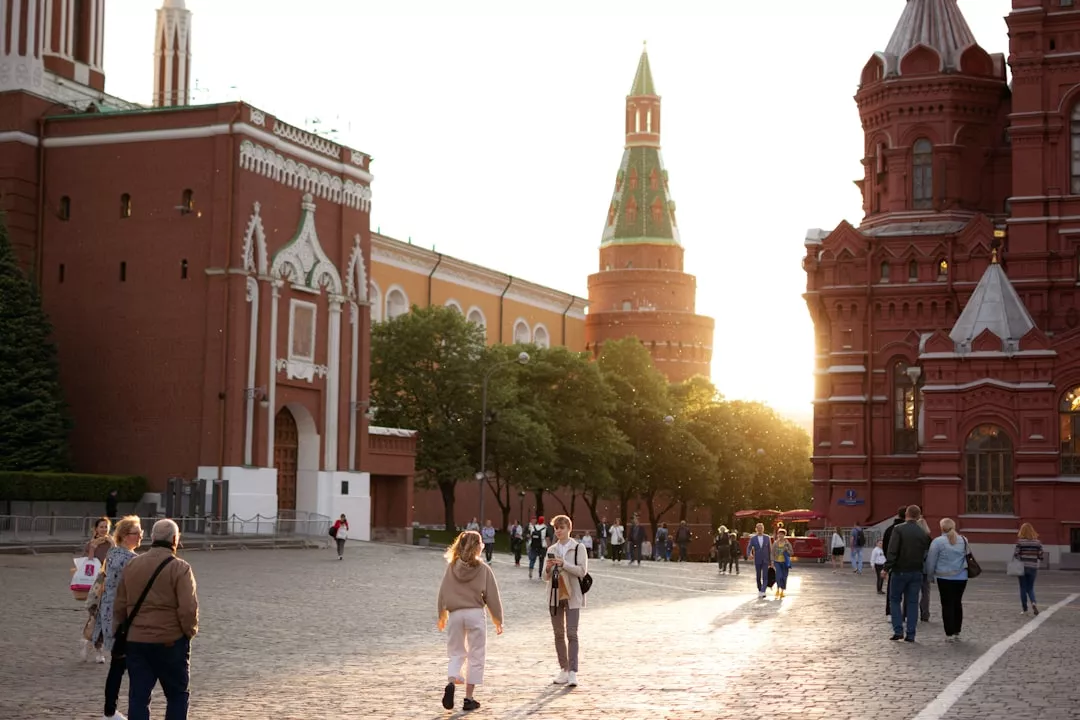
Victory Day, celebrated annually on May 9th, marks a solemn yet proud commemoration for Russia, honoring the Soviet Union's triumph over Nazi Germany in World War II. Traditionally characterized by military parades, patriotic displays, and a sense of national pride, this year’s commemoration unfolds under the shadows of deepening economic troubles and security fears.
Troubled Economic Landscape
As Russia prepares for its grandest national celebration, its economy is reeling under unprecedented stress. Years of Western sanctions, coupled with the economic ramifications of the ongoing conflict with Ukraine, have left the nation grappling with stunted growth prospects and rising inflation. The International Monetary Fund forecasts grim outlooks, predicting stagnant growth that further exacerbates public discontent.
Key industries, particularly hydrocarbons—the linchpin of Russia's fiscal health—have faced stringent sanctions, shrinking their traditional European markets. Domestic industries are failing to compensate for these losses, leaving a significant gap in national revenues.
Internet Restrictions and Internal Censorship
In addition to economic difficulties, the Kremlin has been expanding its grip over digital communications. Recent legislation has increased internet censorship, ostensibly to secure domestic stability and stave off foreign influence. However, these measures have stirred unease among ordinary Russians, leading to claims of infringement on personal freedoms and stifling free exchange of ideas.
Fear of Escalation in Ukrainian Conflict
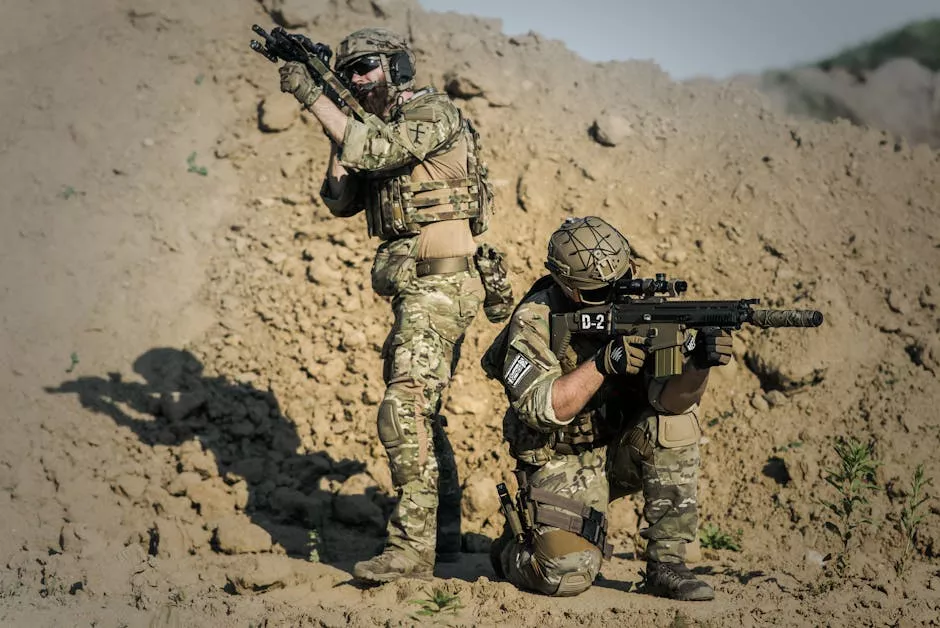
The ongoing conflict with Ukraine looms large over this year’s festivities. The Kremlin is on high alert for potential attacks, which raises further concerns about security amidst the celebration. The war has severely impacted Ukraine but has also jeopardized regional stability, drawing in international actors to mediate, while causing ripples across European geopolitics.
Victory Day, therefore, arrives not with the triumph of past years, but with an air of caution and introspection. As tensions between the Kremlin and Kyiv persist, conversations about peace and future stability remain fraught with uncertainty.
Historical Context and Significance
Since its inception in 1945, Victory Day has not just been a day of remembrance, but also a cornerstone of Russian national identity. It manifests the resilience of a nation that rose from the devastation of war. The day serves as a potent tool for political unity, rallying citizens around shared history and values, which is perhaps more crucial at a time of socio-political fractures.
Regional Perspectives and Global Implications
The international community closely watches how Russia navigates its current challenges. Europe's dependency on Russian energy has significantly decreased, signaling a shift in economic alliances that could redefine regional power dynamics. As Russia’s aggressive postures fuel tensions with NATO, every geopolitical move gets scrutinized to avert escalation.
Moreover, domestic discontent and public protests against increasing authoritarian policies signal possible internal destabilization, potentially inviting international actors to advocate for wider sanctions or diplomatic isolation.
Why It Matters
Why does this matter on the global stage? Russia’s current predicament symbolizes a broader struggle between entrenched autocratic practices and emerging pressures for reform driven by economic and social necessities. The effectiveness of international sanctions gets tested, as global powers seek to deter aggression without pushing the nation into further isolation—a balancing act of diplomacy and deterrence. Watching how Russia performs under these pressures could offer significant insights into international diplomatic strategies and emerging alliances. For readers, observing these developments is crucial, as any shift in Russia’s internal or external policies could markedly alter the current geopolitical landscape.