Gaza Faces New Humanitarian Crisis Amid Israel-Iran Conflict
Israel's closure of Gaza crossings amid its conflict with Iran risks a severe hunger crisis for 2 million residents.
Senior Geopolitical Analyst

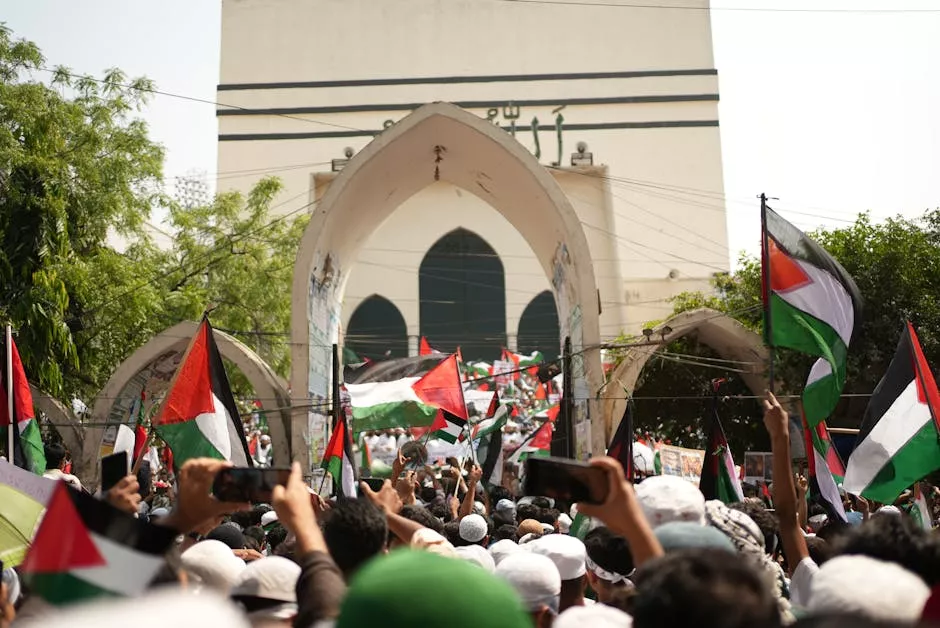
The escalating tensions between Israel and Iran have now spilled over into the already volatile Gaza Strip, with significant humanitarian repercussions. As Israel officially closes all crossings into Gaza, the measure has thrown into disarray the lives of nearly 2 million Palestinians living in an area dependent on external resources.
Historical Context
Gaza's complex geopolitical situation stems from decades of conflict and territorial disputes. It has been under blockade by Israel since 2007, following Hamas' takeover of the Strip. The blockade, though periodically eased, has severely restricted the flow of goods, services, and people, leading to a protracted humanitarian crisis. The recent escalation linked to the Israel-Iran conflict has renewed these tensions, placing Gaza once again at the brink of disaster.
Current Humanitarian Situation
The closure of crossings has had immediate and severe implications for Gaza's residents, whose survival largely depends on food and supplies from external sources. With Israel and Egypt controlling the Strip's perimeters, any closure translates directly into a shortage of essential goods.
Food Shortages and Economic Impact
Local markets in Gaza are experiencing sharp rises in food prices, exacerbating the economic strife faced by its population. The blockade has triggered a supply shock that could swiftly deteriorate into a widespread hunger crisis as stockpiles of food dwindle. Beyond food, medical supplies and essential goods are also running critically low, threatening to overwhelm Gaza's already strained healthcare system.
Regional Reactions
The international community has reacted with concern. Many countries and humanitarian organizations have called for the opening of humanitarian corridors to prevent an all-out crisis. However, Israel maintains that it must prioritize its national security, especially amid the heightened tension with Iran.
Geopolitical Implications
The blockade and ensuing humanitarian crisis in Gaza represent not just a local tragedy but a possible flashpoint in the larger geopolitical chessboard of Middle East politics. The situation may compound already strained relations between Iran and its regional rivals, including Saudi Arabia and Gulf states, who view Iran's influence as a destabilizing force.
Broader Security Dilemmas
This conflict environment raises broader questions about security and stability in the Middle East. Further escalations could potentially draw in regional and global powers, complicating diplomacy and peace efforts further.
Why It Matters
The reinstitution of a stringent blockade in Gaza amid the Israel-Iran conflict underscores the volatile and interconnected nature of Middle Eastern geopolitics. This situation is significant as it represents a potential humanitarian catastrophe and poses challenges to international diplomatic efforts in the region. The implications of this blockade extend beyond immediate humanitarian concerns to test the resilience of regional mechanisms for conflict resolution. Observers need to monitor diplomatic engagements closely, particularly any mediated talks involving key regional players, which could offer a pathway to de-escalation.