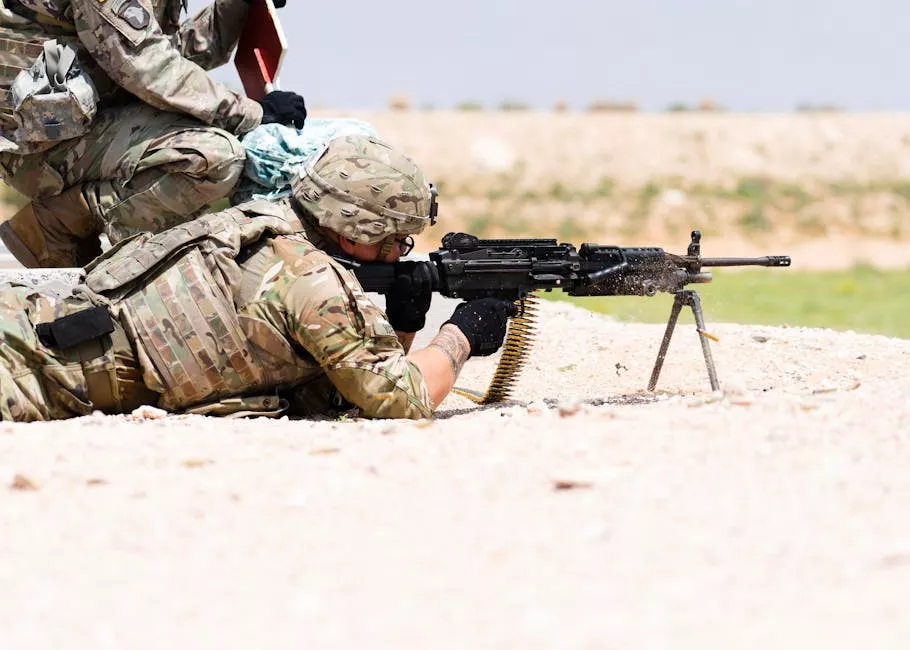
Inside the Gaza Ceasefire Command: Multinational Hub Monitors Peace
BBC gains exclusive access to the Civil-Military Coordination Centre where soldiers from over 20 nations work alongside diplomats to oversee Gaza ceasefire operations.
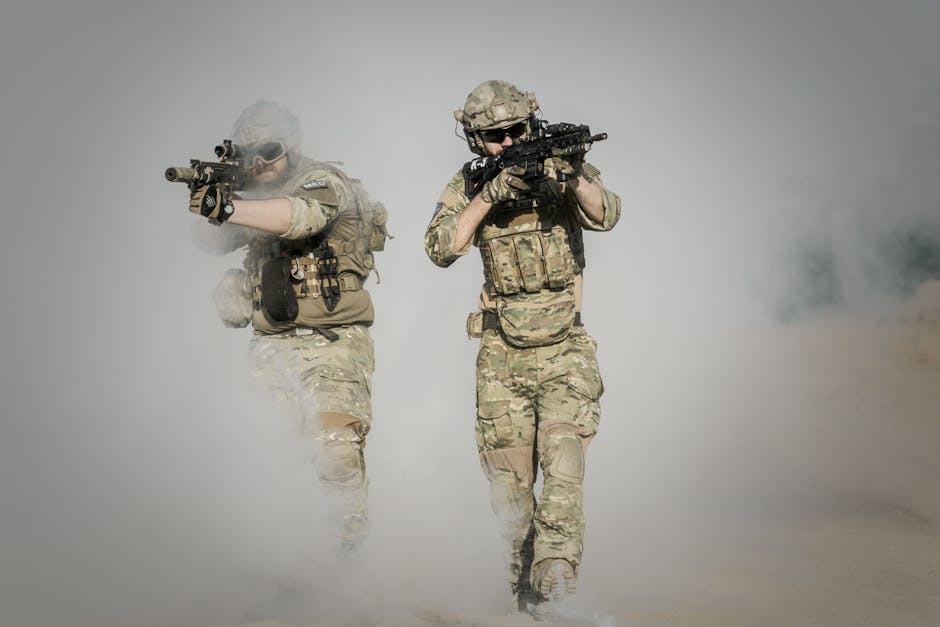
In an unprecedented display of international cooperation, the Civil-Military Coordination Centre (CMCC) in Israel has emerged as the nerve center for monitoring the fragile Gaza ceasefire, bringing together military personnel from more than 20 countries alongside diplomats and humanitarian aid workers in a complex peacekeeping operation.
A Multinational Command Structure
The CMCC represents one of the most diverse international military collaborations in recent Middle Eastern history. Personnel from NATO allies, Arab nations, and other regional partners work side-by-side in rotating shifts, monitoring ceasefire violations, coordinating humanitarian corridors, and facilitating communication between conflicting parties. This unprecedented cooperation demonstrates the global community's investment in maintaining stability in one of the world's most volatile regions.
The facility operates 24/7, with real-time intelligence feeds from satellite surveillance, drone reconnaissance, and ground-based monitoring systems. Military officers from countries including the United States, United Kingdom, France, Germany, and several Arab League nations share responsibilities for different sectors of the Gaza Strip, creating a comprehensive oversight network that aims to prevent any escalation of hostilities.
Diplomatic and Humanitarian Coordination
Beyond military oversight, the CMCC serves as a crucial hub for diplomatic engagement and humanitarian aid distribution. International diplomats stationed at the center maintain direct communication channels with both Israeli and Palestinian authorities, enabling rapid response to potential ceasefire violations or humanitarian crises. This diplomatic presence ensures that military monitoring is complemented by ongoing political dialogue aimed at sustaining long-term peace.
Aid workers coordinate the delivery of essential supplies through the center, managing the complex logistics of providing food, medical supplies, and construction materials to Gaza's population while maintaining security protocols. The coordination prevents the weaponization of humanitarian aid and ensures that assistance reaches civilian populations without compromising the ceasefire agreement.
Geopolitical Implications
The establishment of this multinational monitoring center signals a significant shift in international approaches to Middle Eastern conflict resolution. Unlike previous unilateral or bilateral peacekeeping efforts, the CMCC model demonstrates how global powers can collaborate effectively despite their broader geopolitical differences. The participation of both Western and Middle Eastern nations in the same operational framework suggests a new paradigm for regional stability mechanisms.
However, the success of this initiative faces considerable challenges. The complex web of regional alliances, ongoing political tensions, and the inherent fragility of ceasefire agreements in the Gaza context create an environment where international cooperation must constantly adapt to evolving circumstances. The center's effectiveness will ultimately be measured not just by its ability to monitor compliance, but by its capacity to facilitate the political dialogue necessary for lasting peace in the region.